


Accumulateur Lithium Ion: The Powerhouse Behind Modern Energy Independence
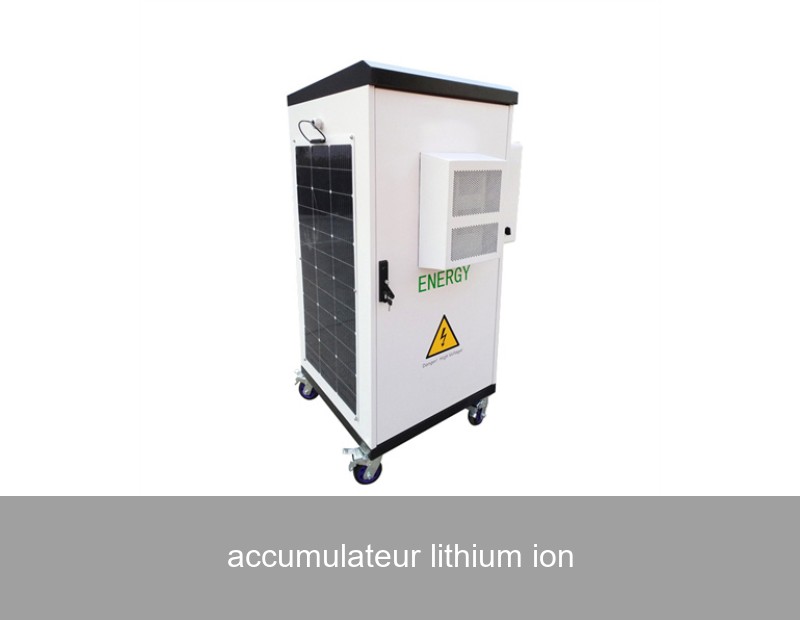
You've likely heard the term "accumulateur lithium ion" or lithium-ion battery, buzzing around conversations about everything from electric cars to home solar systems. But what exactly makes this technology the undisputed champion of our energy transition, especially for homes and businesses seeking resilience and sustainability? The phenomenon is clear: we're moving away from a centralized grid towards a more distributed, intelligent energy model. And at the heart of this shift lies a sophisticated piece of chemistry and engineering. Let's explore how this technology works, why its data is so compelling, and how it's empowering real energy independence across Europe and the US.
Table of Contents
What is a Lithium-Ion Accumulator? Beyond the Basics
Think of a lithium-ion battery not as a simple container of power, but as a highly efficient, reversible electrochemical system. The term "accumulateur" is key—it's a device that accumulates and stores electrical energy for later use. In simple terms, during charging, lithium ions move from the positive electrode (cathode) through an electrolyte to the negative electrode (anode), where they are stored. When you need power, the ions journey back, releasing energy to your home, business, or electric vehicle.
What sets modern systems apart is the integration of this core technology within a complete Battery Energy Storage System (BESS). A high-quality BESS, like those developed by Highjoule, integrates the battery cells with critical components: a sophisticated Battery Management System (BMS) for safety and longevity, bi-directional inverters, and intelligent energy software. This holistic approach ensures the accumulateur lithium ion operates safely, efficiently, and adapts dynamically to your energy consumption patterns and grid conditions.
The Core Components of a Smart Storage System
- Lithium-Ion Battery Cells: The core energy storage units, with chemistries like Lithium Iron Phosphate (LFP) gaining popularity for their safety and long life.
- Battery Management System (BMS): The "brain" that monitors voltage, temperature, and state of charge, ensuring optimal performance and preventing damage.
- Power Conversion System (PCS): Inverters and converters that manage the flow of electricity between DC battery storage and your AC home or grid.
- Energy Management System (EMS): The strategic controller that decides when to charge, discharge, or hold based on tariffs, weather forecasts, and usage habits.
Why Lithium-Ion Dominates: The Data-Driven Advantages
The shift to lithium-ion isn't accidental. It's a direct result of superior performance metrics that solve real-world energy problems. Let's break down the numbers.
| Metric | Lithium-Ion Advantage | Practical Implication |
|---|---|---|
| Energy Density | High (150-250 Wh/kg) | More energy in a smaller, lighter package, perfect for space-constrained homes or businesses. |
| Efficiency (Round-Trip) | 90-95% | Minimal energy loss; for every 10 kWh of solar energy you store, you get back over 9 kWh to use. |
| Cycle Life | 6,000+ cycles (for quality LFP) | Long operational life, often guaranteeing 10+ years of daily use, maximizing return on investment. |
| Depth of Discharge (DoD) | Up to 90-100% | You can use almost the full rated capacity without significantly harming the battery. |
For businesses and homeowners, this translates to tangible benefits: reduced peak demand charges by discharging the battery during high-tariff periods, enhanced self-consumption of solar power by storing excess daytime production for night use, and reliable backup power during grid outages. Highjoule's systems are engineered to leverage these advantages fully. Our IntelliBESS platform uses advanced algorithms to automatically optimize these value streams, ensuring our clients' accumulateur lithium ion installations are not just cost centers, but revenue-generating or cost-saving assets.

Image Source: Unsplash (Representative image of a modern home energy storage system)
From Theory to Reality: A European Case Study in Action
Data sheets are one thing, but real-world performance is what truly matters. Consider the case of a mid-sized dairy processing plant in Bavaria, Germany. The facility faced two major challenges: volatile energy prices and a strict corporate mandate to reduce its carbon footprint.
The Problem: High, unpredictable electricity costs, especially during peak operational hours (6 AM - 10 AM), and a desire to utilize their existing rooftop solar PV more effectively.
The Highjoule Solution: A tailored 500 kWh IntelliBESS Commercial system utilizing lithium iron phosphate (LFP) chemistry was installed. The system was integrated with their solar array and configured for peak shaving and solar self-consumption optimization.
- Peak Demand Charge Reduction: 40% average reduction, saving over €18,000 annually.
- Solar Self-Consumption: Increased from 35% to 78%, drastically reducing grid imports.
- ROI Period: Projected payback period of just under 5 years, factoring in local incentive programs.
- Resilience: The system provides critical backup for refrigeration units, preventing spoilage during brief grid disturbances.
This case exemplifies how a well-engineered accumulateur lithium ion system moves beyond simple backup. It becomes an active financial management tool for energy. Highjoule's role extended beyond supply; it included system design, grid interconnection support, and ongoing performance monitoring via our cloud-based portal.
Choosing the Right System: More Than Just a Battery
Not all lithium-ion storage solutions are created equal. When evaluating a system, it’s crucial to look at the complete package. Here’s where expertise matters.
Key Selection Criteria for Your Investment
- Chemistry: LFP is often preferred for stationary storage due to its thermal stability, long life, and cobalt-free design, aligning with ethical and safety priorities.
- Integrated Intelligence: Can the system learn and adapt? Highjoule's EMS uses weather and tariff APIs to forecast and optimize charging cycles automatically.
- Scalability: Can you start with a smaller system and expand later as your needs grow? Modular designs are essential for future-proofing.
- Safety Certifications: Look for UL 9540 (US) or IEC 62619 (EU) certifications for the entire energy storage unit, not just the cells.
- Service and Warranty: A 10-year performance warranty is standard, but ensure it includes robust local technical support.
This is precisely the philosophy behind Highjoule's product lines. Our ResiCore series for homes emphasizes safety and seamless solar integration, while our GridMax series for industrial and microgrid applications focuses on robustness and grid service capabilities. We provide not just hardware, but a long-term partnership for energy resilience.

Image Source: Unsplash (Representative image of industrial battery system monitoring)
The Future Horizon for Lithium-Ion Technology
The evolution of the accumulateur lithium ion is far from over. Research is pushing boundaries on solid-state batteries, which promise even greater energy density and safety. Furthermore, the concept of second-life batteries—repurposing EV batteries for stationary storage—is gaining traction, creating a circular economy for battery materials (U.S. Department of Energy).
Perhaps the most exciting development is the role of aggregated storage in forming Virtual Power Plants (VPPs). Highjoule is actively involved in pilot projects where networks of our distributed home and commercial systems are aggregated to provide grid stability services, like frequency regulation, to utilities. This turns individual prosumers into active participants in a cleaner, more resilient grid ecosystem (International Energy Agency).
The Interplay with Policy and Markets
Incentives like the Investment Tax Credit (ITC) in the US or various EC subsidy programs in Europe are accelerating adoption. Understanding these local landscapes is critical to maximizing your project's viability. A trusted provider like Highjoule helps navigate this complexity, ensuring compliance and optimal financial structuring.
As you contemplate your own energy journey, whether it's to shield your business from volatile prices, achieve true energy independence at home, or contribute to grid decarbonization, one question becomes central: Is your current energy setup a passive expense, or is it ready to become an intelligent, active asset for the future?
 Inquiry
 Online Chat