


Utility Scale Battery Storage Systems: The Cornerstone of a Modern, Resilient Grid
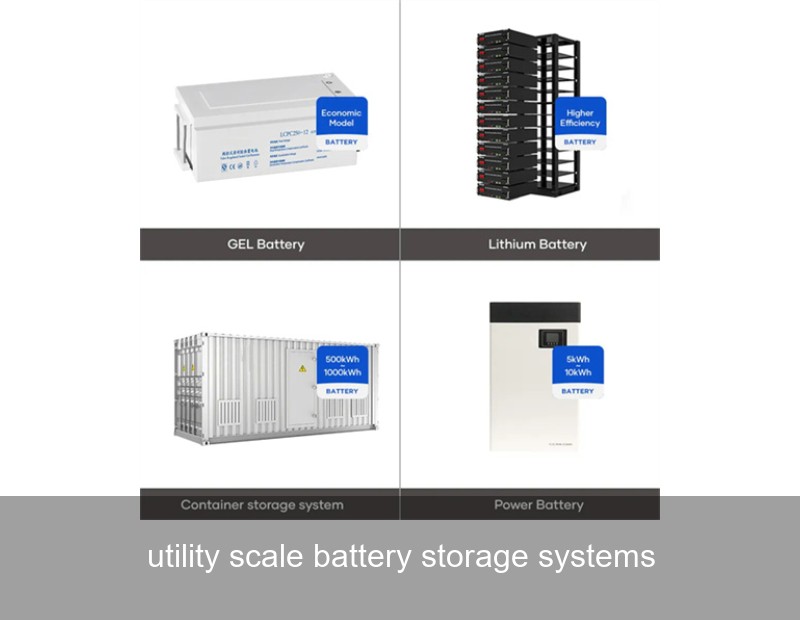
Table of Contents
You flip a switch, and the light comes on. It’s a simple expectation we all share. Yet, behind that simple act, the entire electricity grid is performing a breathtakingly complex, real-time balancing act. Now, imagine infusing that grid with a massive dose of intermittent but clean energy from the sun and wind. This is the phenomenal challenge—and opportunity—of our energy transition. The solution rapidly proving indispensable? Utility scale battery storage systems. These are not the small batteries in your home; they are grid-scale power plants that store electricity, providing the flexibility and reliability needed for a sustainable future. For over 18 years, Highjoule has been at the forefront of this revolution, engineering advanced energy storage solutions that make grids smarter, more resilient, and ready for 100% renewable integration.
The Modern Grid's Core Challenge: Intermittency Meets Inflexibility
Think of the traditional grid like a just-in-time delivery service for electricity. Power is generated the instant it’s needed, with giant fossil-fuel or nuclear plants providing a steady, predictable "baseload." The rise of renewables has beautifully disrupted this model. Solar panels produce most when the sun is high, and wind turbines spin when the wind blows—not necessarily when we need to cook dinner or run our factories.
This creates a dual problem: curtailment and the "duck curve." On incredibly sunny or windy days, we can produce too much renewable energy, forcing grid operators to turn off ("curtail") perfectly good solar or wind farms to avoid overloading the grid. Conversely, as the sun sets but demand remains high, we face a rapid ramping need for other power sources, often fossil-fueled "peaker" plants. This demand pattern, when charted, resembles a duck's belly—hence the name.

This is where utility-scale battery storage steps in as the ultimate mediator. It doesn't generate power; it time-shifts it.
What Are Utility Scale Battery Storage Systems?
At their core, these are massive installations of interconnected battery modules, paired with sophisticated power conversion and control systems. They are measured in megawatts (MW) of power capacity (how much electricity they can push out at once) and megawatt-hours (MWh) of energy capacity (how long they can sustain that output). A 100 MW / 400 MWh system can discharge 100 megawatts of power for 4 hours, enough to power tens of thousands of homes.
These systems are typically built using lithium-ion battery technology, prized for its high energy density and rapid response. A complete system involves several key components:
- Battery Racks & Modules: Thousands of individual battery cells assembled into containerized units.
- Power Conversion System (PCS): The "brain" of the operation, converting DC battery power to grid AC power and vice versa.
- Energy Management System (EMS): The intelligence that decides when to charge and discharge based on grid signals, market prices, or operational needs.
- Thermal Management & Safety Systems: Critical for maintaining optimal temperature and ensuring safe operation.
Key Benefits: Beyond Just Backup Power
The value of utility-scale storage extends far beyond simple backup. It provides multiple, stacked services that enhance grid economics and stability.
| Grid Service | How Battery Storage Helps | Impact |
|---|---|---|
| Renewable Integration & Firming | Stores excess solar/wind energy and discharges it when generation drops, smoothing output. | Reduces curtailment, enables higher renewable penetration. |
| Frequency Regulation | Responds in milliseconds to tiny fluctuations in grid frequency (a key stability metric). | Maintains grid reliability far faster than traditional plants. |
| Peak Shaving & Capacity Deferral | Discharges during periods of highest demand (e.g., hot summer evenings). | Delays or avoids costly grid upgrades and runs of polluting peaker plants. |
| Black Start Capability | Can help restart power stations and re-energize the grid after a total blackout. | Enhances grid resilience and reduces recovery time. |
Real-World Impact: A Case Study from California
Let's move from theory to practice. California, a global leader in renewable adoption, has aggressively deployed utility-scale storage. A pivotal moment came during a September 2022 heatwave. The state's grid operator, CAISO, faced record demand as air conditioners ran full blast. Historically, this would have triggered rolling blackouts.
However, California's fleet of grid-scale batteries—which had grown from negligible to over 3,500 MW in just a few years—played a starring role. On the evening of September 6th, 2022, batteries discharged a record 3,360 MW to the grid, powering approximately 2.6 million homes and crucially filling the gap left by the setting sun. This single event demonstrated that storage is no longer a pilot technology; it is a critical, dispatchable resource keeping the lights on. You can read more about this milestone in the California Energy Commission's report.

Highjoule's Role in Powering the Transition
At Highjoule, we don't just watch this transformation—we build its foundation. Our expertise, honed since 2005, is in delivering intelligent, efficient, and sustainable utility-scale battery storage solutions. We understand that every grid and application is unique. That's why our approach is holistic.
For utility and large-scale commercial projects, our H-Series Megapack solutions are engineered for maximum reliability and lifetime value. These containerized, plug-and-play units feature our proprietary Adaptive Cell Management (ACM) technology, which extends battery life by actively balancing thermal and electrical loads across individual cells. Paired with our GridSync™ EMS platform, operators can seamlessly optimize for revenue across multiple value streams—from frequency regulation markets to solar shifting—all through an intuitive interface.
Our services extend beyond hardware. We offer full lifecycle support: from initial feasibility studies and system design to grid integration support, long-term performance monitoring, and end-of-life recycling partnerships. We believe a successful project is one that delivers promised returns for decades.

The Future Outlook and Challenges
The trajectory is clear. The U.S. Energy Information Administration (EIA) projects that the U.S. will add over 30 gigawatts of utility-scale battery storage capacity between 2024 and 2028. Europe is following a similar path, driven by both climate targets and energy security concerns. However, challenges remain, including supply chain dynamics, evolving regulatory frameworks, and the ongoing need for technological improvements in areas like safety and sustainability.
The next frontier is moving beyond 4-hour storage to long-duration storage (LDES) technologies that can provide power for days or even weeks, truly enabling seasonal balancing. Highjoule is actively involved in R&D partnerships to explore these next-generation solutions, ensuring we continue to meet the grid's evolving needs.
A Question for Our Energy Future
As we look at the rapid pace of change, one thing is certain: the grid of the 21st century will be defined by its flexibility. Utility-scale battery storage is the key enabler of that flexibility today. But the conversation doesn't end here. What specific grid challenge is your community or business facing—is it peak demand charges, renewable integration, or simply seeking greater energy independence? We invite you to explore how a tailored storage solution could be the answer. What would you power with a more resilient and intelligent energy system?
 Inquiry
 Online Chat