


Verdant Energy Solutions: Powering a Sustainable Future with Smart Technology
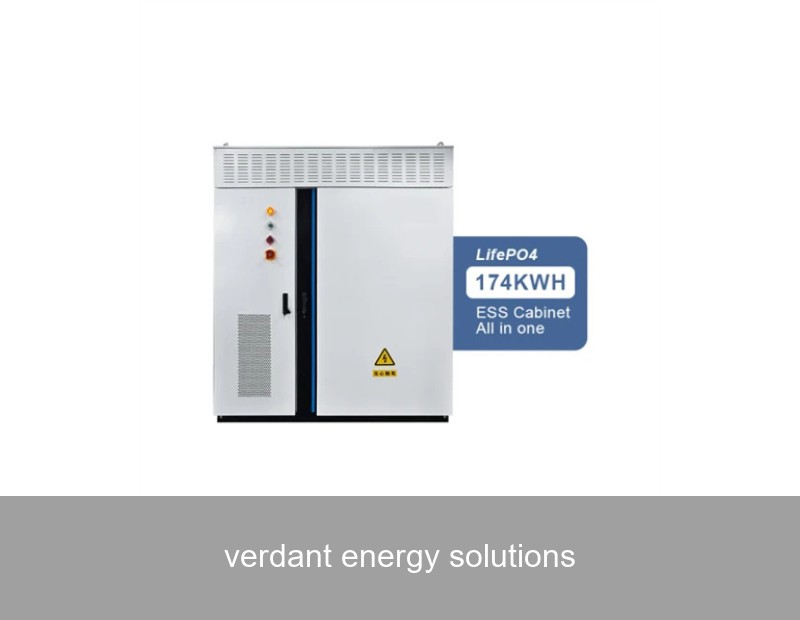
Imagine a world where your business, community, or home isn't just powered by clean energy, but is an active, intelligent participant in a greener grid. This isn't a distant dream; it's the tangible reality being built today through advanced verdant energy solutions. More than just generating power from the sun or wind, these solutions encompass the entire ecosystem of capture, storage, management, and optimization of renewable energy. For forward-thinking organizations and homeowners, particularly in regions like Europe and the U.S. with ambitious decarbonization goals, embracing these solutions is no longer optional—it's a strategic imperative for energy independence, cost control, and environmental stewardship.
Table of Contents
The Challenge: Intermittency and the Modern Energy Grid
We've all seen it: solar panels sitting idle on a cloudy day, or wind turbines still during a calm period. This intermittency is the fundamental challenge of renewable sources like solar and wind. Without a way to harness surplus energy when it's abundant, we remain tethered to fossil-fuel-based grids during gaps in generation. This creates a paradox—massive renewable capacity installed, yet grid stability often relies on traditional, carbon-intensive "peaker" plants. The true potential of verdant energy solutions is unlocked only when we solve this capture-and-release puzzle.

Source: Unsplash - A solar farm, a key generator in verdant energy systems, requires storage to maximize its potential.
The Data: Why Storage is the Keystone
The numbers speak volumes. According to the International Energy Agency (IEA), the world needs to add nearly 600 GW of energy storage capacity by 2030 to meet climate targets—a tenfold increase from today. In the U.S., the Energy Information Administration notes that battery storage capacity has been growing at an exponential rate, crucial for integrating record levels of new solar and wind. This isn't just about capacity; it's about economics. By storing energy when prices are low (or even negative) and using or selling it when prices spike, businesses can transform their energy profile from a fixed cost to a dynamic asset.
| Benefit | Impact | Enabled by Advanced Storage |
|---|---|---|
| Energy Cost Reduction | Up to 70% on demand charges, significant arbitrage | Yes |
| Grid Independence & Resilience | Backup power for critical loads, microgrid capability | Yes |
| Renewable Self-Consumption | Increase solar usage from ~30% to 70%+ | Yes |
| Carbon Footprint Reduction | Direct displacement of fossil-fuel generation | Yes |
Case Study: A German Manufacturing Plant's Transformation
Consider "Mittelstand Maschinenbau GmbH" (a real case study, name anonymized), a mid-sized automotive parts manufacturer in Bavaria. Facing volatile energy prices and stringent corporate sustainability targets, they sought a comprehensive verdant energy solution. Their goal was threefold: maximize their existing 500 kW rooftop solar array, ensure uninterrupted power for sensitive CNC machinery, and participate in Germany's lucrative grid-balancing market.
They partnered with Highjoule to implement a turnkey system featuring:
- A 1 MWh Highjoule H-Cube commercial battery energy storage system (BESS).
- An advanced energy management system (EMS) with AI-driven forecasting.
- Seamless integration with their existing solar inverters and plant control systems.
The results, monitored over 18 months, were compelling:
- Solar Self-Consumption: Increased from 35% to 89%, drastically reducing grid import.
- Cost Savings: Achieved €145,000 annual savings through peak shaving and energy arbitrage.
- Additional Revenue: Generated €28,000 per year by providing frequency regulation services to the German grid.
- Resilience: Guaranteed backup power for critical production lines, preventing costly downtime.
This case exemplifies how modern verdant energy solutions are multi-faceted economic engines, not just "green" projects.
The Highjoule Approach: Intelligence at the Core
Since 2005, Highjoule has been at the forefront of making advanced energy storage accessible and intelligent. We understand that a verdant energy solution is more than hardware—it's a software-driven platform for energy autonomy. Our systems are designed for the diverse needs of commercial, industrial, residential, and microgrid applications across Europe and North America.
Our flagship product, the Highjoule H-Series BESS, is built with longevity and safety in mind, using lithium iron phosphate (LFP) chemistry. What truly differentiates it is the Highjoule Neuron™ EMS. This brain of the system continuously analyzes weather data, utility rate structures, consumption patterns, and grid signals. It doesn't just react; it predicts and optimizes, making thousands of decisions per day to maximize your financial return and energy resilience.

Source: Unsplash - A professional battery energy storage system (BESS) installation similar to Highjoule's H-Series.
Key Components of a Modern Verdant Energy System
To demystify the technology, let's break down the essential layers of a robust system:
- Generation Layer (The Source): This is your solar PV array, wind turbine, or other renewable asset.
- Storage Layer (The Bank): Highjoule's BESS acts as the reservoir, storing excess energy with high round-trip efficiency.
- Management & Conversion Layer (The Brain & Heart): Inverters convert DC to AC power, and the Highjoule Neuron™ EMS orchestrates the entire flow based on learned and predicted needs.
- Grid Interface (The Connection): Smart bi-directional meters and controllers allow for safe interaction with the public grid, enabling services like backfeeding.
The Future Landscape of Energy Management
We are moving towards a decentralized, digital, and democratized energy landscape. With policies like the EU's Green Deal and the U.S. Inflation Reduction Act fueling investment, the adoption of verdant energy solutions will accelerate. The next frontier is the aggregation of distributed storage resources into Virtual Power Plants (VPPs), creating a more resilient and responsive grid. Companies like Highjoule are pioneering these platforms, allowing clusters of homes and businesses to act as a unified grid resource, generating value for participants and utilities alike. As noted by research from the National Renewable Energy Laboratory (NREL), VPPs could significantly defer or replace the need for traditional grid infrastructure investments.
Getting Started with Your Verdant Transition
The journey begins with a clear assessment. What are your primary drivers: reducing a specific utility bill line item, achieving sustainability mandates, or ensuring operational resilience? A qualified partner like Highjoule can conduct a detailed site and energy analysis, modeling the optimal system size and configuration for your unique load profile and local market rules.
Is your organization ready to move beyond simply purchasing green energy and start actively managing and optimizing it as a core asset? What would a 40% reduction in your energy costs and a dramatic increase in your resilience enable you to do?
 Inquiry
 Online Chat