


How Leading Wind Energy Companies in Germany Are Tackling the Intermittency Challenge
Germany's Energiewende (energy transition) is a global spectacle. Drive through the northern plains or the coastal regions, and you'll witness its most visible symbol: towering wind turbines, steadily converting breeze into power. Wind energy companies in Germany have been instrumental in pushing the renewable share of gross electricity consumption to over 50%. But as any energy expert will tell you, this remarkable success has unveiled the next critical hurdle: what happens when the wind doesn't blow? The intermittent nature of wind power creates a pressing need for intelligent solutions to store excess energy and release it on demand. This is where the future of a stable, renewable grid is being written, not just with turbines, but with advanced battery storage systems.
Table of Contents
The Grid Pressure: More Wind, More Volatility
Germany's wind sector, comprising giants like RWE, Orsted, and Enercon alongside numerous independent producers, has achieved staggering scale. In 2023, wind power was the leading source of electricity in Germany, contributing over 139 TWh. However, this success manifests as a double-edged sword for grid operators. Days of stormy winds lead to massive generation surges, sometimes exceeding regional demand and threatening grid stability. Conversely, during periods of calm (known as "dunkelflaute"), the power output can drop precipitously.
This isn't just a theoretical concern. Grid intervention costs, paid to curtail (switch off) renewable plants to prevent overload, remain significant. Effectively, this means paying wind energy companies in Germany to *not* produce clean energy—a paradox that highlights the system's current limitations. The traditional approach of relying on fossil-fueled "peaker plants" to fill the gaps is antithetical to decarbonization goals. The logical and necessary step is to decouple generation from consumption through storage.
Beyond Backup: The Multifaceted Role of Modern BESS
When most people think of batteries, they think of simple backup power. For utility-scale and commercial applications, modern Battery Energy Storage Systems (BESS) are far more sophisticated. They are dynamic grid assets that provide multiple, revenue-generating services simultaneously:
- Energy Time-Shifting (Arbitrage): Storing cheap, abundant wind power during low-demand/high-wind periods and discharging it during expensive peak hours.
- Frequency Regulation (FCR): Providing instantaneous, automated responses to minor fluctuations in grid frequency—a service critical for stability and highly valued by transmission system operators like TenneT or 50Hertz.
- Wind Farm Output Smoothing: Mitigating the ramping up and down of turbine output, which reduces wear on grid infrastructure and allows for more predictable power delivery.
- Capacity Firming: Enabling a wind farm to bid a guaranteed amount of power into the market, enhancing its commercial reliability.
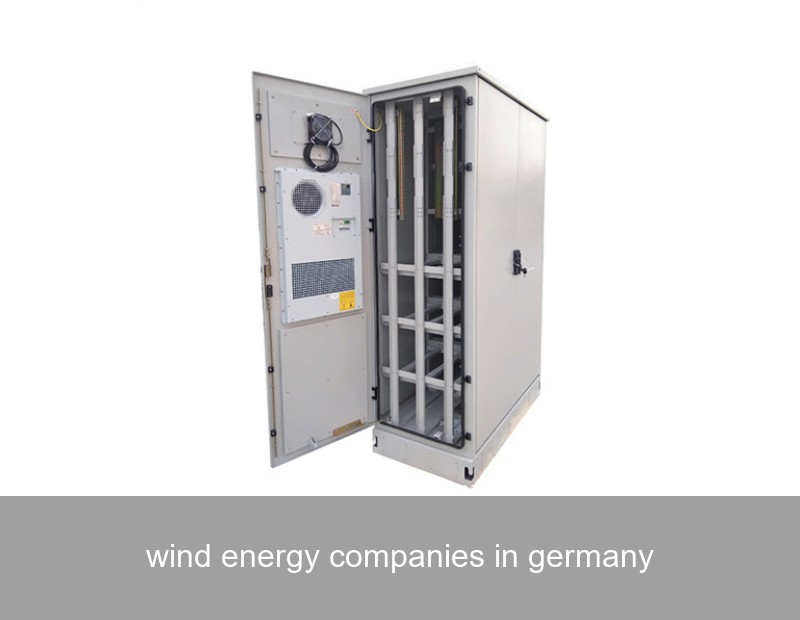
Deploying a BESS is not just about buying batteries. It's about integrating power conversion, sophisticated control software, thermal management, and safety systems into a reliable, bankable asset. This requires deep expertise in both power electronics and energy market dynamics.
Case Study: Stabilizing the Northern Grid in Schleswig-Holstein
Let's look at a real-world example. A mid-sized wind farm operator in Schleswig-Holstein, a region with wind penetration exceeding 160% of local demand at times, faced frequent curtailment and volatile market prices. Their goal was to reduce revenue loss and contribute to local grid stability.
The Solution: They deployed a 12 MW / 24 MWh containerized BESS at the grid connection point of their wind farm cluster. The system was designed for dual-purpose operation: primary frequency regulation and energy arbitrage.
The Data-Driven Outcome (First 12 Months):
| Metric | Result | Impact |
|---|---|---|
| Curtailment Reduction | ~18% | More wind energy utilized |
| Revenue from Frequency Control | €420,000 | New, stable income stream |
| Arbitrage Revenue | €310,000 | Optimized market participation |
| Grid Service Availability | 99.2% | Proven high reliability |
This project exemplifies how strategic storage turns a grid challenge into a commercial and technical advantage. The BESS acts as a "shock absorber," allowing the wind energy company in Germany to be a more predictable and valuable partner to the grid.
Image: Wind farms require intelligent grid connections and storage to maximize their potential. Source: Unsplash

Highjoule's Role: Intelligent Storage for Wind Integration
For nearly two decades, Highjoule has been at the forefront of solving complex energy resilience challenges. Our work with renewable developers, including wind energy companies in Germany and across Europe, focuses on transforming intermittency into opportunity. We understand that every wind project has unique constraints and market access.
Our HI-Series Commercial & Industrial (C&I) and Utility-Scale BESS are engineered for high-cycle, high-availability performance. They feature:
- Adaptive Cell Chemistry: We select between LFP (Lithium Iron Phosphate) and other advanced chemistries based on the specific duty cycle (e.g., high-power frequency response vs. long-duration arbitrage), optimizing for longevity and safety.
- Grid-Forming Inverter Technology: This advanced capability allows our systems to not just follow the grid but to help stabilize it by providing inherent inertia—a crucial feature as fossil plants retire.
- AI-Powered Energy Management System (EMS): The brain of the operation. Our EMS, JouleMind AI, continuously forecasts wind output, analyzes real-time market prices across EPEX SPOT and ancillary service markets, and autonomously optimizes dispatch to maximize ROI. It makes thousands of decisions per day to stack multiple revenue streams.
For a wind farm operator, partnering with Highjoule means more than procuring hardware. It's a collaboration where our technical experts model revenue scenarios, navigate grid connection codes, and provide a fully integrated, performance-guaranteed asset. We handle the storage complexity, allowing our clients to focus on what they do best: generating clean wind energy.

Image: Advanced control systems are key to optimizing battery storage performance. Source: Unsplash
The Future of Wind-Storage Collaboration
The trajectory is clear. The next phase of Germany's Energiewende will be defined by integration and flexibility. We are moving from a paradigm of "building more" to "managing smarter." Future wind projects, especially in congested areas, will likely see storage as a required component for grid connection approval. Furthermore, hybrid "Renewable Energy Power Plants" that combine wind, solar, and storage into a single, dispatchable unit are gaining traction in policy discussions, as seen in the recent German electricity market design reforms.
This evolution presents a fundamental question for wind energy companies in Germany: Will you view storage as a cost or as the key to unlocking higher value, resilience, and growth in a constrained grid? The most forward-thinking are already choosing the latter, positioning themselves not just as generators, but as essential, flexible service providers for the future net-zero grid.
An Open Question for the Industry
As grid codes evolve and market mechanisms for flexibility become more sophisticated, how can wind operators and storage providers best collaborate to design projects that are financially robust from day one, ensuring the continued acceleration of the energy transition? We invite you to share your perspective and challenges.
 Inquiry
 Online Chat