


The Wood Inverter Battery Box Cabinet: Aesthetic and Functional Integration for Modern Energy Storage
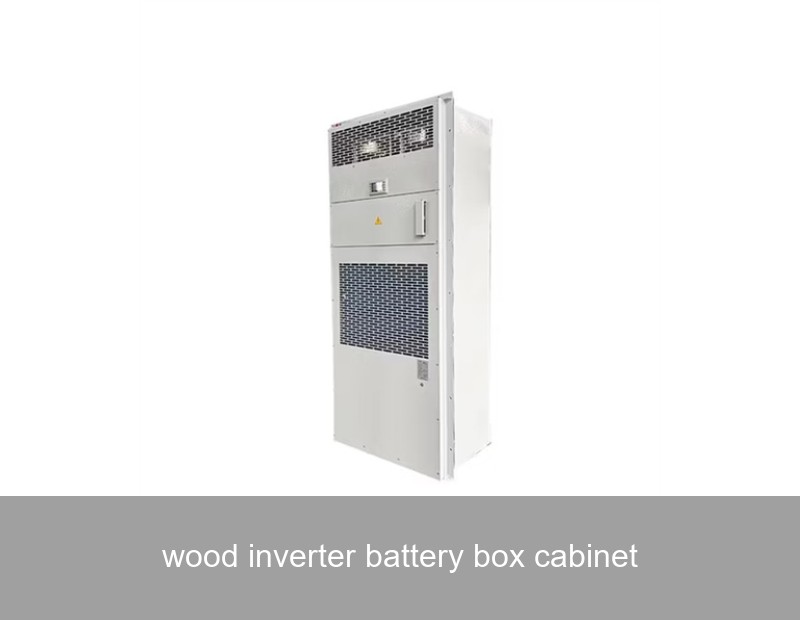
Imagine walking into your backyard and seeing a sleek, beautifully crafted wooden cabinet that blends seamlessly with your patio furniture. Now, imagine that same cabinet is the silent, powerful heart of your home's energy independence, storing solar power and managing your electricity. This is the reality of the modern wood inverter battery box cabinet—a fusion of smart technology, safety, and sophisticated design. For homeowners and businesses across Europe and the U.S., the quest for renewable energy solutions is no longer just about efficiency; it's about integration. People want systems that are powerful yet unobtrusive, high-tech yet harmonious with their living and working spaces. This is where the evolution from bulky, industrial metal boxes to elegant, wood-clad energy hubs marks a significant shift in how we live with sustainable technology.
Table of Contents
- The Rise of the Aesthetic Energy System
- More Than Just a Pretty Face: Core Functions
- Case Study: A Bavarian Farmhouse's Seamless Transition
- Choosing the Right Wood Cabinet System: A Buyer's Guide
- The Highjoule Approach: Where Engineering Meets Craftsmanship
The Rise of the Aesthetic Energy System
For years, battery energy storage systems (BESS) and their associated inverters were installed in garages or basements—out of sight, out of mind. Their design prioritized pure function: sturdy metal casings, visible cooling vents, and a utilitarian appearance. However, as solar and storage systems moved from niche to mainstream, their installation locations evolved. Today, we see them in home gyms, utility rooms, and even living areas. A 2023 report by Wood Mackenzie highlighted that consumer appeal and ease of integration are now among the top five purchasing factors for residential storage in Europe, just behind price and performance. This shift in consumer preference has driven innovation in enclosure design, leading to the development of the wood inverter battery box cabinet. It answers a simple but powerful question: Why should our clean energy technology clash with our homes when it can complement them?
More Than Just a Pretty Face: Core Functions of a Quality Cabinet
Don't be fooled by the warm, natural exterior. A high-performance wood cabinet is a meticulously engineered piece of equipment. Its primary role is to house and protect the critical—and sensitive—components of your energy storage system.
- Protection & Safety: The cabinet provides a rigid, secure structure that protects the battery modules and inverter from physical impact, dust, and unauthorized access. It is a critical component in meeting international safety standards (like UL 9540 in the U.S. and IEC 62619 in Europe) by containing the system within a defined, fire-rated enclosure.
- Thermal Management: Batteries and electronics perform best within a specific temperature range. A well-designed cabinet incorporates intelligent thermal management, such as integrated ventilation channels, passive cooling systems, or compatibility with active HVAC, all discreetly built behind the wooden facade.
- Organization & Accessibility: It neatly consolidates the battery stack, inverter, monitoring systems, and safety disconnects into one unified, easy-to-manage unit. This simplifies installation, maintenance, and service, reducing time and cost.
- Aesthetic Integration: The wooden cladding, often using durable, treated woods like cedar or high-quality laminates, transforms the unit from industrial hardware into a piece of domestic or commercial furniture.

Image Source: Unsplash - Example of aesthetic integration of functional home technology.
The Data Behind Safe and Efficient Wood Integration
A common concern is safety: "Is wood a suitable material for housing high-voltage electrical equipment?" The answer lies in modern engineering. The wood used is never in direct contact with the electrical components. It acts as an exterior cladding over a fully certified, metal inner enclosure that houses the actual battery and inverter systems. Data from fire safety tests conducted by organizations like the National Fire Protection Association (NFPA) show that system integrity depends on the internal cell design, battery management system (BMS), and the fire rating of the primary enclosure—not the decorative outer layer.
Furthermore, the market data supports this trend's viability. In Germany, a leader in residential solar, installers report a 15-20% increase in customer interest for storage solutions when aesthetic cabinet options are presented, directly translating to higher adoption rates in architecturally sensitive or design-conscious neighborhoods.
Case Study: The Bavarian Farmhouse - Blending Heritage with High-Tech
Consider the Müller family in Bavaria, Germany. They live in a traditional timber-framed farmhouse and wanted to install a solar-plus-storage system without compromising the building's historic character. The standard metal cabinet was a non-starter for their planned installation in a visible pantry area.
Solution: They opted for a customized wood inverter battery box cabinet with a larch wood finish that matched their existing interior paneling. The system housed a 15 kWh lithium iron phosphate (LFP) battery and a hybrid inverter.
Results & Data:
| Metric | Outcome |
|---|---|
| Energy Self-Consumption | Increased from 30% (solar only) to 85% (with storage) |
| Grid Independence | Provides backup power for essential loads for over 24 hours |
| Aesthetic Satisfaction | Cited as a "key factor" in their decision by the homeowners |
| System Acceptance | Local heritage council approved the installation without objection due to its design |
Choosing the Right Wood Cabinet System: A Buyer's Guide
Not all wood cabinets are created equal. When evaluating options, look beyond the veneer.
- Certification First: Ensure the core battery and inverter system has all necessary regional certifications (UL, CE, etc.). The wooden exterior is an add-on, not a substitute for safety testing.
- Material Quality: Inquire about the wood treatment. It should be resistant to moisture, warping, and pests. High-pressure laminates or thermally modified woods offer excellent durability.
- Thermal Management Design: Ask how the cabinet manages heat. Are there adequate, discreet ventilation paths? Does it require specific clearance from walls?
- Modularity & Access: Can the front panel be easily removed for service without damaging the wood? Is the design modular to allow for future battery capacity expansion?
- Customization: Can you choose the wood type, stain, or finish to match your specific interior or exterior decor?
The Highjoule Approach: Where Engineering Meets Craftsmanship
At Highjoule, we understand that true sustainability encompasses both environmental impact and human experience. Since 2005, we've been pioneering intelligent storage solutions, and our foray into aesthetic integration is a natural progression of our design philosophy. Our H-Series Harmony Cabinet is engineered for this precise market need.
It starts with our proven, UL 9540-certified LFP battery core and our high-efficiency hybrid inverter—the brains and brawn of the system. This core is housed in a robust, steel safety enclosure. Then, we apply the finish: a selection of premium, sustainably sourced wood claddings or architectural-grade laminate finishes. The result is a wood inverter battery box cabinet that doesn't ask you to compromise. You get the full performance, safety, and smart energy management (crucial for grid stability) that Highjoule is known for, in a form that respects your space.
Our systems are designed for scalability, from residential applications to commercial and microgrid projects, where visual appeal can be just as important in a corporate campus or a boutique hotel as it is in a private home.

Image Source: Unsplash - Representing the clean, integrated look of modern energy systems.
Ready to Redefine Your Space with Power?
The integration of renewable energy into our daily lives is an ongoing journey. The wood inverter battery box cabinet represents a milestone where technology gracefully steps into the foreground of our living spaces, not as an awkward necessity, but as a point of pride and intelligent design. It challenges the old paradigm that powerful things must be ugly.
What does the ideal energy storage system look like in your home or business? How would blending cutting-edge power management with your personal style change your relationship with the energy you consume?
 Inquiry
 Online Chat