


How to Connect Zonnepanelen Off-Grid: A Guide to True Energy Independence
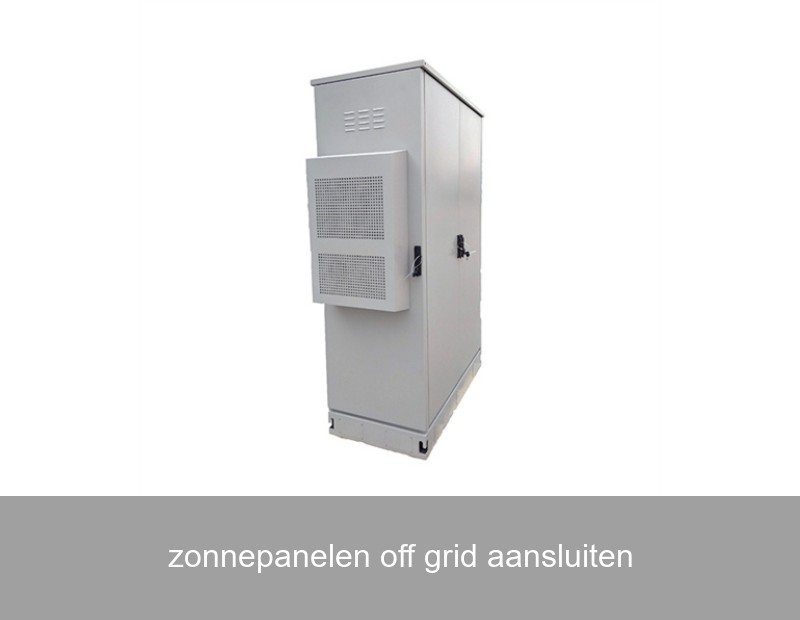
Dreaming of disconnecting from the grid? The idea of using zonnepanelen off-grid aansluiten (connecting solar panels off-grid) is more appealing than ever. It promises freedom from rising electricity prices and grid instability. But moving from a grid-tied system to a fully autonomous power setup is a significant step. This guide will walk you through the essentials, from core components to real-world performance, helping you understand what it truly takes to achieve energy independence with a reliable off-grid solar system.
Table of Contents
The Off-Grid Reality: More Than Just Panels
Many homeowners believe that going off-grid simply means adding more solar panels to their roof. This is a common misconception. A grid-tied system shuts down during a blackout for safety reasons, leaving you in the dark despite having panels. A true off-grid system operates 24/7, independent of any utility network. The real challenge isn't just generating solar power; it's storing enough of it to get you through the night and periods of bad weather, which can last for days in many European and North American climates.

Image Source: Unsplash - A fully off-grid setup requires careful planning for all weather conditions.
Core Components of an Off-Grid System
To successfully zonnepanelen off-grid aansluiten, you need a carefully balanced ecosystem of components. Each plays a critical role:
- Zonnepanelen (Solar PV Modules): Your primary energy source. Off-grid systems typically require a larger panel array than grid-tied systems to fully charge batteries.
- Off-Grid Solar Inverter/Charger: The brain of the operation. It converts DC power from the panels and batteries to AC for your home, and also intelligently manages battery charging.
- Battery Energy Storage System (BESS): The heart of your independence. This is where your surplus solar energy is stored for use when the sun isn't shining.
- Battery Management System (BMS): A critical safety and longevity component that protects the battery from overcharge, deep discharge, and overheating.
- Backup Generator (Optional but Recommended): For extended periods of low solar yield, a generator can provide assurance and keep batteries from becoming critically depleted.
Why Battery Technology is the Deciding Factor
The choice of battery technology dramatically impacts your system's cost, lifespan, and maintenance. While lead-acid batteries have a lower upfront cost, they offer a shorter lifespan (4-8 years) and require regular maintenance. Modern Lithium Iron Phosphate (LFP) batteries, like those used by Highjoule, are becoming the standard. They offer a longer lifespan (typically 10-15 years), higher depth of discharge (DoD), require zero maintenance, and are inherently safer.
Sizing Your System: Data is Key
Undersizing leads to power cuts; oversizing leads to wasted investment. Accurate sizing is a data-driven process.
| Step | Key Question | Data Needed |
|---|---|---|
| 1. Load Assessment | How much energy do you use, and when? | List all appliances, their wattage, and daily usage hours. Pay special attention to high-load items (well pumps, heating elements). |
| 2. Autonomy Days | How many cloudy days must you cover? | This depends on your location. In Southern Europe, 2-3 days may suffice. In Northern Germany or the Pacific Northwest, 5-7 days of autonomy are common. |
| 3. Solar Resource | How much sun do you get in winter? | Use tools like PVGIS from the European Commission to find monthly solar irradiation data for your exact coordinates. |
For example, a typical European household aiming for off-grid living might have a daily consumption of 10-15 kWh. To cover this for three autonomy days, you'd need a usable battery capacity of 30-45 kWh. The solar array must then be large enough to recharge this battery while also covering daily loads, even in December.
Case Study: Off-Grid Alpine Retreat, Switzerland
Let's look at a real-world example. A family renovated a traditional chalet in the Swiss Alps, 2 km from the nearest grid connection. Extending the grid was quoted at over €80,000. They opted for a custom off-grid solar system instead.
- Challenge: Provide reliable year-round power for a modern household, including a heat pump for winter heating, with heavy snow loads and low winter sun.
- Solution: A robust system featuring a 22 kWp solar array installed on a steep, south-facing slope to shed snow, coupled with a 40 kWh Highjoule LFP battery bank and a 15 kW off-grid inverter. A propane backup generator was integrated for extended winter gloom.
- Data & Outcome: In its first year, the system generated 18,500 kWh. The battery provided seamless power through the night and during storms. The generator automatically ran for only 45 hours total during the deepest winter months. The total system cost was approximately €65,000, resulting in immediate savings versus grid connection and zero ongoing electricity bills. Monitoring data showed a 99.7% energy availability over 12 months.

Image Source: Unsplash - Off-grid systems in alpine regions must be engineered for extreme conditions.
Highjoule's Integrated Off-Grid Solutions
At Highjoule, we understand that zonnepanelen off-grid aansluiten is a complex engineering task, not a simple DIY project. Since 2005, we have specialized in intelligent, integrated storage systems designed for resilience. Our off-grid solutions are built around our flagship H-Joule Core battery systems, which utilize stable LFP chemistry and feature a modular design. This allows homeowners to start with a smaller capacity and expand as needed.
Our Orion Series Off-Grid Inverter/Chargers are specifically engineered to work seamlessly with our batteries. They feature advanced grid-forming technology, which creates a stable and clean "mini-grid" for your home, capable of starting sensitive electronics and motors. Combined with our proprietary energy management software, the system learns your consumption patterns, optimizes charging cycles from solar or a backup generator, and gives you full visibility and control via a simple app. For remote locations, this reliability and monitoring peace of mind are invaluable.
Key Installation & Connection Considerations
Connecting your system correctly is paramount for safety and performance. Here are critical points often overlooked:
- Professional Design & Permits: Always work with a certified installer. Off-grid systems often still require electrical permits and must comply with local building and electrical codes (e.g., NEC in the US, NEN 1010 in the Netherlands).
- DC vs. AC Coupling: Most modern off-grid systems are "DC coupled," meaning solar panels charge the batteries directly via a charge controller, which is highly efficient. "AC coupled" systems, where solar inverters feed AC power, are also possible but can be less efficient for off-grid use.
- Wiring & Safety Disconnects: Proper cable sizing for DC circuits is critical to prevent fire hazards. Install clearly labeled disconnect switches between all major components (solar array, batteries, inverter, generator) for safe maintenance.
- Load Management: A smart load management system can prioritize essential loads (refrigeration, lighting) and shed non-essential ones (hot tub, EV charging) if battery levels get low, extending your autonomy.
Is an Off-Grid System Right for You?
Going fully off-grid is a major commitment. It's most financially and practically justified in remote locations where grid connection is prohibitively expensive. For most urban or suburban homes, a grid-tied system with battery storage (a hybrid system) offers the best of both worlds: you can use solar and storage for backup power during outages while still having the grid as a virtual battery for net metering.
However, if your goal is complete independence, or you have no other choice, modern off-grid technology is more capable and reliable than ever. The key is meticulous planning, quality components, and professional installation.
What energy security goal is driving your interest in solar power—is it total independence, or reliable backup during increasing grid instability? Share your project ideas with our team to explore which solution aligns with your vision.
 Inquiry
 Online Chat