


Unlocking Energy Independence: The Power of a 3 Phase Hybrid Battery 48V System
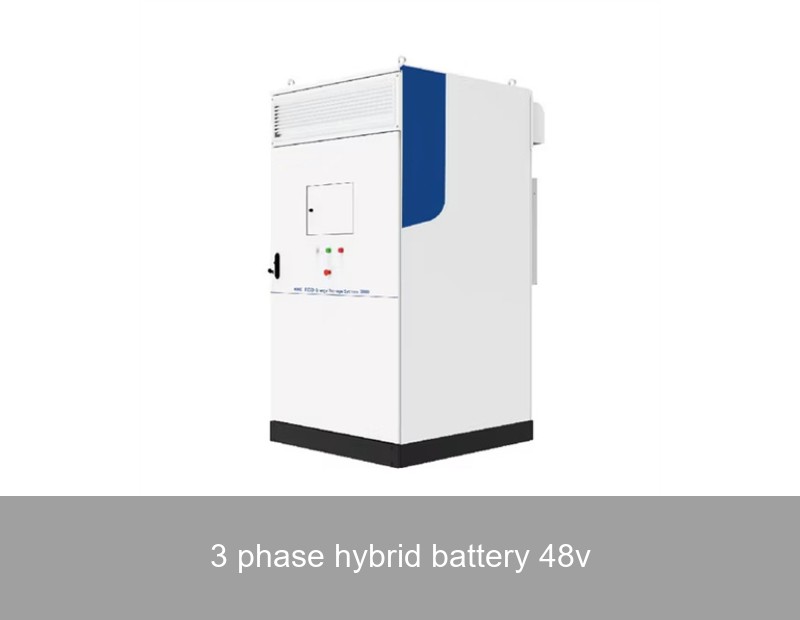
If you manage a business, factory, or a large residential property, you've likely felt the pinch of rising electricity costs and the anxiety of grid instability. The dream of energy independence is no longer just for off-grid enthusiasts; it's a strategic and financial imperative for forward-thinking operations. This is where advanced, industrial-grade energy storage comes into play. Today, we're diving deep into a solution that's becoming the backbone of modern commercial and industrial energy management: the 3 phase hybrid battery 48V system. But what exactly does that technical mouthful mean for your bottom line and operational resilience? Let's break it down.
At its core, a 3-phase hybrid system is an all-in-one energy manager. It intelligently combines solar power (or other renewables), energy storage from a battery bank, and the existing grid connection. The "3-phase" part refers to the type of electrical supply common in commercial, industrial, and larger residential settings in Europe and the US, which provides more power and stability than standard single-phase homes. The "hybrid" means it can seamlessly use and switch between all available energy sources. And the "48V battery"? That's the sweet spot for power, efficiency, and scalability. Unlike lower-voltage systems, a 48V architecture offers higher efficiency over longer cable runs, reduces electrical losses, and is inherently safer and more robust for demanding applications. It's the professional choice for those who need reliable, high-power energy solutions.
Why 48V is a Game-Changer for Commercial & Industrial Use
You might wonder, "Why not just use more residential-style 24V systems?" The answer lies in the laws of physics and economics. For larger-scale energy needs, higher voltage systems like 48V battery storage are fundamentally more efficient. Think of it like plumbing: pushing water (or electricity) through a pipe at higher pressure (voltage) allows you to move more of it with less effort (current) and less friction (heat loss).
This translates into tangible benefits for your operation:
- Lower System Costs: Higher voltage means lower current for the same power output. This allows for thinner, less expensive copper wiring and reduces the cost of balance-of-system components.
- Enhanced Efficiency: Reduced electrical losses (I²R losses) mean more of the solar energy you generate or the grid power you store actually makes it to your equipment. Over a year, this can add up to significant savings.
- Superior Scalability: A 48V battery bank is easier to scale up by adding more battery modules in series or parallel to meet growing energy demands, a common need for expanding businesses.
- Improved Safety & Longevity: Operating at a higher, regulated DC voltage like 48V is often within safer extra-low-voltage limits, and the design promotes better battery management system (BMS) performance, which is critical for the health and lifespan of lithium-ion batteries.
For companies like Highjoule, which has been engineering advanced storage solutions since 2005, the choice is clear. Our IntelliStack Commercial Series is built around a high-performance 48V lithium iron phosphate (LiFePO4) battery architecture. Designed for the rigors of daily commercial cycling, it integrates seamlessly with high-power 3-phase hybrid inverters. The system isn't just a battery; it's an intelligent node in a larger energy ecosystem, providing features like peak shaving, demand charge reduction, and backup power—all managed through our intuitive Highjoule EnergyOS platform.
Real-World Case Study: A German Bakery's Recipe for Resilience
Let's move from theory to practice. Consider the challenge faced by a mid-sized artisan bakery in Bavaria, Germany. Their pain points are familiar to many: high energy consumption from ovens and refrigeration, volatile electricity prices, and a critical need for uninterrupted power to prevent spoilage and maintain production. Their goal was to reduce grid dependency, cut costs, and ensure backup power for critical cold storage.
They installed a tailored system centered on a 3 phase hybrid battery 48v solution. The setup included a 45 kWp rooftop solar array, a 3-phase 30 kW hybrid inverter, and a 48V Highjoule IntelliStack battery bank with 40 kWh of usable storage capacity.
The results, monitored over 12 months, were compelling:
| Metric | Before Installation | After Installation |
|---|---|---|
| Grid Electricity Consumption | 100% (Baseline) | Reduced by 68% |
| Monthly Energy Cost | €2,850 (Average) | €1,050 (Average) |
| Self-Consumption of Solar | ~35% (exported surplus) | Over 92% |
| Backup Power for Cold Rooms | Dependent on Grid | 18+ hours of autonomy |
The bakery now runs its daytime operations primarily on solar, charges its batteries with the midday surplus, and then uses that stored energy to power the overnight refrigeration and early morning preparation, effectively "time-shifting" its solar energy. During a planned grid outage for local maintenance, the system automatically switched to backup power, saving thousands of euros in potential inventory loss. This case perfectly illustrates the triple win of cost savings, sustainability, and resilience that a well-designed 3-phase hybrid system delivers.

Image: Rooftop solar installations on commercial buildings are a key component of a hybrid system. (Photo by American Public Power Association on Unsplash)
Key Components of a Robust 3-Phase Hybrid System Explained
Understanding the key players in this energy orchestra will help you make informed decisions. A reliable 3 phase hybrid battery 48v setup is more than just a box of batteries.
- The 3-Phase Hybrid Inverter: This is the brain and the muscle. It converts DC from solar panels and batteries to AC for your building, and vice-versa for charging. A true hybrid model can manage all these flows simultaneously and is grid-interactive.
- The 48V Battery Bank (The Heart): Typically using LiFePO4 chemistry for safety and long cycle life. Look for a modular design, like Highjoule's IntelliStack, which allows for easy capacity expansion. A robust Battery Management System (BMS) is non-negotiable for safety, performance, and longevity.
- Energy Management System (EMS) Software: This is the strategy. Platforms like Highjoule EnergyOS analyze your consumption patterns, weather forecasts, and tariff schedules to automatically optimize when to charge, discharge, or export energy, maximizing financial return.
- Renewable Generation Source: Usually solar PV, but could also include wind. This is the primary fuel for your system, reducing your need to purchase grid electricity.
Integration is everything. A system where components are merely compatible is good, but a system like Highjoule's, where the inverter, battery, and software are designed to work together as a unified platform, delivers superior performance, simpler installation, and more reliable long-term support.
Choosing the Right Technology Partner for Your Energy Future
The market is full of options, but for mission-critical commercial and industrial applications, the stakes are high. You need a partner with proven expertise, not just a product supplier. Highjoule's approach is rooted in nearly two decades of specialization in advanced battery storage systems. We don't just sell hardware; we provide end-to-end power solutions—from initial consultancy and system design using sophisticated modeling tools, through to installation support, commissioning, and ongoing performance monitoring.
Our systems are engineered for the specific demands of European and North American grid codes and market structures, whether it's participating in demand response programs in the US or navigating the regulatory landscape for self-consumption in the EU. When you invest in a 3 phase hybrid battery 48v system, you're investing in 15-20 years of energy infrastructure. The choice of technology partner will define the reliability and profitability of that investment.

Image: A clean, professional battery energy storage system (BESS) installation in a commercial environment. (Photo by 胡 卓亨 on Unsplash)
For authoritative information on grid integration and storage benefits, you can refer to resources from the U.S. Department of Energy or the European Union's PVGIS solar tool for planning generation potential.
Given the rapid evolution of energy markets and technology, what specific operational challenge—be it unpredictable demand charges, carbon reduction targets, or pure energy security—is pushing your organization to seriously consider a comprehensive energy storage solution today?
 Inquiry
 Online Chat