


Unlocking Energy Independence: A Guide to Lithium Batteries for Inverters
the sun is shining, your solar panels are humming, but the grid goes down. Or, electricity prices are soaring during peak hours. This is where the magic duo of lithium batteries for inverters comes into play. It's the core of a modern energy storage system, transforming how homes and businesses across Europe and the US consume power. An inverter converts stored DC electricity from batteries into usable AC power for your appliances. Pair it with the right lithium battery, and you've created a personal energy reservoir—intelligent, efficient, and ready to power your life on your terms. But not all systems are created equal. Let's dive into why this technology is a game-changer and how to choose the right setup for your needs.
Why Lithium Dominates the Energy Scene
Remember the bulky, maintenance-heavy lead-acid batteries? The shift to lithium-ion (Li-ion) technology, particularly Lithium Iron Phosphate (LFP), is a leap comparable to moving from flip phones to smartphones. The phenomenon is clear: for reliable, daily cycling in solar-plus-storage or backup systems, lithium is the undisputed choice. The data backs this up. According to the U.S. Department of Energy, the cost of lithium-ion batteries has fallen by nearly 90% in the last decade, while performance and safety have dramatically improved.
So, what makes lithium batteries for inverters so superior?
- Depth of Discharge (DoD): You can safely use 90-95% of a quality LFP battery's capacity without harming it. Lead-acid often limits you to 50%, meaning you buy double the capacity to get the same usable energy.
- Lifespan & Cycle Life: A modern LFP battery can deliver 6,000+ charge/discharge cycles while retaining most of its capacity. That translates to 15+ years of daily use, far outstripping the 3-5 year typical lifespan of lead-acid.
- Efficiency & Speed: Lithium systems boast round-trip efficiency of 95-98%, meaning almost all the solar energy you put in gets back out. They also charge much faster, capturing more sunshine in a shorter window.
- Space & Maintenance: They are compact, lightweight, and truly "install and forget" with no need for watering or regular equalization charges.

Image Source: Unsplash. A modern, compact lithium battery installation for home energy storage.
Key Considerations for Your Lithium Battery & Inverter System
Choosing the right components isn't just about picking the biggest battery. It's about synergy. Think of the inverter as the brain and the battery as the heart; they must communicate flawlessly.
| Consideration | Question to Ask | Why It Matters |
|---|---|---|
| Compatibility | Is the inverter specifically designed to communicate with lithium (LFP) chemistry? | Proper communication ensures optimal charging, longevity, and safety. A mismatch can void warranties and damage equipment. |
| Power (kW) vs. Energy (kWh) | Do I need high power for heavy loads (well pumps, AC) or more energy for longer duration? | Inverter power rating (kW) determines what appliances you can run simultaneously. Battery capacity (kWh) determines how long you can run them. |
| Scalability | Can I easily add more battery capacity in the future? | Energy needs grow. A modular system allows you to start with what you need and expand cost-effectively later. |
| Grid Services & Software | Can the system participate in grid-balancing programs or optimize for time-of-use rates? | In markets like the US and Europe, intelligent software can turn your battery into a revenue-generating asset or maximize bill savings. |
A Case Study in Real-World Resilience: California's PSPS Events
Let’s move from theory to a tangible example. In California, Public Safety Power Shutoffs (PSPS) have become a harsh reality for businesses to mitigate wildfire risk. A mid-sized organic farm in Sonoma County faced crippling losses during these multi-day outages, spoiling refrigerated produce and halting irrigation.
The Solution: In 2022, they installed a 150 kW solar carport array coupled with a 500 kWh LFP battery system and a set of compatible, high-power inverters. The system was designed for both daily solar self-consumption and critical backup.
The Data-Driven Outcome: During a 3-day PSPS event in late 2023, the system:
- Maintained 100% operational continuity for cold storage and essential farm operations.
- Estimated financial loss prevention: $85,000 (value of perishable goods + operational downtime).
- Reduced their grid energy consumption by 70% annually, yielding a calculated payback period of under 6 years.
This case underscores that the right lithium batteries for inverters aren't an expense but a strategic investment in resilience and operational continuity.
Engineered Solutions: The Highjoule Approach
At Highjoule, we've been engineering intelligent storage solutions since 2005, witnessing this evolution firsthand. We understand that a successful installation hinges on perfectly matched components and intelligent control. That’s why our HPS Series of integrated energy storage systems are engineered from the ground up. We pair our UL-certified, high-cycle LFP battery modules with our own advanced, compatible hybrid inverters and the Highjoule Energy Operating System (EOS).
For commercial and industrial clients, our GridSynk Microgrid Controller allows facilities to island from the grid seamlessly, prioritize critical loads, and even participate in demand response programs. Whether it's a German manufacturing plant looking to stabilize energy costs or a Texas data center requiring zero-downtime backup, our systems are built on the principle of seamless integration. The inverter and battery speak a native language, managed by software that learns and adapts to your consumption patterns, maximizing every kilowatt-hour of your solar generation or off-peak grid energy.

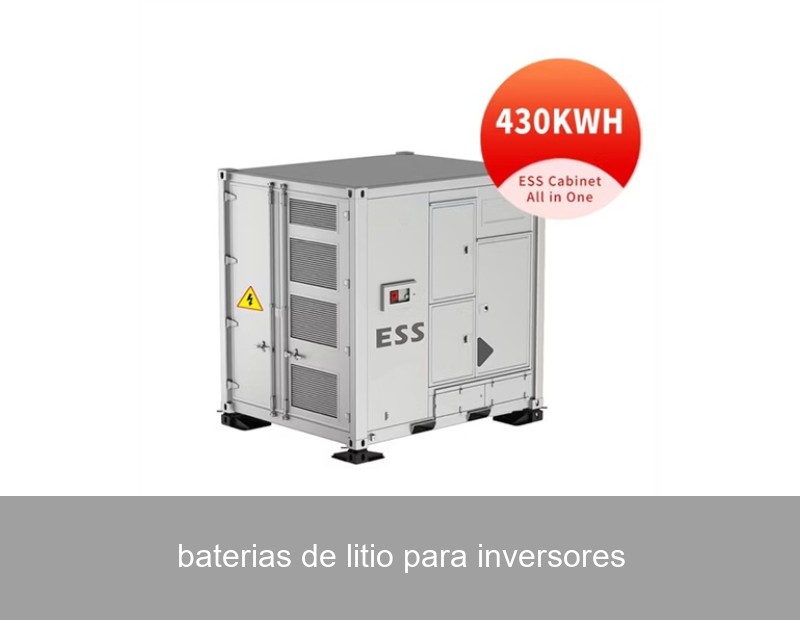
Image Source: Unsplash. Utility-scale battery energy storage systems (BESS) like those deployed for large commercial projects.
Future Trends: What's Next for Lithium and Inverters?
The journey doesn't stop here. The next wave for lithium batteries for inverters is about deepening intelligence and expanding functionality. We're moving towards bi-directional inverters that not only power your home but also allow your electric vehicle (V2H) or even your entire neighborhood (V2G) to draw from your car's battery. Furthermore, advancements in cell chemistry promise even longer lifespans and faster charging capabilities. The integration of AI for predictive energy management—anticipating weather, usage patterns, and grid signals—will make these systems not just reactive, but proactively optimizing your energy footprint every minute of the day.
As you consider taking control of your energy future, what specific challenge—be it unpredictable utility bills, the need for backup power, or a goal for 100% renewable consumption—is driving you to explore the potential of a lithium battery and inverter system today?
 Inquiry
 Online Chat