


Almacenamiento de Energía BESS: The Key to Unlocking a Stable, Renewable-Powered Grid
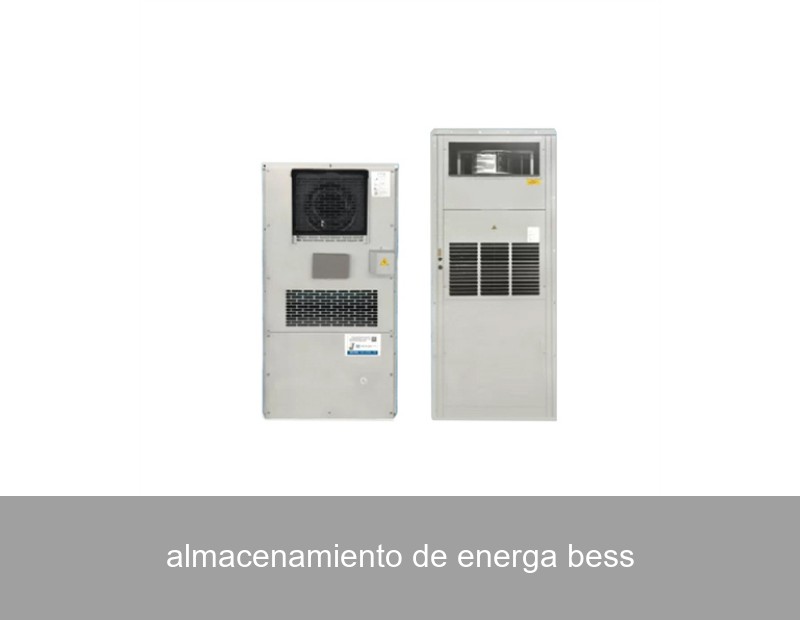
Imagine a world where solar power lights your home at night, and wind energy from a stormy day keeps your factory running during a calm spell. This isn't science fiction; it's the promise of modern almacenamiento de energía BESS (Battery Energy Storage Systems). As our grids strain under the influx of variable renewables and the demands of electrification, BESS has emerged as the critical linchpin for a sustainable energy future. But what exactly is it, and why is it becoming indispensable for businesses, utilities, and homeowners alike? Let's demystify the technology that's quietly revolutionizing how we generate, manage, and consume electricity.
What is BESS (Almacenamiento de Energía BESS)?
At its core, a Battery Energy Storage System (BESS) is a sophisticated setup that captures electrical energy, stores it in battery cells, and dispatches it when needed. Think of it as a giant, intelligent "energy bank" for the electrical grid or your property. However, a modern BESS is far more than just a collection of batteries. It's an integrated system comprising:
- Battery Cells: The core storage units, typically lithium-ion today, known for high energy density and efficiency.
- Power Conversion System (PCS): The "translator," converting DC battery power to AC grid power and vice versa.
- Battery Management System (BMS): The "doctor," monitoring cell health, temperature, and voltage to ensure safety and longevity.
- Energy Management System (EMS): The "brain," making intelligent decisions on when to charge (often when energy is cheap/abundant) and when to discharge (when energy is expensive/scarce).
Companies like Highjoule have spent nearly two decades refining this integration. Our IntelliBESS platform combines industry-leading battery chemistry with proprietary, AI-driven EMS software, creating systems that don't just store energy but actively optimize its value for the specific needs of commercial, industrial, and utility clients.
Why the Grid Needs BESS Now: The Renewable Imperative
The push for BESS isn't happening in a vacuum. It's a direct response to a fundamental shift in our energy landscape. Here’s the phenomenon: Solar and wind are fantastic, clean energy sources, but they're intermittent. The sun sets, the wind stops. This creates a mismatch between when energy is produced and when it's needed.
Let's look at the data. In 2023, renewables like wind and solar accounted for over 30% of global electricity generation, a figure set to rise dramatically. This surge creates a dual challenge: curtailment (wasting excess renewable power when production exceeds demand) and grid instability (voltage and frequency fluctuations). In California alone, grid operators curtailed over 2.4 million MWh of solar and wind energy in 2022—enough to power nearly 250,000 homes for a year.
This is where BESS provides the elegant solution. By storing excess renewable generation and releasing it during peak demand or low production, BESS smooths out the "duck curve," reduces reliance on fossil-fuel peaker plants, and turns renewable energy into a reliable, dispatchable resource.

Image: Utility-scale BESS installations are crucial for grid stability. Source: Unsplash
How a Modern BESS Works: More Than Just a Big Battery
The magic of a contemporary BESS lies in its intelligence. Let's walk through a typical day for a system like Highjoule's IntelliBESS Commercial installed at a manufacturing plant:
- Early Morning (Charge): The EMS detects low electricity prices and ample wind power on the grid. It automatically commands the system to charge the batteries to 100%.
- Mid-Day (Solar Soak): The plant's rooftop solar panels are at peak output. The BESS stores excess solar energy that isn't immediately consumed, maximizing self-consumption and reducing export strain on the local grid.
- Evening Peak (Discharge): Electricity prices spike as demand soars. The solar generation drops. The EMS discharges the stored energy to power the plant, avoiding expensive grid power and providing critical backup during the transition.
- Constant Grid Services: In the background, the system can provide frequency regulation, responding to grid signals in milliseconds to maintain stability—a valuable service often monetized by system owners.
This operational agility transforms a capital expense into a revenue-generating or cost-saving asset. Highjoule's systems are designed with this multi-use capability in mind, ensuring our clients can adapt to evolving market rules and maximize their return on investment.
Key Applications & Tangible Benefits
The versatility of BESS technology allows it to solve a wide array of energy challenges. Here’s a breakdown of its primary applications and the concrete benefits they deliver:
| Application | How BESS is Used | Direct Benefits |
|---|---|---|
| Renewable Integration | Storing excess solar/wind for later use, smoothing output. | Increased self-consumption, reduced curtailment, enhanced project ROI. |
| Commercial & Industrial (C&I) | Peak shaving, time-of-use optimization, backup power. | Significant reduction in demand charges and energy bills, improved power reliability. |
| Utility & Grid Services | Frequency regulation, voltage support, deferred grid upgrades. | New revenue streams for asset owners, more resilient and efficient grid. |
| Residential & Microgrids | Pairing with home solar, providing islanding capability during outages. | Energy independence, security, and lower carbon footprint. |
For a C&I facility, the financial argument is compelling. By "peak shaving"—using stored energy to reduce power draw from the grid during the most expensive 15-minute window each month—a business can slash its demand charges, which often constitute 30-50% of an electricity bill. Highjoule's Energy Analytics Suite provides clients with clear, real-time visibility into these savings, turning complex energy data into actionable business intelligence.
A Real-World Case Study: Spain's Solar Integration Challenge
Let's move from theory to practice with a concrete example from Europe. Southern Spain boasts exceptional solar resources, but its regional grid sometimes struggles with the rapid midday solar ramp-down as evening demand rises—a classic "duck curve" scenario.
The Project: A 50 MW solar PV farm in Andalusia was facing significant curtailment directives from the grid operator during periods of congestion. The owner partnered with Highjoule to design and deploy a co-located 20 MW / 40 MWh BESS.
The Highjoule Solution: We installed our IntelliBESS Utility system, featuring our advanced thermal management and cell-balancing technology, crucial for the region's hot climate. The integrated EMS was programmed with a dual objective: store energy during peak solar hours (11:00-16:00) and discharge it during the evening peak (19:00-22:00).
The Results (Data from first 12 months):
- Curtailment Reduction: Solar energy wasted was reduced by 92%.
- Revenue Streams: The system generated revenue through both energy arbitrage (buying low, selling high) and the provision of frequency containment reserve (FCR) services to the Spanish grid.
- Grid Support: The BESS provided rapid frequency response during several minor grid events, demonstrating its value beyond simple storage.
This project exemplifies how almacenamiento de energía BESS is not just an add-on but an essential component for maximizing the economic and operational viability of large-scale renewables. It's a blueprint being replicated across sunny markets in Italy, Greece, and the American Southwest.

Image: Expert monitoring and control are vital for BESS performance. Source: Unsplash
Choosing the Right BESS for Your Needs
With the clear benefits in mind, how does a business or utility select the appropriate system? It's not a one-size-fits-all decision. Key considerations include:
- Primary Use Case: Is the goal to reduce bills, ensure backup, integrate renewables, or generate grid revenue? This dictates the system's power (MW) and energy (MWh) ratings.
- Technology & Longevity: Look beyond basic specs. Inquire about cycle life, degradation rates, and the sophistication of the BMS and EMS. Highjoule's systems, for instance, use LFP (Lithium Iron Phosphate) chemistry for enhanced safety and longer cycle life, backed by robust performance warranties.
- Integration & Software: The software is the true differentiator. Can it adapt to changing tariffs and grid rules? Does it offer transparent reporting? A future-proof EMS is critical.
- Partner Expertise: Choose a provider with a proven track record in your specific application and region. Highjoule's global team brings localized expertise in navigating incentives, grid codes, and permitting processes in both the European and North American markets.
The Future Horizon for Energy Storage
The trajectory for BESS is steeply upward. We're seeing advancements in battery chemistries like sodium-ion for lower cost and reduced critical material reliance. Virtual Power Plants (VPPs)—aggregating thousands of distributed BESS and renewables into a single, grid-responsive resource—are moving from pilot to mainstream. Furthermore, innovations in long-duration energy storage (LDES) are emerging to tackle multi-day weather-related shortfalls in renewables.
At Highjoule, we view the BESS not as a static product but as an evolving energy asset. Our ongoing R&D focuses on making our systems more adaptable, more efficient, and more deeply integrated into the digital energy ecosystem. The goal is to empower every energy user, from a homeowner to a national utility, to become an active, beneficial participant in the clean energy transition.
The conversation around energy resilience and sustainability is no longer about "if" but "how." With the technology for robust almacenamiento de energía BESS readily available and proven, what specific energy challenge—be it soaring operational costs, unreliable power, or a corporate sustainability target—could you address by starting your storage journey today?
 Inquiry
 Online Chat