


Industrial Photovoltaic Accumulator: The Key to Energy Independence and Cost Control
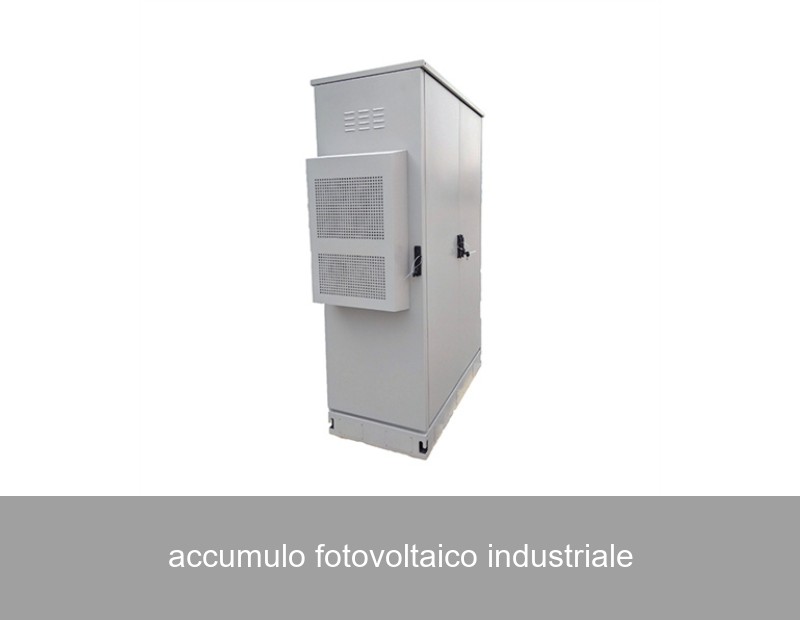
For industrial facility managers across Europe and the US, the conversation has shifted from simply reducing electricity bills to achieving true energy resilience. Fluctuating energy prices and an increasingly unstable grid are no longer just concerns for the finance department—they're operational risks. This is where the strategic implementation of an industrial photovoltaic accumulator system becomes a game-changer. It's not just about generating solar power; it's about intelligently storing and deploying it to maximize self-consumption, ensure uninterrupted operations, and turn energy management into a competitive advantage. Companies like Highjoule, with nearly two decades of expertise, are at the forefront of designing these integrated, smart energy solutions that empower industries to take control of their power.
Table of Contents
- The Challenge: Solar Generation vs. Industrial Demand
- What is an Industrial Photovoltaic Accumulator System?
- Core Benefits: Beyond Backup Power
- Real-World Impact: A German Manufacturing Case Study
- Choosing the Right System: Key Considerations
- Highjoule's Role: Delivering Intelligent Industrial Storage
- The Future of Industrial Energy
The Challenge: Solar Generation vs. Industrial Demand
Let's face a fundamental mismatch. Industrial facilities typically have their highest energy demand during morning and evening peaks, often when the sun isn't at its zenith. A rooftop solar PV system alone might generate a surplus at noon, only to export it to the grid at low feed-in tariffs, while you're forced to buy expensive power from the utility later. This cycle leaves significant value untapped. The industrial photovoltaic accumulator solves this by acting as an energy buffer. Think of it as a high-capacity, sophisticated battery bank that captures the midday solar "harvest" and strategically releases it during periods of high consumption or high grid prices. The result? A dramatic increase in the self-consumption rate of your solar energy—from perhaps 30-40% to over 80% or more—directly slashing your energy costs.

Image Source: Unsplash (Photo of industrial solar panels)
What is an Industrial Photovoltaic Accumulator System?
An industrial-scale system is far more than a collection of batteries. It's an integrated energy management ecosystem. At its core are high-performance, durable battery modules—often using Lithium Iron Phosphate (LFP) chemistry for its safety, long cycle life, and stability. These are managed by a sophisticated Battery Management System (BMS) and coupled with a powerful bi-directional inverter that converts DC from the solar panels and batteries to AC for your machinery, and vice versa for charging.
The real intelligence comes from the Energy Management System (EMS). This is the brain of the operation. A modern EMS can:
- Forecast solar production and load consumption.
- Analyze real-time electricity pricing (critical in markets with dynamic Time-of-Use rates).
- Automatically decide when to store, use, or (if beneficial) sell energy.
- Provide seamless backup power during grid outages, protecting sensitive processes.
Core Benefits: Beyond Backup Power
While emergency backup is a crucial feature, the financial and operational benefits are even more compelling:
- Peak Shaving: Avoid costly demand charges by using stored energy to smooth out power draws from the grid during peak periods.
- Energy Arbitrage: Buy and store electricity when grid prices are low (e.g., at night), and use it when prices are high.
- Grid Services: In some regions, aggregated storage systems can participate in frequency regulation markets, creating a new revenue stream.
- Sustainability Goals: Significantly increase the utilization of clean, self-generated solar power, reducing your carbon footprint and bolstering ESG reporting.
- Power Quality Management: Stabilize voltage and frequency for sensitive industrial equipment.
For a deeper understanding of grid services and storage value streams, the National Renewable Energy Laboratory (NREL) provides excellent research.
Real-World Impact: A German Automotive Supplier Case Study
Let's look at concrete data. A mid-sized automotive parts manufacturer in Bavaria, Germany, faced rising energy costs and pressure to decarbonize. They had a 1.2 MWp rooftop PV system but were only consuming 35% of its generation on-site.
In 2022, they partnered with Highjoule to implement a turnkey industrial photovoltaic accumulator solution. The system featured a 500 kWh Highjoule H-Stack commercial battery system with integrated EMS, designed to interface seamlessly with their existing solar infrastructure.
| Metric | Before Installation | After Installation (12-month avg.) |
|---|---|---|
| Solar Self-Consumption Rate | 35% | 89% |
| Grid Electricity Purchases | ~4.2 GWh/year | ~2.1 GWh/year |
| Peak Demand Charge Reduction | Baseline | 22% |
| Annual Energy Cost Savings | Baseline | €218,000 |
| CO2e Emissions Reduction | Baseline | Additional 380 tonnes/year |
The system also provides critical backup power for their precision machining control units, preventing costly production halts during brief grid disturbances. The project's financial viability was supported by Fraunhofer ISE's ongoing data on declining storage costs, which gave the client confidence in the investment.
Choosing the Right System: Key Considerations for Industries
Selecting an industrial storage system isn't a one-size-fits-all process. Key factors include:
- Load Profile Analysis: A detailed audit of your facility's energy consumption patterns is the essential first step.
- Storage Capacity & Power: Determined by your peak shaving needs, backup runtime requirements, and solar generation profile.
- Technology & Lifespan: LFP batteries are currently the preferred choice for industrial applications due to their safety and longevity (often 6,000+ cycles).
- Scalability: Can the system be easily expanded as your needs grow?
- Integration & Software: The EMS must be capable of integrating with existing building or industrial management systems and adapting to market signals.

Image Source: Unsplash (Photo of industrial battery system)
Highjoule's Role: Delivering Intelligent Industrial Storage
Since 2005, Highjoule has specialized in bridging the gap between renewable generation and reliable consumption. For industrial clients, we don't just supply hardware; we deliver a comprehensive energy resilience strategy. Our H-Stack Commercial Series is engineered specifically for demanding industrial environments. These modular, containerized or rack-mounted solutions offer:
- Ultra-safe LFP battery technology with active thermal management.
- Native integration with both new and existing solar PV installations.
- Highjoule's proprietary OptiGrid AI EMS, which uses machine learning to optimize every kilowatt-hour for maximum economic return.
- Remote monitoring and predictive maintenance services to ensure system health and performance over its entire 15+ year lifespan.
Our process begins with a deep-dive feasibility study, modeling your specific data to project ROI and system sizing. We then handle design, installation, commissioning, and ongoing support, ensuring your industrial photovoltaic accumulator becomes a reliable, profit-center asset.
The Future of Industrial Energy
The trend is clear: passive energy consumption is being replaced by active, intelligent energy management. With the rise of electric vehicle fleets and green hydrogen production, industrial energy hubs will become even more complex. An industrial photovoltaic accumulator system is the foundational technology that enables this transition, allowing facilities to act as flexible, stable nodes in the wider energy grid.
Is your organization ready to move from being a price-taker on your energy bill to a master of your own energy destiny? What would a 20-40% reduction in your annual energy costs and a guaranteed power supply for your critical processes mean for your bottom line and operational confidence?
 Inquiry
 Online Chat