


Advanced Energy Management Solutions: The Key to Unlocking Grid Stability and Cost Savings
Have you ever wondered how businesses and communities can truly take control of their energy destiny? As electricity prices fluctuate and the push for sustainability grows louder, a new era of intelligent power is dawning. The answer lies not just in generating clean energy, but in mastering its flow. This is where advanced energy management solutions come into play, acting as the intelligent brain that optimizes how, when, and where electricity is used and stored. For organizations across Europe and the US, these systems are transforming from a luxury into a critical infrastructure component, ensuring resilience, reducing costs, and accelerating the clean energy transition.
Table of Contents
- The Phenomenon: Energy Volatility is the New Normal
- The Data: Quantifying the Need for Intelligence
- The Case Study: A German Manufacturing Plant's Success
- The Core Insight: It's More Than Just Hardware
- Key Components of a Modern Advanced Energy Management System
- How Highjoule Delivers Intelligent Energy Control
- Looking Ahead: The Future of Energy is Managed
The Phenomenon: Energy Volatility is the New Normal
Gone are the days of predictable, one-way power flow from the grid. Today, industrial facilities, commercial buildings, and even homes are becoming "prosumers"—both producing and consuming energy. Rooftop solar floods the local grid at noon, only to create a demand spike at sunset. Extreme weather events, from heatwaves in California to cold snaps in Texas, strain aging infrastructure and lead to volatile pricing and outages. This volatility isn't just an inconvenience; it's a direct threat to operational continuity and the bottom line. The old model of passive consumption is breaking down, creating a pressing need for active, intelligent energy orchestration.
The Data: Quantifying the Need for Intelligence
The business case for advanced energy management is backed by compelling figures. According to the U.S. Department of Energy, combined heat and power and energy management systems can improve overall energy efficiency by up to 80% in suitable applications. In the EU, the Photovoltaic Geographical Information System (PVGIS) data shows the massive potential of solar generation, but its intermittent nature demands smart management. Financially, the ability to avoid peak demand charges—which can constitute up to 70% of a commercial electricity bill—is a primary driver. Without an intelligent system to navigate these complexities, a significant portion of potential savings from solar panels or battery storage simply goes untapped.
The Case Study: A German Manufacturing Plant's Success
Let's look at a real-world example from Bavaria, Germany. A mid-sized automotive parts manufacturer faced steep “Netzentgelte” (grid fees) and peak power charges that were eroding profit margins. They had installed a 500 kW solar array, but were still drawing expensive power from the grid during morning and evening peaks.
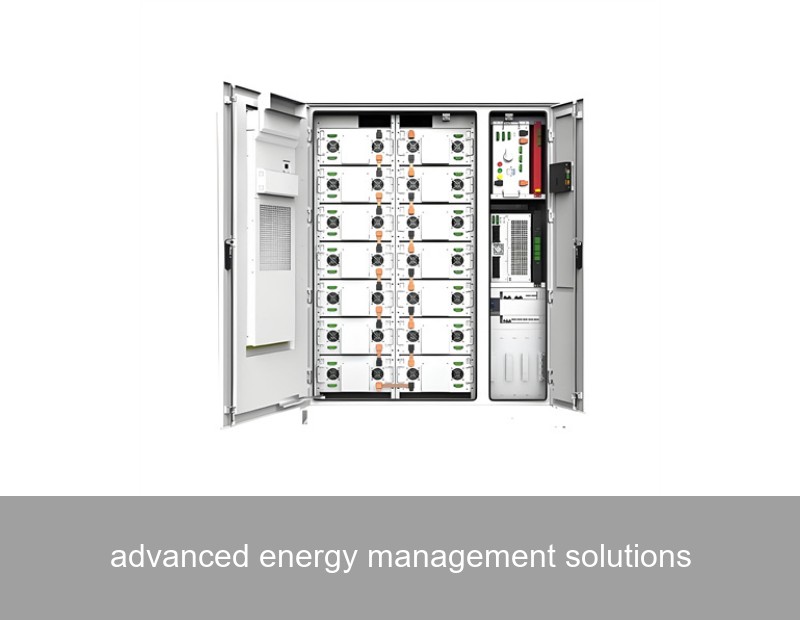
Their solution was an integrated advanced energy management solution that included a 1 MWh battery energy storage system (BESS) and sophisticated control software. The system's AI-driven algorithms forecasted both solar production and the plant's load profile. Here’s what happened over the first 18 months:
| Metric | Before Implementation | After Implementation | Improvement |
|---|---|---|---|
| Grid Peak Demand | 850 kW | 620 kW | 27% Reduction |
| Solar Self-Consumption | 35% | 89% | 154% Increase |
| Annual Energy Costs | €285,000 | €189,000 | €96,000 Saved |
| Grid Independence During Peaks | 0% | ~95% | Near-total independence |
The system didn't just store excess solar energy; it strategically dispatched it to "shave" peak loads and provided backup power during brief grid disturbances. The project achieved a return on investment in under 5 years, while significantly boosting the facility's sustainability credentials.

Image: A modern battery energy storage system (BESS) installation, a core component of an advanced energy management solution.
The Core Insight: It's More Than Just Hardware
The key takeaway from such cases is that the true magic lies in the software and intelligence, not just the physical assets. An advanced energy management solution is a sophisticated digital layer that integrates and optimizes diverse assets:
- On-site Generation: Solar PV, wind turbines, combined heat and power (CHP).
- Storage Systems: Lithium-ion battery storage, thermal storage, or other emerging technologies.
- Building & Process Loads: HVAC, lighting, industrial machinery—potentially controllable loads.
- Grid Interface: Connection points, import/export meters, and grid service signals.
By treating these elements as a single, coordinated ecosystem, the solution makes decisions in real-time that no human operator could, balancing dozens of variables to achieve predefined goals like cost minimization or carbon reduction.
Key Components of a Modern Advanced Energy Management System
Understanding the architecture demystifies the concept. A robust system typically features:
1. Predictive Analytics & Forecasting Engine
Using weather data, historical consumption patterns, and production data to predict solar/wind generation and energy needs for the next hours or days.
2. Real-Time Optimization Core
This is the decision-making brain. It uses forecasts, real-time electricity prices (where applicable), and operational constraints to determine the optimal schedule for charging/discharging batteries, running generators, or curtailing non-essential loads.
3. Hardware Agnostic Integration Layer
A critical component that communicates with inverters, battery management systems (BMS), meters, and building management systems (BMS) via standard protocols, creating a unified control platform.
4. User Dashboard & Reporting
Provides visibility into performance, savings, carbon avoidance, and system health, empowering facility managers with actionable insights.
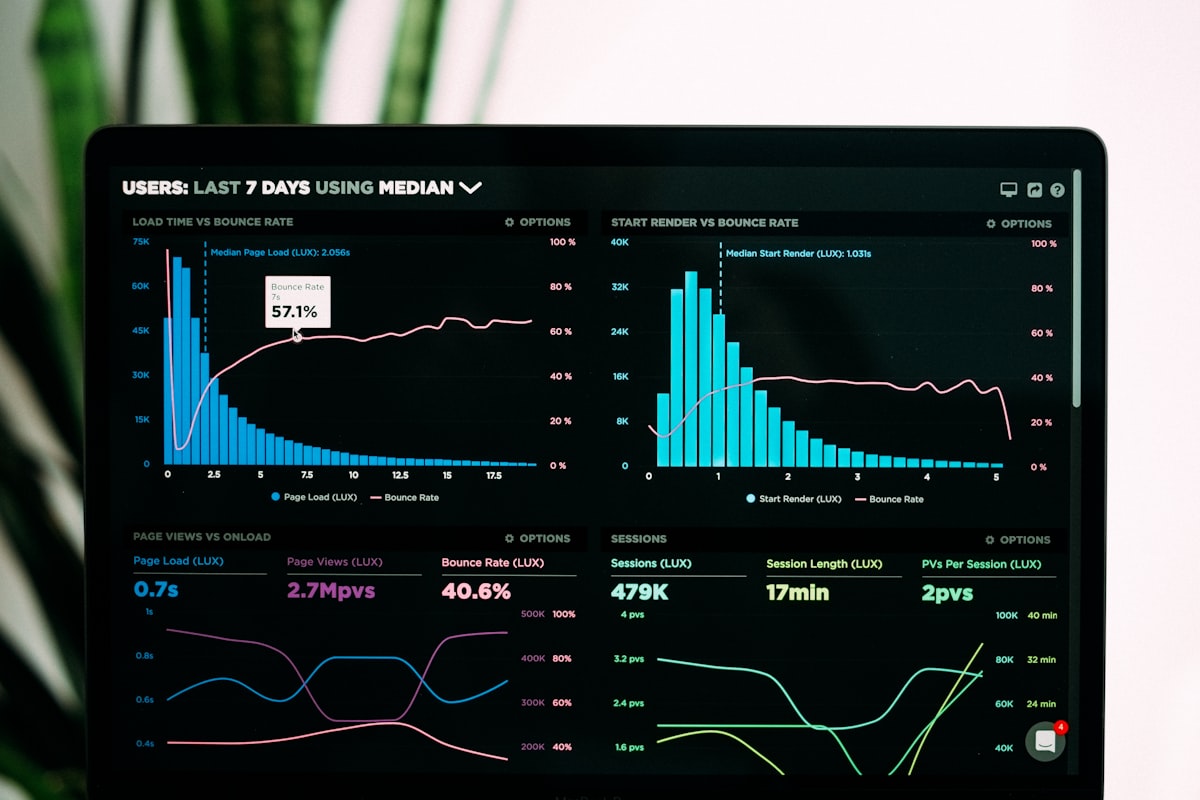
Image: Visualization and control dashboards are essential for monitoring and managing complex energy flows.
How Highjoule Delivers Intelligent Energy Control
This is precisely where Highjoule, with nearly two decades of experience, excels. We don't just supply batteries; we provide end-to-end advanced energy management solutions tailored for commercial, industrial, and microgrid applications. Our approach is holistic:
- Highjoule HORIZON Platform: Our proprietary, cloud-based energy management software is the cornerstone. It integrates predictive analytics, real-time optimization, and seamless control of multi-vendor assets into a single pane of glass.
- Highjoule CELL Battery Storage Systems: Our UL and IEC-certified battery storage solutions, ranging from modular cabinet designs to containerized megawatt-scale systems, are engineered for safety, longevity, and high-cycle performance. They are the perfect physical counterpart to our HORIZON intelligence.
- Custom Integration & Services: Our team of experts works with clients to design, integrate, and commission systems that incorporate existing solar arrays, generators, and loads. We ensure the solution meets specific financial and resilience goals.
For instance, a retail chain in the Northeastern US leveraged the Highjoule HORIZON platform across multiple sites. The system not only managed each store's solar and storage but also aggregated their flexibility to participate in a utility demand response program, creating a new revenue stream while enhancing local grid stability.
Looking Ahead: The Future of Energy is Managed
The evolution towards decentralized, decarbonized, and digitalized energy systems is irreversible. Advanced energy management solutions are the essential glue that holds this future together. They enable the high penetration of renewables, turn consumers into active grid participants, and provide the resilience needed in an era of climate uncertainty. The question is no longer *if* such intelligence is needed, but *when* and *how* to implement it.
Is your organization ready to move from being a passive energy consumer to an active, intelligent energy manager? What would a 25% reduction in your annual energy costs and a significant boost in your operational resilience mean for your business goals?
 Inquiry
 Online Chat