


Automatismes Energie Electronique Systemes: The Smart Backbone of Modern Power
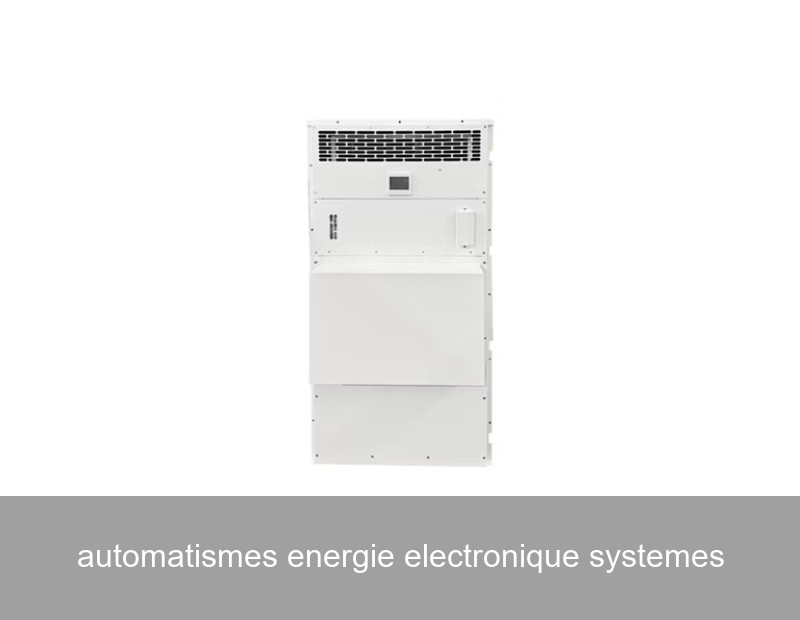
Imagine your energy system not just storing power, but thinking for itself. This isn't science fiction; it's the reality enabled by automatismes energie electronique systemes – the sophisticated electronic automation systems that are quietly revolutionizing how we generate, store, and consume electricity. For businesses and homeowners navigating volatile energy prices and grid instability, these intelligent systems are no longer a luxury but a necessity. They form the essential "digital nervous system" that makes renewable energy reliable, efficient, and truly autonomous.
Table of Contents
The Phenomenon: From Passive Storage to Active Intelligence
For years, the focus in renewable energy was on generating more kilowatt-hours. Solar panels got cheaper, wind turbines taller. But a critical bottleneck emerged: raw generation is intermittent and often mismatched with demand. A traditional battery energy storage system (BESS) is a step forward, but without sophisticated automatismes energie electronique systemes, it's like having a powerful computer without an operating system. The real transformation happens when advanced power electronics, sensors, and control algorithms merge to create a self-optimizing energy ecosystem.
This shift is driven by a simple truth: value lies not just in the energy itself, but in the precise orchestration of its flow. An automated system can decide in milliseconds whether to power your operations, charge batteries, sell back to the grid, or island your facility during an outage—all without human intervention.
The Data: Quantifying the Need for Automation
The economic and grid-stability arguments for these systems are compelling. Let's look at some key data points:
| Challenge | Data Point | How Automation Addresses It |
|---|---|---|
| Energy Price Volatility | In Germany's day-ahead market, prices can swing from -€50 to over €700 per MWh within hours (SMARD). | AI-driven systems automatically buy (charge) at low prices and sell (discharge) at high prices, maximizing revenue. |
| Grid Congestion & Instability | The U.S. saw a 70% increase in major power outages from 2011-2021 (EIA). | Automated systems provide instant grid services (frequency regulation) and enable seamless microgrid operation during blackouts. |
| Renewable Curtailment | California curtailed over 2.4 million MWh of solar and wind in 2022 due to grid oversupply. | Intelligent systems automatically divert curtailed energy into storage instead of wasting it. |
These numbers paint a clear picture: manual management of complex energy assets is no longer viable. The financial losses and operational risks are too high.

Image Source: Unsplash - The complexity of modern energy management demands advanced electronic automation.
Core Components of an Automated Energy Electronic System
So, what exactly constitutes these smart automatismes energie electronique systemes? It's a layered architecture of hardware and software working in concert.
1. The Physical Layer: Power Electronics & Sensing
This is the "muscle and senses." It includes bi-directional inverters that convert DC (from batteries, solar) to AC (for your building or grid), along with a vast array of sensors monitoring voltage, current, frequency, and battery cell health. The precision of these components determines the system's speed and efficiency.
2. The Control Layer: The Brainstem
This involves programmable logic controllers (PLCs) and energy management controllers that execute pre-set rules. For example: "If grid frequency drops below 49.8 Hz, discharge at 100 kW for 15 minutes." This layer handles the fundamental, rapid-response automation.
3. The Intelligence Layer: The Cognitive Brain
Here is where machine learning and advanced forecasting come in. This layer analyzes weather data, historical consumption, and real-time market prices to make predictive decisions. It doesn't just react; it anticipates. This is the hallmark of a truly advanced system, like those developed by Highjoule.
Highjoule's Integrated Approach
At Highjoule, we don't just sell batteries or controllers. We deliver integrated automatismes energie electronique systemes through our Highjoule Nexus Platform. Our systems combine industry-leading lithium-ion or flow battery storage with our proprietary Nexus OS. This platform unifies all three layers, providing seamless automation from millisecond-level grid response to long-term financial optimization. For a commercial client, this means our system automatically shifts their load to avoid peak demand charges, participates in grid-balancing markets while they sleep, and ensures critical operations never lose power—all through a single, intelligently automated unit.
Case Study: The Highjoule Nexus in Action - A Danish Dairy Cooperative
Let's move from theory to a real-world application. Consider a large dairy cooperative in Jutland, Denmark. Their challenges were twofold: high energy costs for round-the-clock cooling and processing, and a commitment to 100% renewable power that was vulnerable to calm, cloudy days.
The Solution: Highjoule deployed a 2 MWh battery energy storage system integrated with the cooperative's existing wind turbine and new rooftop solar. The core of the installation was the Highjoule Nexus automation system, directly managing the interplay between all generation sources, storage, and consumption loads.
- Priority 1 (Survival): Always maintain backup power for refrigeration units. The system continuously reserves a minimum state of charge.
- Priority 2 (Cost): Automatically avoid peak grid draw. When processing equipment kicks in, the system uses stored energy first.
- Priority 3 (Revenue): Participate in Denmark's frequency regulation market (FCR). The Nexus platform bids small portions of the battery's capacity into this automated market, providing grid stability and generating income.
The Results (12-Month Period):
- Energy Cost Reduction: 34% reduction in net electricity costs through peak shaving and arbitrage.
- New Revenue Stream: €28,000 earned from automated frequency regulation services.
- Renewable Self-Consumption: Increased from 68% to 94%, drastically reducing reliance on the external grid.
- ROI Acceleration: The combined savings and revenue shortened the projected payback period by over 40%.
This case exemplifies how intelligent automatismes energie electronique systemes transform a storage asset from a cost center into a dynamic, profit-generating pillar of operational resilience.

Image Source: Unsplash - Industrial-scale battery systems require sophisticated automation for safe and profitable operation.
The Future Powered by Intelligent Automation
The evolution of automatismes energie electronique systemes is moving towards even greater decentralization and interconnectivity. We're looking at the rise of virtual power plants (VPPs), where thousands of individual automated systems—like those in homes, businesses, and factories—are aggregated to act as a single, flexible power plant. Highjoule is actively pioneering in this space, with our Nexus platform designed to seamlessly integrate into larger VPP networks, allowing our clients to contribute to and benefit from grid stability on a regional scale.
The next frontier is the integration of electric vehicle (EV) fleets as mobile storage assets. Imagine a logistics company where the charging schedule of its 50 electric trucks is automatically optimized by the same automatismes energie electronique systemes that manage the warehouse's solar and storage. The system could charge vehicles when solar production is high or even use their batteries to support the warehouse during a brief grid outage. This level of cross-asset automation is where the true potential of the energy transition is unlocked.
Is Your Energy System Working for You, or Are You Working for It?
The question for business leaders and facility managers is no longer if they need energy storage, but what kind of intelligence they require to maximize its value. A basic battery is a tool. An automated automatismes energie electronique systemes from a provider like Highjoule is a strategic partner that works 24/7 to protect your operations, cut your costs, and open new revenue streams. What single operational constraint caused by unreliable or expensive power would you most want an intelligent system to solve for you?
 Inquiry
 Online Chat