


Your Essential Guide to Choosing a Reliable Back Up Battery for Home
a powerful storm rolls through your neighborhood. The lights flicker once, twice, and then go out completely. Your refrigerator hums to a stop, the Wi-Fi is gone, and your phone battery is ticking down. Now, imagine a different scenario: the same storm hits, but in your home, the essential lights stay on, the fridge keeps cooling, and life continues with minimal disruption. The difference? A modern back up battery for home. More than just an emergency gadget, it's becoming a cornerstone of resilient, efficient, and sustainable modern living. Let's explore why home battery backup is no longer a luxury but a smart necessity, and how to navigate your options.
Table of Contents
- The Rising Need for Home Energy Resilience
- How a Home Backup Battery System Works: More Than Just a Battery
- Key Benefits: From Blackout Protection to Bill Savings
- Choosing the Right System: Capacity, Power, and Intelligence
- A Real-World Case Study: The Smith Family's Solution
- Highjoule: Engineering Peace of Mind into Every Home
- The Future of Home Power is in Your Hands
The Rising Need for Home Energy Resilience
It's a trend many of us are feeling firsthand. The U.S. Energy Information Administration (EIA) reports that the average American home experienced just over eight hours of power interruptions in 2020[1]. In Europe, grid stability concerns and the push for decarbonization are driving similar conversations. The phenomenon isn't just about major disasters; it's about the increasing frequency of shorter outages due to aging infrastructure and extreme weather events linked to climate change. The data points to a simple truth: grid power, while generally reliable, is not infallible. This vulnerability creates a tangible problem—disruption, potential safety risks, and financial loss—for which homeowners are now seeking a proactive solution.
How a Home Backup Battery System Works: More Than Just a Battery
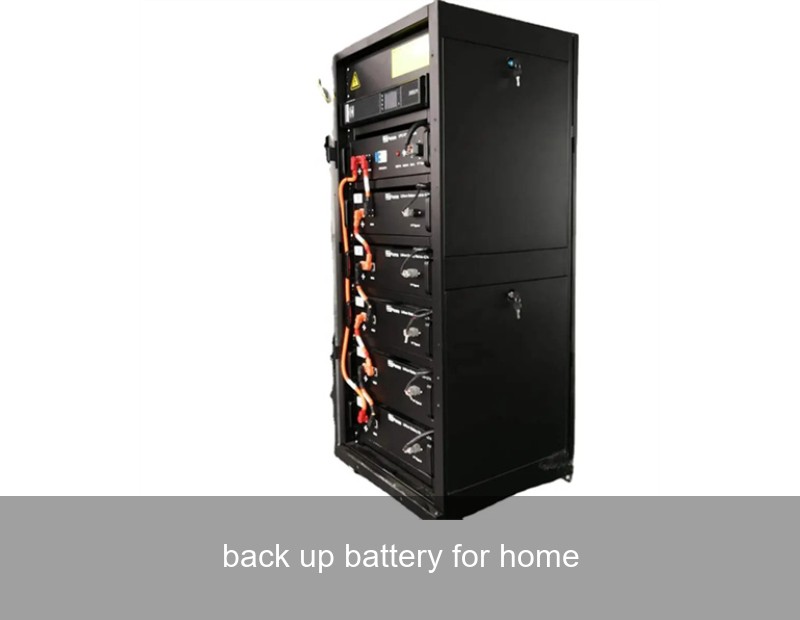
Think of a home battery backup system as the heart of a new, personal microgrid. It's far more sophisticated than a simple power bank. Here’s the core system architecture:
- The Battery Core: Typically using Lithium Iron Phosphate (LiFePO4) chemistry for safety and long life, this is where the energy is stored.
- The Inverter/Charger: The brain of the operation. It converts DC battery power to AC for your home and manages charging from the grid or solar panels.
- The Smart Energy Manager: This software intelligently decides when to charge, discharge, or hold, optimizing for backup readiness or cost savings.
- The Critical Load Panel (Optional but Recommended): A sub-panel that allows you to prioritize circuits for backup (e.g., fridge, lights, internet, medical equipment) to extend battery runtime during an outage.
When the grid fails, the system automatically detects the outage, isolates your home from the grid in milliseconds (a process called "islanding"), and begins powering your selected loads from the battery. You often won't even notice the transition.

Image Source: Unsplash (Representative image of a home energy storage unit)
Key Benefits: From Blackout Protection to Bill Savings
While outage protection is the primary driver, the benefits of a back up battery for home create a compelling value proposition:
| Benefit | Description | Impact |
|---|---|---|
| Uninterrupted Power Supply | Seamless transition during grid failures. | Safety, comfort, and continuity for work/study. |
| Solar Energy Maximization | Store excess solar energy for use at night or during outages. | Dramatically increases self-consumption, reducing grid reliance. |
| Bill Management & Load Shifting | Charge from the grid when rates are low, use battery power during peak, expensive hours. | Significant reduction in monthly electricity costs (Time-of-Use rates). |
| Increased Energy Independence | Reduces dependence on the utility grid and fossil fuels. | Contributes to personal and community resilience. |
| Quiet & Clean Alternative | No fumes, noise, or maintenance of a gas generator. | Safe for indoor installation, zero emissions. |
Choosing the Right System: Capacity, Power, and Intelligence
Not all backup systems are created equal. Selecting the right one involves understanding three key specs:
- Usable Capacity (kWh): This is the "gas tank" – how much total energy is stored. A 10 kWh battery could theoretically run a 1 kW appliance for 10 hours. Start by calculating the watt-hours your essential loads consume over a desired backup period (e.g., 24 hours).
- Continuous Power (kW): This is the "highway" – how much power it can deliver at once. Can it handle the startup surge of your well pump or air conditioner? Ensure your system's power rating exceeds the combined draw of appliances you might run simultaneously.
- System Intelligence: Can it integrate with solar? Does it allow for customizable modes (e.g., "Storm Watch" that auto-charges before bad weather)? Smart software is what transforms a simple battery into an intelligent home energy asset.
A Real-World Case Study: The Smith Family's Solution
Let's look at a concrete example. The Smith family in California, facing frequent Public Safety Power Shutoffs (PSPS) and high Time-of-Use rates, installed a 13.5 kWh home battery system integrated with their existing solar panels in early 2022.
- Problem: 5-10 grid outages per year, often lasting 12-48 hours. High peak electricity rates of over $0.50/kWh.
- Solution: A system configured to power their critical loads (refrigeration, lighting, networking, and one HVAC zone) and programmed for peak shaving.
- Results (12-month period):
- Experienced 8 grid outages with zero disruption to home office and daily life.
- Reduced their electricity bill by an estimated 70% during summer months by avoiding peak rates.
- Achieved a solar self-consumption rate of over 85%, up from roughly 40%.
This case illustrates the dual financial and resilience payoff. The system paid for itself not just in peace of mind, but in hard dollar savings, a calculation becoming more common across the U.S. and Europe[2].

Image Source: Unsplash (Representative image of energy system monitoring)
Highjoule: Engineering Peace of Mind into Every Home
At Highjoule, we've been at the forefront of advanced energy storage since 2005. We understand that a back up battery for home is not a commodity; it's a critical piece of home infrastructure. Our Resilience Series home energy storage systems are built with this philosophy.
Our systems feature market-leading LiFePO4 battery cells for exceptional safety and longevity (over 6000 cycles), ensuring your investment lasts for decades. The integrated Highjoule EnergyOS™ is what truly sets us apart. This intelligent platform allows for:
- Seamless Solar Integration: Works with both new and existing solar installations, maximizing your renewable investment.
- Adaptive Load Management: Dynamically prioritizes power to your most important circuits during an extended outage.
- Grid-Services Ready: In some markets, our systems can participate in utility programs that actually pay you for supporting grid stability.
- Intuitive App Control: Monitor your energy production, consumption, and storage in real-time from anywhere, and set custom modes with one tap.
We don't just sell hardware; we provide a complete power resilience solution, from expert design and compliant installation support to ongoing monitoring. For homeowners who refuse to compromise on reliability or intelligence, Highjoule provides the foundation for a truly resilient and efficient home.
The Future of Home Power is in Your Hands
The conversation around home energy is shifting from passive consumption to active management. With technologies like ours, your home becomes an intelligent node in a cleaner, more resilient energy network. It's about taking control—not just during a storm, but every single day, turning your energy bill from a fixed cost into an optimized asset.
What would you power first to transform your home's resilience and efficiency? Is it ensuring your home office never goes offline, keeping your family's medical equipment running, or simply knowing that the lights will always turn on? The first step to answering that question is understanding your home's unique energy profile.
 Inquiry
 Online Chat