


Hybrid Energy Storage Solutions: The Smart Grid's Missing Piece with HESSTEC
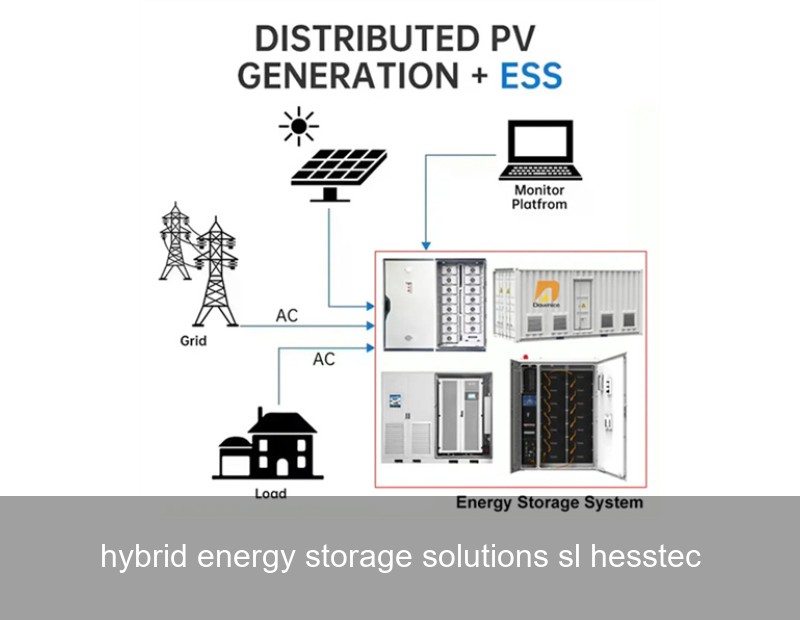
Imagine a world where your solar panels produce more power than you can use at noon, but by evening, you're back on the grid. This is the daily reality for many renewable energy adopters. The sun doesn't always shine, and the wind doesn't always blow—this intermittency is the fundamental challenge holding back a cleaner grid. This is where hybrid energy storage solutions come in, acting as the intelligent buffer that smooths out these bumps. More specifically, advanced systems like Hybrid Energy Storage System Technology (HESSTEC) are redefining resilience and efficiency. By combining different storage technologies, such as lithium-ion batteries for rapid response and longer-duration storage for sustained output, HESSTEC creates a system that is greater than the sum of its parts. For over 18 years, Highjoule has been at the forefront of this evolution, pioneering intelligent storage that makes renewable energy reliable for businesses, industries, and communities worldwide.
Table of Contents
- The Intermittency Problem: More Than Just a Cloudy Day
- What is HESSTEC? Beyond Simple Battery Packs
- How a Hybrid Energy Storage System Works: The Intelligent Conductor
- A Real-World Case: Stabilizing a German Industrial Park
- The Highjoule Approach: Integrated Intelligence
- The Future Grid Demands Hybrid Solutions
The Intermittency Problem: More Than Just a Cloudy Day
Let's talk data. The International Energy Agency (IEA) highlights that to meet net-zero goals, global grid-scale storage capacity needs to expand nearly 35-fold by 2030. Why this staggering number? Because solar and wind generation are inherently variable. A passing cloud front or a lull in wind can cause sudden dips in power fed into the grid, forcing grid operators to rely on fossil-fuel-powered "peaker" plants to maintain stability. This isn't just an engineering headache; it's an economic and environmental one. These quick-start plants are expensive to run and emit significant carbon, undermining the benefits of the renewables they are backing up.
The phenomenon isn't limited to large grids. A factory with rooftop solar might face demand charges—fees based on their highest power draw from the grid in a month. If multiple high-power machines start simultaneously when solar output is low, that spike becomes very costly. The core issue is a mismatch in timing: generation and consumption are out of sync.
What is HESSTEC? Beyond Simple Battery Packs
This is where the concept of hybrid energy storage solutions transforms the game. Think of it not as a single battery, but as a sophisticated energy management team. HESSTEC, or Hybrid Energy Storage System Technology, refers to systems that intelligently integrate two or more complementary storage technologies. Typically, this pairs:
- High-Power, Fast-Response Storage (e.g., Lithium-ion Batteries): Excellent for instant reactions. They can absorb or inject power in milliseconds, perfect for smoothing short-term fluctuations, providing backup power during outages, and shaving peak demand.
- High-Energy, Long-Duration Storage (e.g., Advanced Flow Batteries): Excels at storing large amounts of energy for longer periods—hours or even days. This is ideal for shifting solar energy from day to night, managing seasonal variations, and providing extended backup.
By itself, each technology has limitations. Lithium-ion can degrade faster if constantly cycled for long-duration tasks. Long-duration tech may not react quickly enough for grid stabilization. HESSTec combines them, allowing each to operate in its optimal performance window, dramatically extending system lifespan, improving overall efficiency, and reducing levelized cost of storage (LCOS).

Image Source: Unsplash - Representative image of a modern energy storage installation.
How a Hybrid Energy Storage System Works: The Intelligent Conductor
The magic lies in the software and power conversion system—the brain and the nervous system. A true HESSTEC platform doesn't just connect batteries; it orchestrates them. Here’s a simplified breakdown:
- Sensing & Forecasting: The system continuously monitors energy generation (from solar/wind), consumption patterns, grid conditions, and even weather forecasts.
- Intelligent Dispatch: Based on this real-time data and predefined objectives (e.g., "minimize grid imports," "avoid demand charges"), the control algorithm decides in microseconds which storage asset to use.
- Scenario A (Grid Spike): The grid frequency dips. The lithium-ion battery instantly discharges to support the grid for the next 30 seconds.
- Scenario B (Evening Ramp): Solar production ends, but factory operations continue. The long-duration storage system seamlessly takes over, discharging stored solar energy from the afternoon over several hours.
- Scenario C (Excess Solar): A sunny, low-demand weekend leads to excess solar. The system prioritizes charging the long-duration storage to its full capacity, maximizing self-consumption.
This dynamic optimization is what companies like Highjoule have mastered. Our HiveMind™ Energy Management Platform is the intelligence behind our hybrid deployments, ensuring every kilowatt-hour is stored and discharged at the right time, with the right technology, for maximum financial and operational return.
A Real-World Case: Stabilizing a German Industrial Park
Let's move from theory to practice. A compelling example comes from a manufacturing industrial park in Bavaria, Germany. The park, with a 4.5 MW rooftop solar array, faced two problems: 1) Export limitations to the local grid during peak solar hours, forcing them to curtail (waste) clean energy. 2) High grid dependency during early morning and evening operations, leading to substantial energy costs.
The Solution: Highjoule deployed a 2.5 MWh hybrid storage system featuring a 1.5 MWh lithium-ion battery cluster and a 1 MWh flow battery unit, all managed by our HiveMind™ platform.
The Data-Driven Outcome (First 12 Months):
| Metric | Result |
|---|---|
| Renewable Self-Consumption | Increased from 68% to 94% |
| Grid Energy Purchases | Reduced by 62% |
| Peak Demand Charges | Reduced by 41% |
| Solar Curtailment | Eliminated (0%) |
The lithium-ion batteries handled short, high-power loads and peak shaving, while the flow battery provided the multi-hour energy shift, storing midday solar for the evening production shift. This case, validated by Fraunhofer Institute monitoring, showcases the tangible grid and economic benefits of a well-engineered hybrid solution.
The Highjoule Approach: Integrated Intelligence
At Highjoule, we view hybrid energy storage solutions not as a product but as a tailored outcome. Our process begins with deep energy analytics of your site. We then design a system that may integrate our proprietary PowerStack™ lithium-ion systems for power-intensive needs with compatible long-duration technologies, ensuring perfect chemistry—both literally and figuratively—between components.
Our core differentiator is integration. The HiveMind™ platform doesn't just manage the storage; it unifies the entire energy asset portfolio—solar, wind, storage, and grid connection—into a single, profitable virtual power plant (VPP). This means our clients can not only save on costs but also participate in grid service markets, generating new revenue streams by offering their stored power for grid balancing, a service increasingly valued in both European and U.S. markets.

Image Source: Unsplash - Visualization of energy management and flow.
The Future Grid Demands Hybrid Solutions
As we move towards grids dominated by renewables, the need for flexibility and resilience becomes non-negotiable. The U.S. Department of Energy's "Long Duration Storage Shot" initiative underscores the critical role of technologies that can store energy for 10+ hours—a perfect complement to shorter-duration batteries. The future grid will be built on layers of storage solutions, and hybrid systems like HESSTEC are the pragmatic blueprint for today.
So, the question isn't really *if* you need storage, but *what kind* of storage will deliver the highest value and resilience for your specific energy profile. Is your organization ready to explore how a hybrid approach could transform your energy costs, sustainability goals, and operational independence?
 Inquiry
 Online Chat