


Lithium Batteries for Solar Energy: The Smart Heart of Modern Power Systems
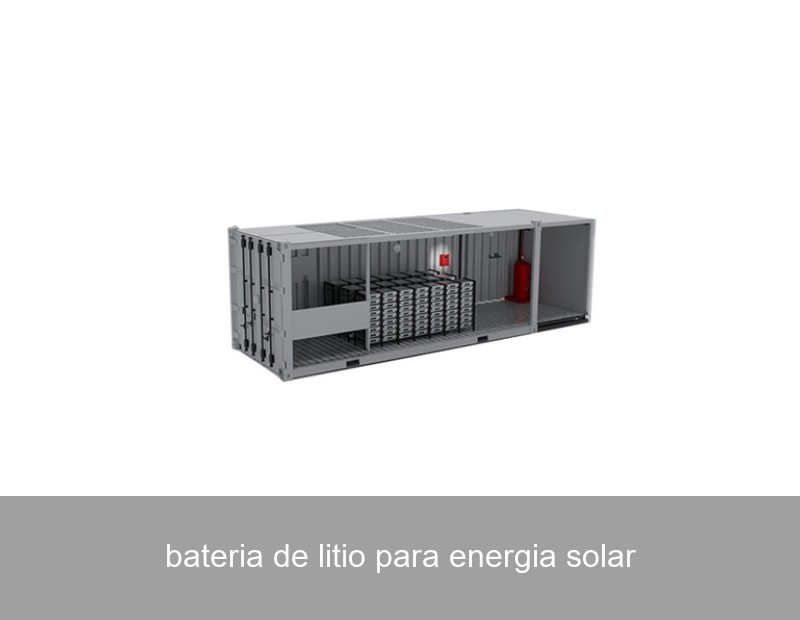
You've made the excellent decision to invest in solar panels. They're gleaming on your roof, capturing the sun's abundant energy. But have you ever wondered what happens when the sun sets, or on those cloudy days? This is where the true magic of a modern solar system comes alive—with a lithium battery for solar energy. More than just a backup, it's the intelligent core that transforms solar from an intermittent source into a reliable, 24/7 power solution. Let's explore why lithium-ion technology has become the undisputed champion for storing solar power and how it can empower your energy independence.
Table of Contents
The Challenge: Sun Doesn't Shine 24/7
The fundamental phenomenon is simple: solar panels produce power only during daylight hours. This creates a mismatch between when energy is generated and when it's most needed—typically in the early morning and evening. Without storage, excess solar energy produced at midday is often fed back to the grid for minimal compensation, while you draw expensive power from the utility at night. This cycle limits your savings and leaves you vulnerable to grid outages. The solution? Capturing that midday surplus for your own use later.

Image Source: Unsplash
Why Lithium-Ion? The Data-Driven Advantage
Not all batteries are created equal. While lead-acid was once the standard, lithium-ion chemistry has revolutionized solar energy storage. The numbers speak for themselves:
| Feature | Lithium-Ion (e.g., LFP) | Traditional Lead-Acid |
|---|---|---|
| Depth of Discharge (DoD) | 90-100% | ~50% |
| Cycle Life (to 80% capacity) | 6,000+ cycles | 1,200-1,800 cycles |
| Round-Trip Efficiency | 95-98% | 80-85% |
| Lifespan | 15+ years | 5-7 years |
Lithium Iron Phosphate (LFP) chemistry, in particular, has become the preferred choice for stationary storage due to its superior safety, long cycle life, and stability. The high Depth of Discharge means you can use almost all the stored energy without damaging the battery. The exceptional cycle life translates to a decade and a half of daily use. And the high efficiency ensures that for every 10 kWh of solar energy you put in, you get over 9.5 kWh back out—minimal waste, maximum value. The U.S. Department of Energy highlights the critical role of storage for solar integration.
A Real-World Case: From Theory to Practice
Let's look at a concrete example from the commercial sector in Southern Europe. A mid-sized winery in Spain faced two issues: high energy costs for refrigeration and irrigation, and unreliable grid power that risked spoilage during critical processes. They installed a 120 kW solar array paired with a 240 kWh lithium-ion battery storage system.
- Result in Year 1: 82% reduction in grid electricity consumption.
- Savings: Over €28,000 annual savings on energy bills.
- Reliability: The system seamlessly powered critical cooling tanks during a 9-hour grid outage, preventing tens of thousands of euros in potential product loss.
- Payback Period: Achieved in under 5 years, thanks in part to intelligent software that optimized charging/discharging based on time-of-use tariffs.
This case underscores that a lithium battery for solar energy is not an expense but a strategic investment with a clear, quantifiable return.
Beyond the Battery: The System Matters
Think of the battery cell as a powerful athlete. To perform optimally, it needs a sophisticated coach, a training plan, and real-time health monitoring. That's what a complete Battery Energy Storage System (BESS) provides. A quality BESS integrates:
- Battery Management System (BMS): The brain that monitors cell voltage, temperature, and state of charge to ensure safety and longevity.
- Hybrid Inverter/Charger: The interpreter that efficiently converts DC power from the panels and batteries to AC power for your home or business, and vice-versa.
- Energy Management System (EMS): The strategist that decides when to store, use, or export energy based on weather forecasts, consumption patterns, and electricity rates.
Choosing a solution that seamlessly integrates these components is crucial for performance and safety.
The Highjoule Approach: Intelligent Storage Solutions
At Highjoule, with nearly two decades of experience since 2005, we understand that delivering a superior lithium battery for solar energy goes beyond supplying hardware. We engineer integrated, intelligent systems. Our flagship product line, the Highjoule H-Series, is built on safe, durable LFP chemistry and is designed for scalability—from residential setups to large commercial and industrial microgrids.

Image Source: Unsplash (Representative image of a modern battery system)
What sets our systems apart is the Highjoule Neuron™ AI Platform. This proprietary software acts as the central nervous system, continuously learning your energy habits and optimizing system performance for maximum self-consumption and financial return. Whether you're a homeowner in Germany looking to shield yourself from volatile energy prices or a factory manager in California aiming for LEED certification and demand charge reduction, our solutions are tailored to meet those specific needs. We provide a full suite of services, from initial consultancy and system design to installation support and remote monitoring.
Making the Right Choice for Your Needs
Selecting the right solar battery system involves a few key considerations:
- Capacity & Power: How much energy do you need to store (kWh), and at what rate do you need to draw it (kW)?
- Chemistry: We strongly advocate for LFP for its safety and lifespan.
- Warranty: Look for a warranty that guarantees both a period of years (e.g., 10-15) and a throughput capacity (e.g., 60 MWh).
- Grid Services: In some markets, systems like Highjoule's can participate in grid-balancing programs, creating an additional revenue stream. NREL research details the value of storage for grid services.
The transition to renewable energy is accelerating, and intelligent storage is the key that unlocks its full potential. A high-quality lithium battery for solar energy is the cornerstone of a resilient, efficient, and cost-effective energy future. It empowers you to take control, reduce your carbon footprint, and build energy security.
What is the first step you would take today to understand how much a solar-plus-storage system could save on your next energy bill?
 Inquiry
 Online Chat