


Solar Battery Cost: How Much Should You Really Expect to Pay?
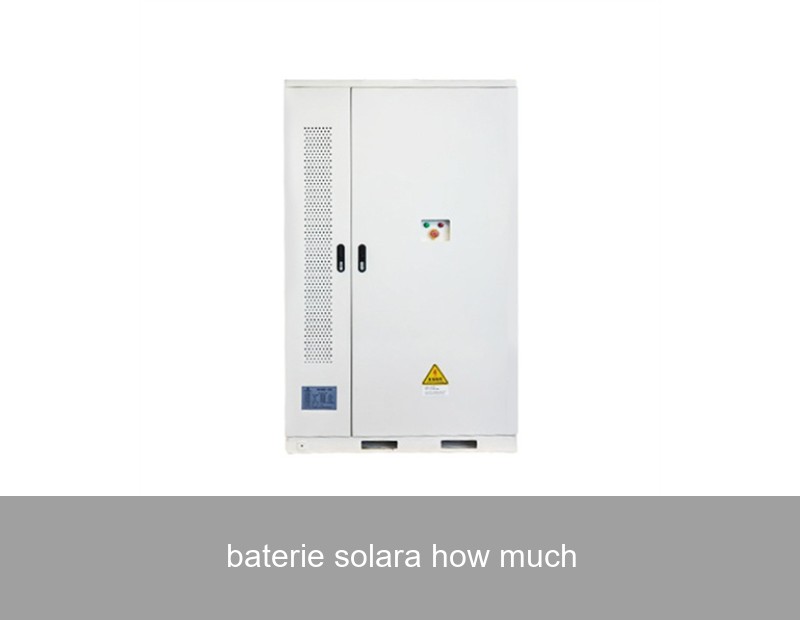
So, you're thinking about adding a battery to your solar panels. It's a smart move. The promise of energy independence, backup power during outages, and maximizing your clean energy use is incredibly compelling. But then comes the big, looming question: "baterie solara how much?" The internet is flooded with vague price ranges that often leave you with more confusion than clarity. Is it $5,000, $15,000, or more? The truth is, the cost of a solar battery system isn't a single number—it's a puzzle where the pieces include technology, capacity, installation, and long-term value. Let's demystify it together.
The Real Cost Breakdown of a Solar Battery
Think of a solar battery purchase like buying a car. You don't just pay for the metal and wheels; you pay for the engine size, the brand, the features, and the cost to get it ready for the road. Similarly, the total cost of a solar battery system encompasses several components:
- The Battery Unit Itself: This is the core cost, typically quoted per kilowatt-hour (kWh) of storage capacity. Prices have been falling but vary by chemistry and brand.
- Inverter & Balance of System (BOS): Many modern systems, like AC-coupled batteries, need a dedicated inverter. Other components like wiring, safety disconnects, and monitoring hardware add to the cost.
- Professional Installation: This is a significant and crucial part. It includes labor, permitting, grid connection fees, and ensuring the system meets all local electrical codes. Complexity can affect this cost dramatically.
- Potential Home Electrical Upgrades: Older electrical panels may need an upgrade to handle a new battery system, an added cost that's often discovered during the site assessment.
| System Size (Useable Capacity) | Estimated Equipment & Installation Cost Range* | Typical Use Case |
|---|---|---|
| 5 - 10 kWh | $4,500 - $12,000 | Essential load backup (lights, fridge, outlets), partial self-consumption. |
| 10 - 15 kWh | $8,000 - $18,000 | Whole-home backup for shorter outages, high self-consumption for average homes. |
| 15+ kWh | $12,000 - $25,000+ | Large homes, extended backup needs, full energy independence goals. |
*Costs are pre-incentive and vary widely by region, installer, and specific product choices.
Key Factors That Determine Your Final Price
1. Battery Chemistry and Performance
Most residential systems today use Lithium-ion, but not all are equal. Lithium Iron Phosphate (LFP) batteries, known for exceptional longevity and safety, are a premium choice. They typically have a longer lifespan (more cycles) and wider operating temperatures, which can justify a higher upfront cost over time.
2. Capacity and Power Rating
Capacity (kWh) is your "gas tank"—how much energy you can store. Power (kW) is how much you can use at once. Running an air conditioner requires high power. You might need a battery with a high power rating even if your capacity needs are modest, which influences cost.
3. Scalability and Integration
Can you start with one battery and add more later? Modular systems offer flexibility but may have different cost structures than single-unit systems. Seamless integration with your existing or new solar panels is key to avoiding costly re-engineering.
4. Incentives and Rebates (The Game Changer!)
This is where the net cost becomes much more attractive. In the United States, the federal Investment Tax Credit (ITC) currently allows you to deduct 30% of the total installed cost (including battery if charged by solar) from your federal taxes. Many states and utilities offer additional rebates. In Europe, schemes vary by country but can include grants, reduced VAT, or favorable feed-in tariffs for stored energy.

Image: A modern, wall-mounted home battery system. Source: Unsplash
Case Study: Real Numbers from a California Home
Let's move from theory to practice. The Rodriguez family in Sacramento, CA, had a 7 kW solar array but was still exporting most of their daytime energy and buying expensive power in the evening. Their goal was backup for 1-2 day public safety power shutoffs (PSPS) and to increase self-consumption.
- System Installed: A scalable 13.5 kWh LFP battery system with an integrated hybrid inverter.
- Total Installed Cost: $16,500
- After Federal ITC (30%): -$4,950
- After Local Utility Rebate (SGIP): -$1,500
- Net Cost to Homeowner: $10,050
- Outcome: Their grid electricity purchases dropped by 85%. During a 36-hour outage, they powered essentials comfortably. Based on their utility savings and demand response program earnings, they project a payback period of 7-8 years on their net investment.
Looking Beyond the Price Tag: Value & ROI
Focusing solely on upfront cost is a mistake. The real metric is value over the system's 10-15+ year life.
- Energy Bill Savings: Use stored solar power at night, avoiding peak utility rates.
- Backup Power Value: How much is uninterrupted power during a storm or outage worth to you? For home offices or medical needs, it can be invaluable.
- Grid Services & Incentives: Some utilities pay you to use your battery to support the grid during stress periods (virtual power plant programs).
- Increased Home Resilience & Sustainability: This is a personal value, contributing directly to a lower carbon footprint and energy independence.
How Highjoule Delivers Smart, Sustainable Power Solutions
At Highjoule, we've been engineering advanced energy storage since 2005. We understand that the question "baterie solara how much?" is really about value, reliability, and peace of mind. Our approach is to provide a smart, efficient, and sustainable solution tailored to your specific energy profile.
For residential clients, our Highjoule HomePower series features LFP battery technology, prioritizing safety and a lifespan that exceeds 6,000 cycles. The system is modular, allowing you to start with a 5 kWh base unit and expand as your needs grow. Our integrated energy management system doesn't just store power; it intelligently decides when to charge from solar, when to discharge to power your home, and when to participate in utility programs to generate income, all while ensuring backup power is always reserved.
For commercial and industrial applications, our Highjoule C&I ESS solutions provide scalable, containerized storage that manages demand charges, integrates renewable sources, and ensures critical operations continuity. Across the US and Europe, our systems are helping businesses stabilize energy costs and meet sustainability targets.

Image: A solar farm paired with battery storage containers. Source: Unsplash
Making the Right Decision for Your Home
The journey to answering "how much" starts with understanding your own "why." What are your primary goals: backup power, bill savings, or full energy independence? A detailed energy audit of your past usage is the best first step. Then, get quotes from reputable installers who specify not just the battery cost, but the total installed cost and provide a clear projection of savings and incentives.
Ask potential providers: How does your system's software maximize my financial return? What is the expected degradation and warranty coverage over 10 years? Can the system integrate with future technologies or additional batteries?
Ready to move from a generic price range to a personalized quote that reflects your home's unique needs and the available incentives in your area? What's the first question you'd ask an energy specialist to feel confident about your solar battery investment?
 Inquiry
 Online Chat