


Batteria a Gel per Fotovoltaico: The Maintenance-Free Powerhouse for Your Solar Energy
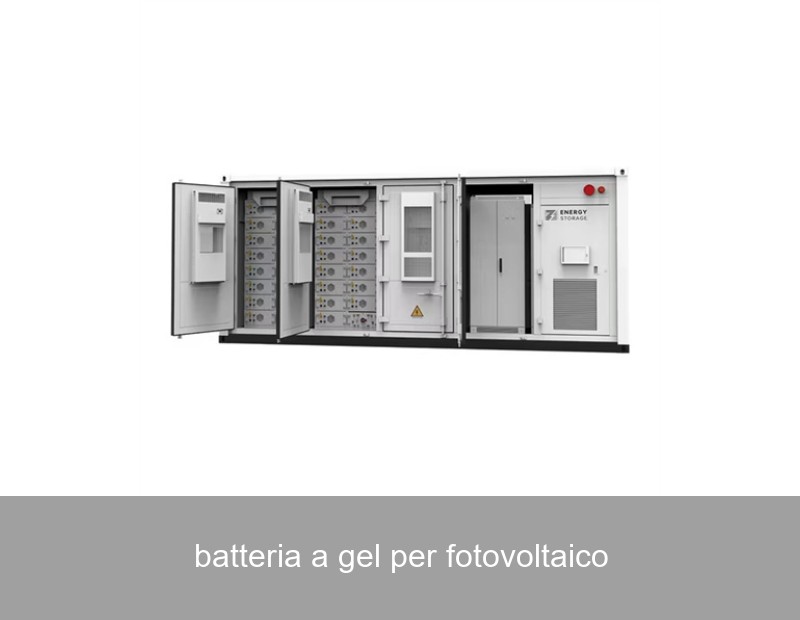
So, you've made the smart decision to invest in solar panels. You're generating clean, renewable energy right from your roof. But here's a question that often pops up as the sun sets: where does all that precious daytime energy go? This is where energy storage becomes the game-changer, and a specific type of technology often stands out for its reliability and ease of use: the batteria a gel per fotovoltaico, or gel battery for solar systems. Unlike traditional flooded lead-acid batteries, gel batteries offer a unique, maintenance-free solution for homeowners and businesses across Europe and the US looking to maximize their solar investment. Let's dive into what makes this technology a cornerstone for reliable, off-grid and backup power solutions.
What Exactly is a Gel Battery?
At its core, a gel battery is a type of Valve-Regulated Lead-Acid (VRLA) battery. The key innovation lies in its electrolyte. Instead of the free-flowing liquid sulfuric acid found in conventional batteries, the acid in a gel battery is immobilized by mixing it with silica fume. This creates a thick, gel-like substance. This simple yet profound change brings a host of advantages that are perfectly suited to the demands of photovoltaic (PV) energy storage.

Image: A sealed 12V gel battery. Source: Wikimedia Commons
Why Choose a Gel Battery for Your Photovoltaic System?
The choice of battery can make or break your solar storage experience. Here’s why gel batteries are a compelling option, especially for certain applications.
Key Advantages for Solar Use:
- Maintenance-Free Operation: The sealed design means no need to ever check or top up water levels. Install it and forget about routine maintenance.
- Excellent Deep Cycle Performance: They are designed to be regularly discharged and recharged (a process called cycling), which is exactly what happens daily in a solar system.
- Superior Safety and Versatility: Since the electrolyte is a gel, there's virtually no risk of acid leakage. This allows for safer installation in various orientations (though upright is always recommended) and in living spaces like garages or utility rooms.
- Low Self-Discharge: They lose their charge much more slowly than some other battery types when not in use, which is great for seasonal use or backup systems.
- Vibration Resistant: The gel structure makes them robust, a benefit for mobile applications or installations in less-than-ideal mechanical environments.
Considerations to Keep in Mind:
No technology is perfect for every scenario. Gel batteries typically have a lower charge acceptance rate compared to advanced lithium-ion or AGM batteries. This means they charge a bit slower, which can be a factor in locations with very short peak sun hours. They are also sensitive to overcharging, making a compatible, quality charge controller essential.
| Feature | Gel (VRLA) | AGM (VRLA) | Lithium-Ion (e.g., LFP) |
|---|---|---|---|
| Maintenance | None | None | None |
| Cycle Life (Typical) | 1,200 - 1,500 cycles* | 600 - 1,200 cycles* | 3,500 - 6,000+ cycles* |
| Charge Efficiency | Good | Very Good | Excellent (>95%) |
| Cost (Upfront) | Medium | Medium | High |
| Ideal For | Reliable backup, off-grid, moderate cycling | High-power bursts, starter batteries, some solar | Daily deep cycling, long-term ROI, compact spaces |
*Cycle life heavily depends on depth of discharge (DoD), temperature, and charging practices. Data based on general industry averages. Source: U.S. Department of Energy.
A Real-World Case: Off-Grid Living in the Italian Alps
Let's look at a concrete example. A mountain refuge in the South Tyrol region of Italy, operating completely off-grid, needed a dependable storage solution for its 15 kW photovoltaic array. The challenges were significant: wide temperature fluctuations, limited maintenance access in winter, and a critical need for reliability. The initial setup used standard flooded batteries, which required frequent visits for maintenance and suffered performance degradation in the cold.
The solution was a transition to a high-capacity gel battery bank. The results over a 3-year period were telling:
- Zero Maintenance Interventions: The sealed gel batteries eliminated all need for electrolyte checks and water topping, a crucial factor for the remote location.
- Consistent Winter Performance: While all batteries see reduced capacity in cold weather, the gel system provided more stable voltage output during freezing nights compared to the previous setup.
- System Availability: The refuge reported a 99.8% power availability rate, ensuring lights, communications, and basic appliances ran seamlessly year-round.
This case highlights the gel battery's sweet spot: set-and-forget reliability in demanding, off-grid environments where daily, deep cycling isn't as critical as unwavering availability.
Highjoule's Advanced Gel Battery Solutions: Engineered for Longevity
At Highjoule, with nearly two decades of experience since 2005, we understand that the right battery technology depends on the specific application. That's why our portfolio includes optimized gel battery solutions designed for longevity and stability. Our Highjoule G-Series Gel Batteries are engineered with high-purity materials and advanced plate technology to maximize cycle life and minimize performance degradation over time.
We integrate these robust batteries into complete, intelligent energy storage systems. For a homeowner in Southern Europe or a small business in the Midwest US, this might mean a Highjoule HomePower system that combines our gel batteries with a smart hybrid inverter and our proprietary energy management software. This system doesn't just store energy; it learns consumption patterns, prioritizes solar self-consumption, and ensures seamless backup power during grid outages—all while protecting the battery from harmful operating conditions like overcharge.
For larger commercial or microgrid applications, our engineering team designs custom solutions that may leverage gel battery banks for specific load segments requiring ultra-reliable, float-service backup, often in conjunction with other technologies for optimal performance and cost-efficiency.

Image: A modern home energy storage installation. Source: Unsplash
Making the Right Choice for Your Energy Independence
Choosing a batteria a gel per fotovoltaico is a strategic decision. It shines in scenarios where hands-off reliability, safety, and a good balance of performance and cost are priorities. Ask yourself these questions:
- Is my primary need a reliable backup power source for critical loads, rather than daily full-cycle use?
- Am I looking for a storage solution for a vacation home or a location where maintenance is difficult?
- Do I have a well-sized solar array and a charge controller properly configured for gel battery chemistry?
If you answered "yes" to these, a gel-based system could be an excellent fit. For applications demanding daily, deep cycling (e.g., aiming for 90%+ self-consumption from solar), modern Lithium Iron Phosphate (LFP) batteries, which Highjoule also specializes in, often provide a better long-term return on investment due to their significantly higher cycle life and faster charging.
The energy storage landscape is rich with options. What specific energy goal—be it absolute outage protection, maximizing solar self-use, or achieving full off-grid independence—is driving your search for the perfect battery solution? Defining this will light the path to the ideal technology for your home or business.
 Inquiry
 Online Chat