


Unlocking Energy Independence: The Critical Role of Batteries for Storing Energy
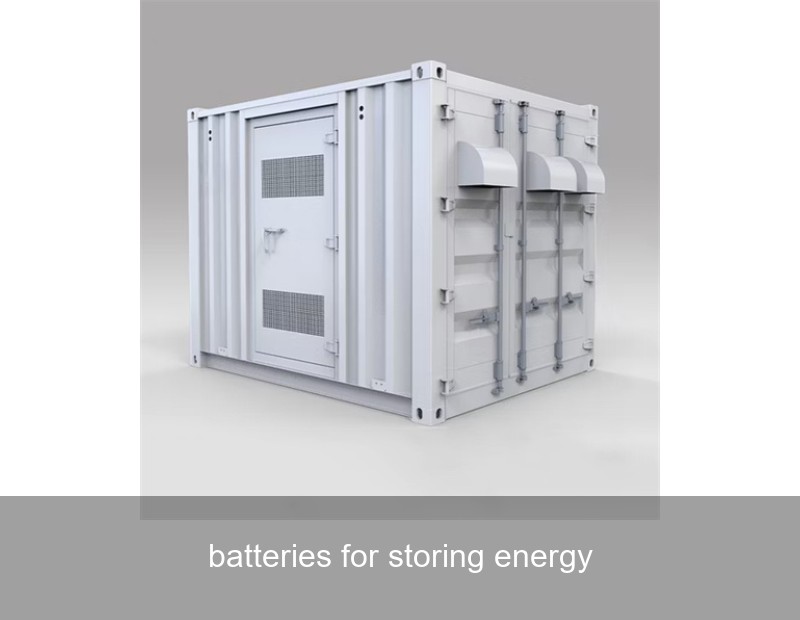
Have you ever watched the sun dip below the horizon and wondered what happens to all that free, clean solar energy your panels were just producing? Or perhaps you've felt a pang of frustration during a power outage, with a home full of "smart" devices rendered useless. This daily phenomenon highlights our modern energy dilemma: generation and consumption are rarely in sync. The solution, increasingly, lies in sophisticated batteries for storing energy. These systems are the linchpin of a resilient, efficient, and sustainable power future, transforming how homes and businesses interact with the grid.
Table of Contents
The Storage Imperative: Beyond Just Backup
For decades, electricity was a one-way service. The grid provided, and we consumed. The explosive growth of intermittent renewables like solar and wind has beautifully disrupted this model, but it introduces a challenge: variability. Batteries for storing energy solve this by acting as a buffer, capturing excess generation for use when it's needed most.
Let's look at the data. In the U.S., the Energy Information Administration (EIA) reports that battery storage capacity has been growing at a staggering rate, projected to double in just a few years. In Europe, driven by ambitious decarbonization goals and energy security concerns, the market is similarly booming. This isn't just about green credentials; it's hard-nosed economics and reliability. For businesses, a single hour of downtime can cost tens of thousands. For homeowners, blackouts mean more than inconvenience—they can disrupt work, safety, and comfort.
The Core Benefits: What Storage Really Delivers
- Energy Bill Savings: Store cheap energy (from your solar panels or off-peak grid rates) and use it during expensive peak hours, a practice known as "peak shaving."
- Backup Power: Provide seamless, instantaneous power during grid outages, keeping essential loads running.
- Grid Support: Advanced systems can help stabilize the local grid, reducing strain and potentially earning revenue through grid services programs.
- Maximizing Renewables: Increase self-consumption of solar power from 30-40% to over 80%, dramatically improving the return on your green investment.
Inside the Modern Battery Energy Storage System (BESS)
When we say "battery," we're no longer talking about a simple cell. A modern Battery Energy Storage System (BESS) is an integrated technological marvel. Think of it as the brain and brawn of your energy ecosystem.
| Component | Function | Why It Matters |
|---|---|---|
| Battery Cells (Li-ion NMC/LFP) | The core energy storage medium, typically Lithium-ion. | LFP (Lithium Iron Phosphate) chemistry, used in many systems today, offers superior safety, longevity, and is cobalt-free. |
| Battery Management System (BMS) | Monitors cell voltage, temperature, and state of charge. | Ensures safety, maximizes battery life, and prevents damage from overcharging or deep discharge. |
| Power Conversion System (PCS) | The inverter/charger that converts DC battery power to AC for your home/business. | High-efficiency conversion is key to minimizing energy loss. Advanced models allow for seamless grid isolation during outages. |
| Energy Management System (EMS) | The intelligent software brain that controls charging and discharging. | This is where the magic happens. A smart EMS learns your patterns, responds to grid signals, and optimizes for savings or resilience. |
The choice of chemistry is crucial. While early adopters often saw NMC (Nickel Manganese Cobalt) batteries, the trend is decisively shifting toward LFP for stationary storage. Why? LFP chemistry is inherently more stable (less prone to thermal runaway), boasts a longer cycle life (often 6,000+ cycles), and avoids controversial materials like cobalt. For a home or business that needs a system to last 15+ years with daily use, LFP's durability and safety profile are winning arguments.

Image: A modern, modular battery storage installation. Source: Unsplash (Representative image)
Real-World Impact: A Case Study from California
Data tells a story, but real-world application seals the deal. Let's examine a commercial case in California, a leader in both solar adoption and grid challenges.
The Challenge: A mid-sized winery in Napa Valley faced two major issues: crippling peak demand charges from their utility (sometimes making up 50% of their bill) and the threat of proactive Public Safety Power Shutoffs (PSPS) during fire season, which could ruin temperature-sensitive fermentation batches.
The Solution: The winery installed a 250 kW / 500 kWh battery storage system coupled with an existing solar array. The system was programmed for daily peak shaving and automatic backup.
The Results (Quantified Impact):
- Financial: Reduced peak demand charges by 40%, yielding an annual savings of over $28,000.
- Reliability: During a 36-hour PSPS event, the battery system kept critical cooling, fermentation control, and security systems online, preventing an estimated $120,000 in product loss.
- Sustainability: Increased on-site consumption of solar power from 35% to 90%, significantly reducing their carbon footprint.
This case, documented in a National Renewable Energy Laboratory (NREL) report on commercial storage, illustrates the multi-faceted value proposition of modern batteries for storing energy. It's not a single-benefit purchase; it's a strategic asset.
Choosing the Right System for Your Needs
Selecting a storage system isn't one-size-fits-all. Your priorities define the solution.
- For the Homeowner: Focus is often on backup power for essentials and maximizing solar self-consumption. Key questions: What do you need to power during an outage (fridge, lights, internet, medical equipment)? How much solar excess do you typically produce?
- For the Business Owner: The calculus is dominated by economics—reducing demand charges and avoiding downtime. A detailed analysis of your utility bill is the first step.
- For Microgrids & Utilities: Scale and grid-services capabilities (like frequency regulation) become paramount, requiring utility-grade equipment and sophisticated control software.
Highjoule's Intelligent Storage Solutions
This is where Highjoule's nearly two decades of expertise comes to the fore. Since 2005, we've evolved from a pioneer to a global leader, designing batteries for storing energy that are not just hardware, but intelligent energy platforms.
Our flagship product lines, like the Highjoule H-Series for commercial/industrial use and the integrated Highjoule Home Energy Hub, are built on LFP chemistry and feature our proprietary Adaptive Charge IQ software. This EMS doesn't just react; it predicts. By integrating weather forecasts, utility rate schedules, and your historical usage, it makes real-time decisions to optimize for your goals—whether that's lowest cost, highest resilience, or greenest footprint.
For a dairy farm in Germany, a Highjoule C&I system manages milking parlor loads to avoid grid upgrade costs. For a suburban community in Texas, our residential hubs form a virtual power plant, providing collective grid stability. Our systems are designed for the long haul, with modular architecture that allows capacity to grow with your needs.

Image: Monitoring and management of a large-scale energy storage system. Source: Unsplash (Representative image)
The Future is a Two-Way Street
The grid of the future is decentralized, interactive, and resilient. Batteries for storing energy are the enabling technology that turns consumers into "prosumers"—active participants in the energy market. With policies like the EU's "Clean Energy for All Europeans" package and the U.S. Inflation Reduction Act's investment tax credits for standalone storage, the economic rationale is stronger than ever.
But technology and policy are only part of the equation. The final piece is a trusted partner who can navigate the complexity and deliver a system tailored to your unique energy profile. It's about moving from simply paying for energy to actively managing a valuable asset.
So, as you look at your next energy bill or consider the reliability of your power supply, ask yourself: Is your energy just a cost, or can it become an investment in control, savings, and sustainability? What would you power first if the grid went down, and what would that certainty be worth to you?
 Inquiry
 Online Chat