


Energy Management Systems: The Intelligent Core of Modern Power Independence
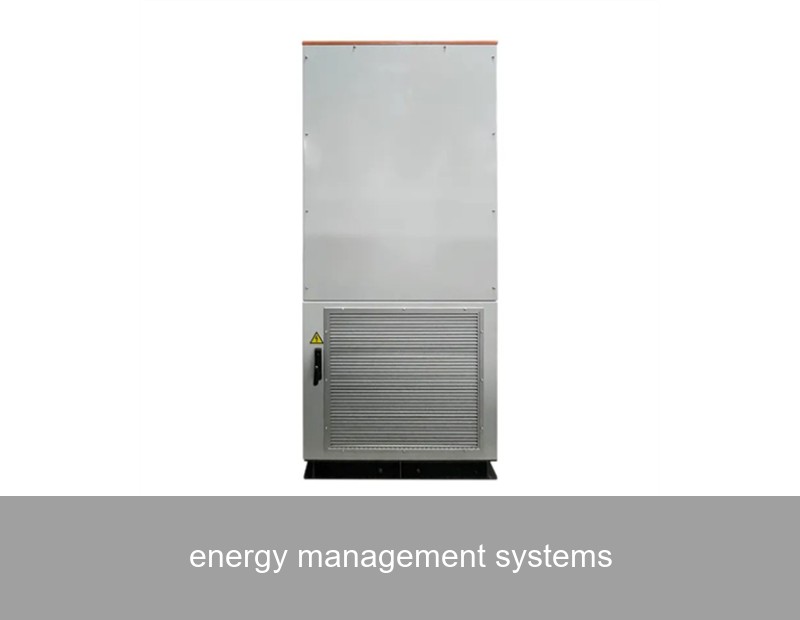
Let's be honest: our relationship with electricity is changing. It's no longer just about flipping a switch and expecting the lights to come on. With rising costs, grid instability, and a growing desire for sustainability, we're moving from passive consumers to active energy managers. This shift is powered by a crucial, yet often overlooked, technology: the Energy Management System (EMS). Think of it as the conductor of your personal energy orchestra, seamlessly coordinating solar panels, battery storage, and grid power to create a symphony of efficiency, savings, and resilience. For nearly two decades, Highjoule has been at the forefront of designing the intelligent brains that make this energy independence possible.
What is an Energy Management System (EMS)?
At its core, an Energy Management System is a sophisticated software and hardware platform that monitors, controls, and optimizes the flow of energy in your home, business, or community microgrid. It's the decision-making hub that sits between your energy sources (like solar, wind, the grid, generators) and your energy loads (appliances, HVAC, machinery).
- Monitor: It provides real-time visibility into every watt of energy you produce, consume, import, or export.
- Control: It can intelligently automate devices—like shifting your EV charging to midday when solar production peaks or shedding non-critical loads during a grid outage.
- Optimize: Using forecasts, weather data, and tariff schedules, it makes predictive decisions to maximize self-consumption, minimize costs, and ensure reliability.
This isn't just a fancy thermostat. A true energy management system integrates with your entire energy ecosystem, turning a collection of hardware into a responsive, intelligent network.
The Modern Power Dilemma: Why EMS is No Longer Optional
The need for intelligent energy management isn't theoretical; it's driven by concrete, global challenges.
The Phenomenon: Homeowners with solar panels often face the "duck curve" problem—producing excess energy midday only to buy it back from the grid at high rates in the evening. Businesses grapple with demand charges that can make up 50% of their electricity bill, and everyone is experiencing more frequent and longer grid outages.
The Data: According to the U.S. Energy Information Administration, the average U.S. homeowner experienced over 8 hours of power interruptions in 2021. In Europe, wholesale electricity prices have seen unprecedented volatility. Simply having a solar array or a battery isn't enough; without an EMS, you're leaving significant savings and security on the table.
The Highjoule Difference: Intelligence Built-In
This is where Highjoule's philosophy stands out. We believe storage hardware is only as good as the intelligence that governs it. Our Highjoule Horizon EMS platform isn't an add-on—it's the foundational intelligence embedded in our commercial and residential battery storage systems. It doesn't just react; it learns your patterns, integrates weather forecasts, and aligns with dynamic energy tariffs to make proactive decisions that protect your operations and your wallet.
How a Smart EMS Works: The Brain Behind Your Power
Let's break down the logical steps a system like the Highjoule Horizon EMS follows to master your energy use.
| Step | Action | Real-World Example |
|---|---|---|
| 1. Data Acquisition | Continuously collects data from meters, inverters, weather APIs, and grid signals. | Sees that solar production is exceeding home consumption at 11 AM. |
| 2. Analysis & Forecasting | Analyzes historical use, cross-references with a forecast for cloudy afternoon, and checks utility time-of-use rates. | Predicts a need for stored power after 6 PM when rates peak and solar is gone. |
| 3. Optimization & Dispatch | Executes an optimized strategy based on your priorities (e.g., cost-saving, carbon reduction, backup). | Diverts excess solar to charge the battery instead of exporting it at a low rate, preserving it for the expensive evening peak. |
| 4. Reporting & Adaptation | Provides clear insights and adapts strategies over time as your habits or energy markets change. | Shows you a weekly report of energy cost savings and suggests further optimizations. |

Image: A modern energy management dashboard provides clarity and control. Source: Unsplash
Real-World Impact: A Case Study from California
Data tells a story, but real-world results seal the deal. Consider a medium-sized winery in Sonoma County, California—a region prone to Public Safety Power Shutoffs (PSPS) to prevent wildfires.
The Challenge: The winery needed to protect its critical refrigeration tanks during frequent multi-day grid outages. A standard backup generator was noisy, emitted pollutants, and required constant fuel. They also wanted to reduce steep demand charges and leverage their existing rooftop solar.
The Solution with Highjoule: The winery installed a Highjoule C&I (Commercial & Industrial) battery storage system with the integrated Horizon EMS. The system was programmed with multiple objectives:
- Priority 1: Ensure 72+ hours of backup for critical refrigeration.
- Priority 2: "Peak shave" by discharging the battery during the utility's highest demand periods, slashing demand charges.
- Priority 3: Maximize self-consumption of solar energy.
The Results (18-Month Period):
- Reliability: Successfully navigated 12 grid outages totaling over 140 hours with zero spoilage.
- Financial: Reduced overall electricity costs by 34%, with demand charge reductions accounting for most of the savings.
- Sustainability: Increased on-site consumption of solar power from 35% to over 80%, significantly reducing grid carbon footprint.
The energy management system was the key. It automatically switched between grid-tied optimization and islanded backup mode without human intervention, ensuring both profits and product were protected.
Choosing the Right EMS for Your Home or Business
Not all energy management systems are created equal. When evaluating a solution, ask these critical questions:
- Is it Open or Proprietary? Can it integrate with your existing or future solar, EV charger, and appliances? Highjoule's platform is built on open standards, ensuring future-proof flexibility.
- What's the Core Intelligence? Does it use simple time-based rules or advanced, forecast-driven optimization? Look for predictive capabilities.
- How is it Delivered? Is it a cloud-based platform with easy remote updates and monitoring, like the Horizon EMS portal, or a static local device?
- What are the Key Features? Ensure it supports your specific goals, whether that's participating in a Virtual Power Plant (VPP) program, tracking carbon metrics, or managing complex tariff structures.
Highjoule's Service Ecosystem
Our commitment extends beyond the box. We provide comprehensive energy management services, including system design consultation, remote performance monitoring, and software updates that continuously enhance your system's capabilities over its lifetime. For our commercial partners, we offer detailed energy analytics reporting to support ESG (Environmental, Social, and Governance) goals.
The Future of Energy is Managed
As we move towards grids powered by variable renewables, the role of the energy management system evolves from a private optimization tool to a critical grid resource. Imagine thousands of Highjoule systems aggregated into a Virtual Power Plant, automatically providing stability and capacity to the local grid during times of stress—all while earning revenue for their owners. The future is not just about generating clean energy; it's about managing it with profound intelligence.

Image: Large-scale renewables make grid-scale energy management essential. Source: Unsplash
What's the first energy challenge you would task an intelligent Energy Management System to solve for you—is it eliminating those frustrating demand charges, guaranteeing peace of mind during storm season, or taking a definitive step towards your net-zero target?
 Inquiry
 Online Chat