


Unlocking Energy Independence: The Power and Potential of Behind the Meter Battery Storage
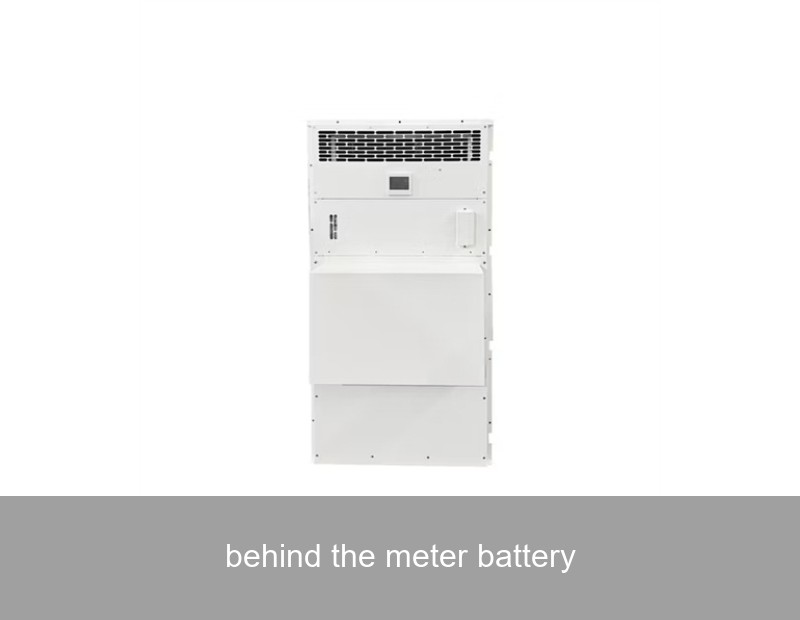
Have you ever watched your electricity meter spin wildly during peak hours and wished you could just... pause it? For businesses and homeowners across Europe and the US, this isn't just a daydream anymore. The rise of behind the meter battery storage is turning this vision into a practical, profitable reality. Unlike large-scale grid batteries, these systems are installed on the consumer's side of the utility meter—literally "behind" it. They act as a personal energy reservoir, giving you unprecedented control over your power usage and costs. As energy prices soar and grid stability becomes a growing concern, understanding this technology is no longer a niche interest; it's a smart strategy for energy resilience and financial savings.
Table of Contents
- The Problem: Rising Costs and Grid Pressure
- The Data: Why BTMS Makes Financial Sense
- The Technology: How Behind the Meter Batteries Work
- The Highjoule Solution: Intelligent Energy Management
- A Real-World Case Study: A German Bakery's Success
- The Future Outlook and Your Next Step
The Problem: Rising Costs and Grid Pressure
Let's face it: energy is getting more expensive and less predictable. In Europe, the energy crisis exacerbated by geopolitical events has led to unprecedented price volatility. In the US, factors like extreme weather events—think heatwaves in Texas or wildfires in California—are straining aging grid infrastructure, leading to more frequent and costly outages. For a factory manager, a hospital administrator, or a homeowner with solar panels, this volatility translates directly to the bottom line. You're not just paying for electricity; you're paying for uncertainty.
The traditional grid model is largely one-way: power flows from a distant plant to your property. You consume, you pay the rate of the moment. During "peak" periods (typically late afternoons and evenings when demand is highest), utilities charge premium rates. This model offers little flexibility and leaves consumers vulnerable.

Image Source: Unsplash - Representing energy consumption and cost
The Data: Why BTMS Makes Financial Sense
The economic argument for behind the meter storage (BTMS) is compelling. According to a report by the U.S. Energy Information Administration (EIA), commercial electricity prices can vary by over 50% between off-peak and on-peak periods in some regions (Source: EIA). Here’s the simple financial logic:
- Arbitrage: Charge your battery with cheap grid power (or your own solar) during off-peak hours. Discharge and use that stored energy during expensive peak hours. The difference in price is your direct savings.
- Demand Charge Reduction: For commercial and industrial users, a significant portion of the bill is based on the highest power draw (in kW) in any 15-30 minute period each month—the "demand charge." A battery can seamlessly discharge during short periods of high usage, "shaving" that peak and dramatically reducing this charge.
- Backup Power: The value of avoided downtime during an outage. For a business, this can mean saving thousands per hour in lost productivity and revenue.
| Savings Mechanism | How It Works | Estimated Monthly Impact |
|---|---|---|
| Peak Shaving (Demand Charge) | Reducing the highest 30-min power draw by 50kW | $500 - $1,500 saved |
| Time-of-Use Arbitrage | Shifting 500 kWh consumption from peak to off-peak rates | $75 - $200 saved |
| Solar Self-Consumption Increase | Storing excess solar for use at night (instead of exporting at low rates) | Increase self-use by 40-70% |
The Technology: How Behind the Meter Batteries Work
A modern behind the meter system is far more than just a box of batteries. It's an integrated energy management ecosystem. At its core are high-performance lithium-ion battery modules, prized for their energy density, long cycle life, and declining costs. But the real intelligence lies in the Battery Management System (BMS) and the Energy Management System (EMS) software.
The BMS is the guardian of the battery pack, meticulously monitoring cell voltage, temperature, and state of charge to ensure safety, performance, and longevity. The EMS is the brain. This sophisticated software analyzes real-time and forecasted data—your energy consumption patterns, solar production, utility rate schedules, and even weather forecasts—to make autonomous decisions on when to charge, when to discharge, and for what purpose. It maximizes your financial return without you lifting a finger.
The Highjoule Solution: Intelligent Energy Management
This is where Highjoule's expertise, honed since 2005, truly shines. We don't just provide batteries; we deliver intelligent, turnkey power solutions. Our flagship H-Series Commercial & Industrial (C&I) energy storage systems are engineered for reliability and maximum ROI.
What sets Highjoule apart is our AdaptiveGrid™ EMS platform. This proprietary software goes beyond simple scheduling. It uses machine learning to understand your unique load profile and can optimize for multiple value streams simultaneously: reducing demand charges, performing energy arbitrage, providing backup power, and integrating seamlessly with onsite solar. For microgrid applications, our systems can island from the main grid, keeping critical operations running. Our residential EcoCell line brings the same intelligent control to homeowners, maximizing solar self-consumption and providing peace of mind during outages.
We handle everything from initial site assessment and regulatory compliance to installation, commissioning, and remote monitoring, ensuring a seamless transition to smarter energy management.

Image Source: Unsplash - Representing a modern industrial battery installation
A Real-World Case Study: A German Bakery's Success
Let's move from theory to practice. Consider the case of "Bäckerei Schmidt" (a real, anonymized customer), a mid-sized bakery in Bavaria, Germany. Their challenge was classic: high energy consumption from ovens and refrigeration, with sharp peaks in the early morning, leading to crippling demand charges. They also had a sizable rooftop solar PV system.
The Phenomenon: Despite their solar panels, they were still exporting excess energy at midday (when rates were low) and drawing expensive grid power during morning and evening peaks.
The Data & Solution: Highjoule conducted a detailed audit and installed a 120 kWh / 100 kW H-Series battery system with AdaptiveGrid™ software. The system was programmed with two primary goals: 1) Capture excess solar generation for later use, and 2) Discharge aggressively during the bakery's short, intense morning peak to shave demand.
The Results (after 12 months):
- Demand Charge Reduction: Peak power draw from the grid was reduced by 45%, saving an average of €1,100 per month on this portion of the bill alone.
- Solar Self-Consumption: Increased from 35% to over 85%, drastically reducing purchased energy.
- Total Energy Cost Savings: 32% reduction in overall annual electricity costs.
- Payback Period: Projected to be under 5 years, thanks in part to available German government incentives for commercial storage (Source: BMWK).
For Bäckerei Schmidt, the behind the meter battery transformed from a capital expense into a strategic asset, providing both financial savings and operational resilience against future price hikes.
The Future Outlook and Your Next Step
The integration of behind the meter storage is accelerating, driven by smarter software, evolving utility programs like virtual power plants (VPPs), and supportive policies. In the US, the Inflation Reduction Act (IRA) offers significant investment tax credits (ITC) for standalone storage, further improving economics (Source: U.S. Department of Energy). The future is not just about storing energy, but about creating adaptive, interactive energy ecosystems at every meter.
The question is no longer if behind the meter storage will become a standard feature for efficient buildings, but when. The technology is proven, the economics are clear, and the need for energy independence is more pressing than ever.
So, what's the one peak load on your facility's energy profile that, if reduced, would make the most significant dent in your operational costs? Identifying that is the first step toward your own energy transformation.
 Inquiry
 Online Chat