


Placas Fotovoltaicas para Calefacción: A Smart Guide to Solar-Powered Warmth
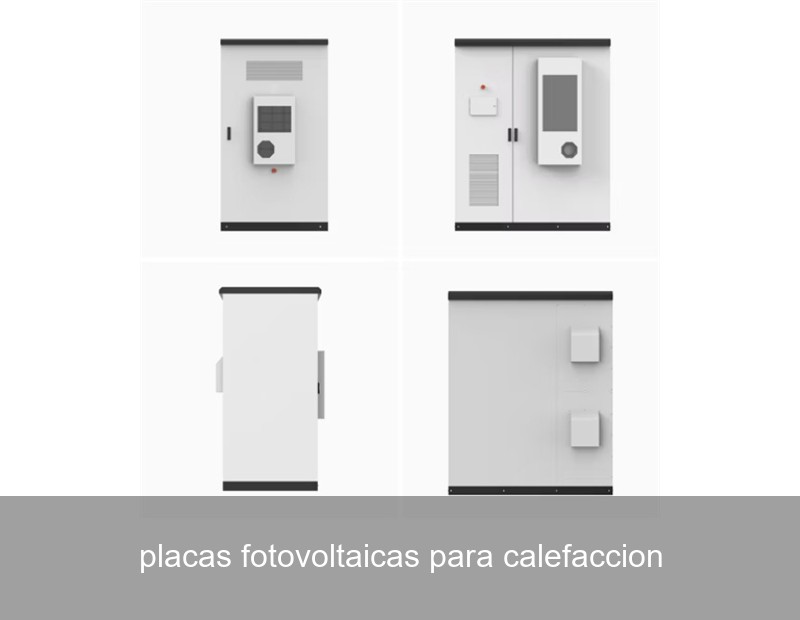
Imagine your home, cozy and warm in the heart of winter, heated not by expensive gas or oil, but by the clean, abundant energy of the sun. This is the powerful promise of using placas fotovoltaicas para calefacción (photovoltaic panels for heating). For homeowners in Europe and the U.S., this concept is moving from a niche idea to a mainstream solution, driven by rising energy costs and a collective push for sustainability. But how does it actually work? Is it efficient? In this guide, we'll demystify solar-powered heating, explore its real-world potential, and show how integrating smart storage is the key to unlocking true energy independence and comfort.
Table of Contents
- The Phenomenon: From Sunlight to Home Heat
- The Data: Why PV Heating Makes Financial Sense
- The Case Study: A Real-World Success in Germany
- The Key Insight: The Indispensable Role of Storage
- The Highjoule Solution: Intelligent Energy Management
- Your Path to Implementation
The Phenomenon: From Sunlight to Home Heat
Traditionally, home heating has been a separate system from electricity generation. We burn fuels in a furnace or run a heat pump connected to the grid. Placas fotovoltaicas para calefacción flips this model. Here’s the simple logic: photovoltaic (PV) panels on your roof generate direct current (DC) electricity from sunlight. This is converted to alternating current (AC) by an inverter, powering your home. Now, instead of sending all excess power back to the grid, you can direct it specifically to your heating system.
This can be achieved in several ways:
- Powering Electric Heat Pumps: This is the most efficient combination. A heat pump uses electricity to move heat from the outside air or ground into your home. It can deliver 3-4 units of heat for every 1 unit of electricity used. When powered by your solar panels, its efficiency soars, drastically cutting operating costs.
- Direct Electric Heating Elements: For homes with electric boilers or underfloor heating, solar PV can directly offset the electricity these systems consume.
- Smart Diversion to Water Heaters: Devices like solar diverters can send excess solar generation to an immersion heater in your hot water cylinder, providing free hot water for radiators or domestic use.
The core challenge? Sunlight is abundant during the day, but heating demand often peaks in the early morning and evening. This mismatch is the central puzzle we must solve.
The Data: Why PV Heating Makes Financial Sense
Let's look at the numbers. According to the International Energy Agency (IEA), heating accounts for nearly half of global final energy consumption in buildings. In Europe, households spent between 4% and 8% of their average consumption expenditure on energy in 2022, with heating being the largest portion.
Now, consider the plummeting cost of solar. The U.S. Department of Energy's National Renewable Energy Laboratory (NREL) reports that the cost of solar PV has dropped by over 70% in the last decade. When you pair this with rising fossil fuel prices, the payback period for a system designed to offset heating costs becomes increasingly attractive. A well-sized solar array can cover a significant portion of a heat pump's annual electricity consumption, leading to decades of reduced utility bills and insulation from price volatility.
| Heating System | Typical Annual Running Cost (Example) | Potential Savings with Solar PV Support* |
|---|---|---|
| Oil/Gas Boiler | $1,800 - $2,500 | Moderate (reduces auxiliary electrical load) |
| Air-Source Heat Pump | $800 - $1,200 (electricity cost) | High (can reduce electricity bill by 50-70%) |
| Direct Electric Heating | $2,000 - $3,000+ | Very High (directly offsets most expensive power) |
*Savings are illustrative and depend on system size, location, and energy use patterns.
The Case Study: A Real-World Success in Bavaria
Let's move from theory to practice. Consider the Müller family home in Bavaria, Germany—a region known for its cold winters. In 2021, they replaced their aging oil boiler with an air-to-water heat pump and installed a 12 kW rooftop solar array. Their goal was simple: achieve carbon-neutral heating.
The system was designed with a critical component: a 15 kWh Highjoule residential battery storage system. Here’s what happened over the first full year:
- Solar Generation: 11,200 kWh
- Home & Heat Pump Consumption: 10,800 kWh
- Grid Import (mostly in winter): 1,900 kWh
- Grid Export (surplus in summer): 2,300 kWh
- Self-Consumption Rate: 78% (meaning 78% of the solar power was used directly in the home)
The Highjoule battery was the linchpin. It stored excess solar energy from the afternoon to power the home and heat pump through the evening, dramatically reducing grid draw during peak tariff hours. The family's annual energy cost for heating, cooling, and all household electricity dropped by over 65%. Their case clearly shows that placas fotovoltaicas para calefacción are not just a summer solution; with the right storage, they become a year-round energy strategy.

Image Source: Unsplash (Representative image of a modern home with solar and heat pump)
The Key Insight: Storage is Not Optional, It's Essential
The Bavarian case study highlights the undeniable truth: to truly harness placas fotovoltaicas para calefacción, you need a buffer. That buffer is a battery energy storage system (BESS). Think of it this way: your solar panels are a prolific spring, producing the most water in the middle of the day. Your heating demand is a thirsty field that needs water most at dawn and dusk. Without a reservoir (the battery), most of that precious water flows away unused.
A high-quality BESS like those from Highjoule allows you to:
- Maximize Self-Consumption: Store daytime solar surplus for use at night, aligning production with consumption.
- Provide Backup Power: Keep your heat pump and essential loads running during a grid outage—a critical feature for winter resilience.
- Optimize for Time-of-Use Rates: In many U.S. and European markets, electricity is cheaper at night. A smart system can charge from the grid at low rates to supplement solar, then discharge during expensive peak periods.
The Highjoule Solution: Intelligent Energy Management
This is where Highjoule's expertise becomes crucial. We don't just sell batteries; we provide integrated energy solutions. For a homeowner investing in placas fotovoltaicas para calefacción, our ResiCore Energy Stack is the brain of the operation. It's an advanced inverter and energy management system that seamlessly coordinates between your solar panels, battery storage, heat pump, and the grid.
Our system uses predictive algorithms based on weather forecasts and your usage patterns. It answers questions like: "Should I charge the battery with solar today because a cold, cloudy day is coming tomorrow?" or "Is it cheaper to run the heat pump now from the battery, or wait an hour for more solar?" This intelligent orchestration ensures every kilowatt-hour you produce is used in the most efficient, cost-effective way possible, making your solar heating investment work harder.

Image Source: Unsplash (Representative image of home energy storage monitoring)
Your Path to Implementation: Key Considerations
Ready to explore solar-powered heating for your home? Here’s a practical roadmap:
- Energy Audit: Understand your current heating demand. Look at your past utility bills, focusing on winter months. This will help size your system correctly.
- Home Efficiency First: Ensure your home is well-insulated. Heating a leaky house with solar is an uphill battle.
- System Sizing: Work with a qualified installer to design a PV system that covers a significant portion of your annual electricity consumption, including the heat pump's expected draw. Oversizing slightly to account for future needs (like an electric vehicle) is often wise.
- Storage Sizing: Pair your PV array with a correctly sized battery. A good installer will model your load profile to recommend a storage capacity (e.g., 10-20 kWh) that maximizes self-consumption and provides meaningful backup.
- Choose an Integrated Partner: Seek out providers, like Highjoule and our network of certified installers, who offer a cohesive system—solar, storage, and intelligent management—designed to work harmoniously together from the start.
Beyond the Home: Highjoule's Broader Mission
While we've focused on residential applications, Highjoule's advanced storage solutions scale from single homes to large commercial, industrial, and microgrid projects. The same principle applies: intelligently storing renewable energy to displace fossil fuels, increase resilience, and manage costs. Whether it's a factory using solar thermal and PV for process heat, or an entire community microgrid, our technology provides the foundation for a sustainable energy future.
So, as you contemplate the shift to a warmer, more sustainable home, we leave you with this question: What's the first step you'll take to understand how solar energy could power not just your lights, but the very comfort of your home?
 Inquiry
 Online Chat