


Finding the Right BESS for Sale in Zimbabwe: A Guide to Powering Progress
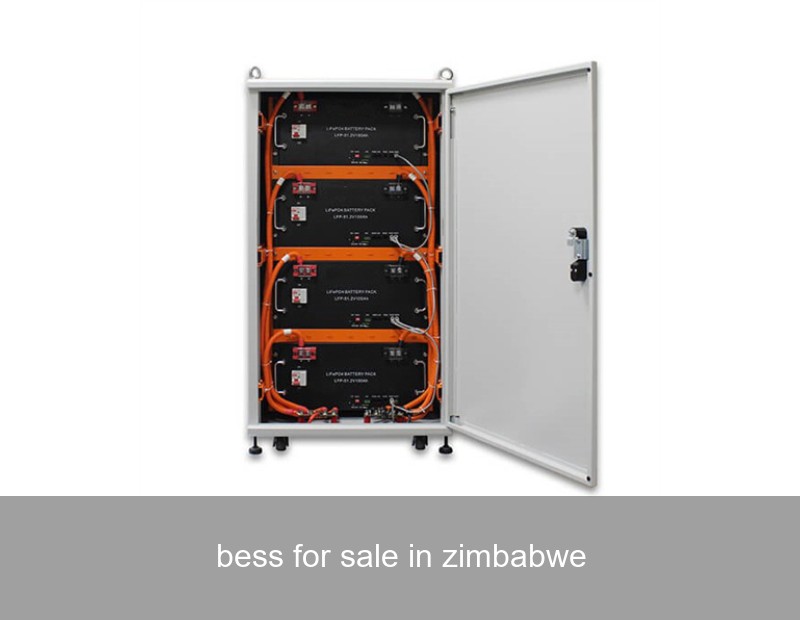
Imagine a farm in Mashonaland, a clinic in Matabeleland, or a growing business in Harare. Now, imagine them operating with consistent, clean, and reliable power, independent of an unpredictable grid. This is no longer just a vision; it's an achievable reality for Zimbabwe, and the key technology enabling it is the Battery Energy Storage System (BESS). For businesses, communities, and industrial operations across the nation, finding the right BESS for sale in Zimbabwe is becoming a critical step towards energy security and economic resilience. This article will explore why BESS is a game-changer for Zimbabwe, what to look for when sourcing one, and how global expertise can help navigate this vital investment.
Table of Contents
- The Power Problem: More Than Just Load-Shedding
- Why BESS? The Data Behind the Solution
- Case Study: Solar + Storage for a Zimbabwean Agricultural Business
- Choosing the Right BESS: Key Technical Considerations
- Highjoule's Role: Bringing Global BESS Expertise to Zimbabwe
- Your Next Step Towards Energy Independence
The Power Problem: More Than Just Load-Shedding
Zimbabwe's energy challenges are well-documented. While load-shedding is the most visible symptom, the underlying issues are complex: an aging grid infrastructure, fluctuating water levels affecting hydropower, and the high cost of diesel generation. This instability isn't just an inconvenience; it's a direct threat to productivity, healthcare, food security, and investment. The traditional response—diesel generators—offers a temporary fix but locks users into volatile fuel costs, noise pollution, and high carbon emissions. There's a clear need for a smarter, sustainable bridge to a stable energy future.
Why BESS? The Data Behind the Solution
A Battery Energy Storage System is far more than just a big battery. It's an intelligent platform that stores electrical energy for use at a later time. When paired with renewable sources like solar PV—abundant in Zimbabwe—it creates a potent, off-grid or grid-supportive solution. Let's look at the compelling data:
- Cost Plunge: The global cost of lithium-ion battery packs has plummeted by over 90% since 2010, making large-scale storage economically viable (BloombergNEF, 2020).
- Solar Synergy: Zimbabwe boasts an average of over 3,000 hours of sunshine annually. A BESS captures excess solar energy produced during the day, making it available at night, effectively turning sunlight into 24/7 power.
- ROI Beyond Backup: Modern BESS can perform multiple revenue or cost-saving functions: peak shaving (reducing expensive grid demand charges), frequency regulation, and seamless backup during outages.

Image: A solar-plus-storage installation. Source: Unsplash (Representative image)
Case Study: Solar + Storage for a Zimbabwean Agricultural Business
Consider "GreenShoots Agro," a hypothetical but representative horticultural export company in Zimbabwe. Facing 8-hour daily grid outages, they relied on diesel generators to power irrigation pumps, cold storage, and packing facilities, spending over $15,000 monthly on fuel.
In 2023, they invested in a tailored 500kW solar PV array coupled with a 1MWh BESS. The results after one year:
| Metric | Before BESS | After BESS |
|---|---|---|
| Grid/Diesel Reliance | ~80% | <10% (grid support only) |
| Monthly Energy Cost | >$18,000 | $2,500 (grid maintenance fees) |
| Carbon Footprint | ~120 tonnes CO2/month | ~5 tonnes CO2/month |
| Cold Storage Uptime | ~85% | 99.9% |
The system paid for itself in under 4 years. More importantly, it guaranteed product quality, fulfilled export contracts requiring cold-chain integrity, and allowed the business to plan and grow with confidence. This is the transformative power of a correctly sized and integrated BESS.
Choosing the Right BESS: Key Technical Considerations
Not all BESS are created equal. Sourcing a BESS for sale in Zimbabwe requires careful evaluation beyond just price per kWh. Here’s what you should ask:
- Battery Chemistry: Lithium Iron Phosphate (LFP) is now the dominant chemistry for stationary storage due to its superior safety, longer cycle life (often 6,000+ cycles), and tolerance to higher temperatures—a crucial factor for Zimbabwe's climate.
- Depth of Discharge (DoD): A quality BESS allows a high DoD (e.g., 90%) without significantly degrading battery life, meaning you can use more of the stored energy you paid for.
- Integrated Energy Management System (EMS): The brain of the system. A smart EMS optimizes charging/discharging based on solar production, consumption patterns, and tariff schedules to maximize savings and battery longevity.
- Scalability & Modularity: Can the system start small and grow as your needs expand? Modular designs offer future-proofing and easier maintenance.
- Robustness & Service: Does the provider offer remote monitoring and local technical support? Access to spare parts and expert diagnostics is non-negotiable for mission-critical power.
Highjoule's Role: Bringing Global BESS Expertise to Zimbabwe
This is where a global leader like Highjoule makes a decisive difference. With nearly two decades of experience since 2005, Highjoule doesn't just sell hardware; we deliver intelligent, integrated power solutions. For clients in Zimbabwe and across Africa, we provide:
- Highjoule HPS Series: Our flagship commercial & industrial BESS, built with LFP chemistry and featuring our proprietary Adaptive EMS. These containerized or skid-mounted solutions are pre-engineered for resilience and easy deployment, even in remote locations.
- End-to-End Project Support: From initial site assessment and financial modeling to system design, commissioning, and long-term performance monitoring via our cloud-based platform. We ensure the system is optimized for Zimbabwean conditions.
- Focus on Sustainability & ROI: Every Highjoule system is designed to maximize return on investment through intelligent software that learns and adapts to your energy profile, ensuring you get the most out of your solar and storage assets.
Think of us as your partner in energy independence. We combine world-class technology with a deep understanding of the challenges and opportunities in emerging markets like Zimbabwe.

Image: Technical monitoring of a BESS. Source: Unsplash (Representative image)
Beyond Backup: The Grid-Supportive Potential
Looking ahead, BESS installations across Zimbabwe can do more than power individual sites. Aggregated, they can form virtual power plants (VPPs) that provide stability services to the national grid, a concept explored by leading energy agencies (IEA). This creates a potential future revenue stream for BESS owners and contributes to national energy security—a win-win scenario.
Your Next Step Towards Energy Independence
The journey to securing a reliable BESS for sale in Zimbabwe begins with a clear understanding of your own energy profile. How many kWh do you consume during outages? What is your peak power demand (in kW)? What are your most critical loads? Answering these questions is the first step.
As you explore your options, consider this: Is your goal simply to purchase a battery, or is it to achieve guaranteed, cost-effective, and sustainable power for the next decade and beyond? The technology is proven, the economics are compelling, and the need is urgent.
What would uninterrupted power allow you to achieve, create, or build in your community or business in Zimbabwe?
 Inquiry
 Online Chat