


The All-in-One Battery System: Your Simplified Path to Energy Independence
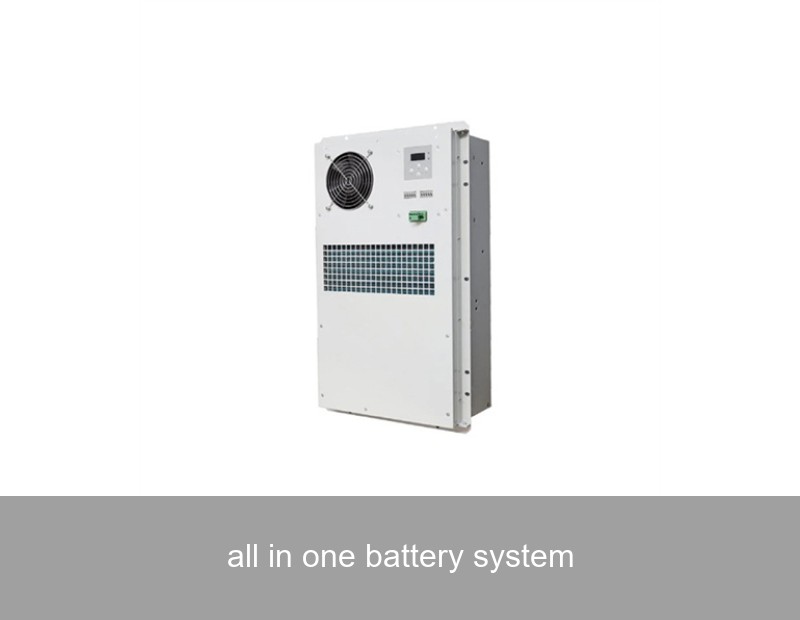
If you've been researching solar panels or worrying about rising electricity bills, you've likely encountered the term "all in one battery system." But what exactly does it mean, and why is it becoming the go-to choice for homeowners and businesses across Europe and the U.S.? Simply put, it's the game-changer that consolidates the core components of energy storage—the battery, inverter, charger, and often smart management software—into one sleek, pre-engineered unit. Gone are the days of complex, piecemeal installations. This integrated approach, championed by industry leaders like Highjoule, is revolutionizing how we store and use renewable energy, making resilience and self-sufficiency more accessible than ever.
The Energy Challenge: From Phenomenon to Solution
Let's face it: our energy landscape is shifting. The phenomenon is clear—we see more extreme weather events causing grid outages, volatile energy prices straining budgets, and a collective push towards sustainable living. The data underscores this urgency. In the U.S. alone, the number of power outages lasting more than an hour has increased significantly over the past decade. Meanwhile, in Europe, electricity prices for households in the first half of 2023 remained over 40% higher than pre-energy crisis levels, according to Eurostat.
This creates a pressing need for a reliable, self-contained solution. The traditional approach involved sourcing a battery, a separate inverter, a charge controller, and other balance-of-system components, then hoping they all communicated flawlessly. It was expensive, space-consuming, and required specialized expertise. The modern all-in-one battery system emerges as the direct answer to this complexity, offering a plug-and-play philosophy that simplifies the journey from grid dependence to energy intelligence.

Image Source: Unsplash - A clean, integrated energy storage unit.
Anatomy of a Modern All-in-One System: More Than Just a Battery
Think of an all-in-one battery system as the heart and brain of your personal energy ecosystem. Its integrated design is key to its performance and ease of use. Here’s what’s typically inside that compact cabinet:
- Lithium-Ion Battery Bank: The core energy reservoir, using advanced LiFePO4 chemistry for safety, longevity (often 6,000+ cycles), and stable performance.
- Hybrid Inverter: This intelligent device performs multiple duties: converting DC solar power to AC for your home, converting AC grid power to DC to charge the battery, and managing the flow between all sources seamlessly.
- MPPT Charge Controller: Maximizes the harvest from your solar panels by constantly finding the optimal voltage and current to charge the battery.
- Integrated Energy Management System (EMS): The true "brain." This software platform allows you to set preferences (e.g., "maximize self-consumption," "provide backup during outages"), monitors performance, and can often be controlled via a smartphone app.
- Safety & Protection Systems: Built-in circuit breakers, surge protection, thermal management, and advanced battery management systems (BMS) ensure safe operation 24/7.
| Aspect | Traditional Component System | All-in-One Battery System |
|---|---|---|
| Installation | Complex, multi-vendor, longer timeline | Streamlined, single-unit, faster deployment |
| Footprint | Larger, requires more wall/floor space | Compact, unified design |
| System Compatibility | Potential communication issues between components | Pre-tested, factory-integrated harmony |
| Scalability | Can be modular but complex to expand | Often designed for easy stackability or expansion |
| User Experience | Multiple interfaces to monitor | Single, user-friendly app for monitoring & control |
Real-World Case Study: A German Bakery's Recipe for Resilience
Let's move from theory to practice. Consider "Bäckerei Schmidt," a mid-sized family bakery in Bavaria, Germany. Their challenge was twofold: unpredictable grid reliability affecting their refrigeration and proofing equipment, and high commercial electricity rates cutting into margins. In early 2023, they installed a 50 kWh all-in-one battery system coupled with an existing rooftop solar array.
The results were concrete:
- Energy Cost Reduction: By storing excess solar power generated during the day and using it during peak evening baking hours, they reduced their grid electricity consumption by 68%.
- Business Continuity: During a 5-hour grid outage in November 2023, the system automatically switched to backup power, preventing €15,000 worth of inventory spoilage.
- ROI: Projected payback period is under 7 years, thanks to energy savings and Germany's supportive commercial storage incentives.
The Highjoule Nexus Series: Engineered for Simplicity & Performance
At Highjoule, we've spent nearly two decades refining the integrated storage concept. Our Nexus Series embodies the pinnacle of the all-in-one battery system philosophy. Designed for both robust residential and demanding commercial applications, the Nexus integrates our proprietary cell technology, a high-efficiency hybrid inverter, and the cloud-based Highjoule Synergy OS into a single, scalable unit.
What sets the Nexus apart is its adaptive intelligence. The system doesn't just store energy; it learns your consumption patterns and local weather forecasts to optimize charging and discharging cycles automatically. For our European and North American customers, this means maximizing self-consumption of solar power under net metering policies or time-of-use rates. The modular design allows capacity to be expanded from 10 kWh to over 100 kWh, ensuring your system grows with your needs. With UL 9540 certification for the U.S. market and full compliance with EU safety directives, the Nexus Series provides peace of mind alongside performance.

Image Source: Unsplash - Rooftop solar paired with integrated storage.
Choosing the Right System for Your Home or Business
Selecting an all-in-one battery system is a significant decision. Here are key factors to guide your choice, drawing from Highjoule's experience deploying thousands of systems:
- Capacity & Power: Analyze your daily energy usage (kWh) and peak power demand (kW). A system like our Nexus 10 might be perfect for a home, while a Nexus 50 or stacked configuration suits a small business.
- Depth of Discharge (DoD): Opt for systems offering 90%+ usable DoD to get the most from your investment.
- Scalability: Can you easily add more battery modules later? Future-proofing is crucial.
- Grid Services & Incentives: In some regions, systems can participate in grid-balancing programs. Ensure your unit is compatible and explore local incentives, like the U.S. Residential Clean Energy Credit or various EU member state grants.
- Brand & Warranty: Choose an established provider with a strong track record and a comprehensive warranty (often 10+ years on the battery). Highjoule's global service network provides long-term support.
The Future of Energy Storage is Integrated
The trend is unmistakable. As noted by research from the International Energy Agency, the declining cost and increasing sophistication of battery storage systems are central to the clean energy transition. The all-in-one battery system is at the forefront of this shift, democratizing access to smart energy management. It transforms the battery from a passive storage device into an active, intelligent hub for your solar production, grid interaction, and home consumption.
We are moving towards a future where every home and business with an all-in-one system becomes a node in a more resilient, decentralized energy grid. The question is no longer if you should consider energy storage, but how seamlessly you can integrate it into your life. What specific energy challenge—be it reliability, cost, or sustainability—is motivating you to explore your options today?
 Inquiry
 Online Chat