


Battery Bank for 5kW Solar System: The Key to True Energy Independence
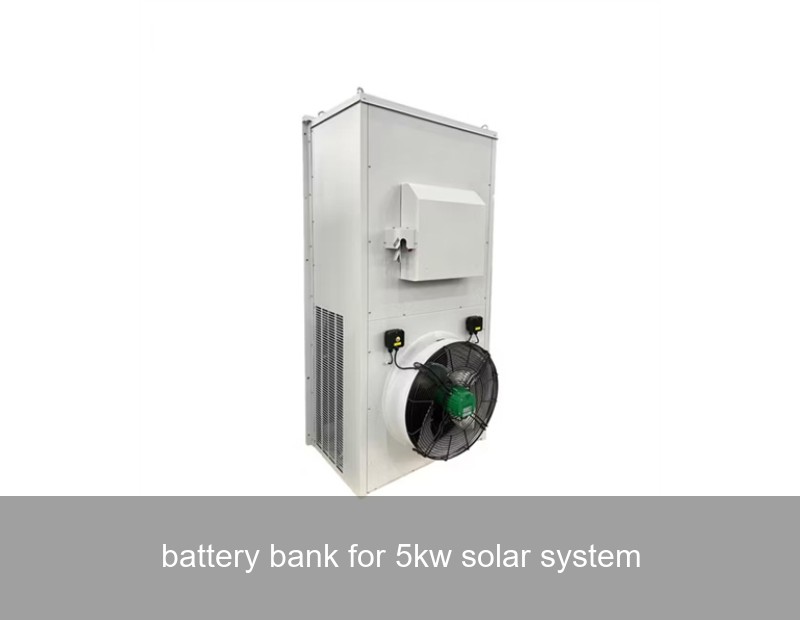
So, you've made the smart decision to install a 5kW solar system. It's a fantastic step towards a sustainable future, significantly cutting your electricity bills and your carbon footprint. But here's a question many homeowners and businesses face: what happens when the sun goes down? The energy you generate during the day often gets exported to the grid for a small feed-in tariff, while you buy it back at night at a much higher retail rate. This is where pairing your system with the right battery bank for a 5kW solar system transforms from an optional upgrade to the heart of a truly intelligent and resilient energy setup. Let's explore how this combination works and what you need to know to maximize your investment.
Table of Contents
Why Add a Battery to Your 5kW Solar System?
Think of your 5kW solar array as a diligent worker producing energy from dawn till dusk. Without a battery, any excess production is sent away, and you're left powerless (literally) once production stops. A battery bank for a 5kW solar system acts as your personal energy reservoir. It stores the surplus solar energy you generate during the day for use in the evening, at night, or during power outages. The benefits are clear:
- Maximize Self-Consumption: Use more of your own cheap, clean solar power, sometimes increasing self-consumption from 30-40% to 70-80% or more.
- Reduce Grid Reliance: Shield yourself from rising electricity prices and volatile energy markets.
- Gain Energy Security: Provide backup power during grid outages, keeping essential appliances running.
- Optimize Financial Returns: In regions with time-of-use tariffs or demand charges (common for businesses), you can avoid drawing power during expensive peak periods.
The economic equation for battery storage is improving every year, driven by falling battery costs and increasing grid electricity prices. According to the U.S. Department of Energy, the levelized cost of solar-plus-storage continues to decline, making it an increasingly attractive investment for long-term savings.
Sizing Your Battery Bank: It's Not Just About Capacity
One of the most common questions is: "How big of a battery bank do I need for a 5kW solar system?" The answer isn't a single number; it depends on your energy goals. Are you aiming for full nighttime energy independence, or just to cover critical loads during an outage?
Let's break down the two key metrics:
- Usable Capacity (kWh): This is the amount of energy the battery can actually store and deliver. For a typical home with a 5kW system, daily generation might average 20-25kWh (depending on location). A battery bank with 10-15 kWh of usable capacity can often cover a significant portion of evening and nighttime usage.
- Power Rating (kW): This determines how much power the battery can deliver at once. If you want to run multiple high-power appliances simultaneously (e.g., air conditioner, oven, well pump), you need a battery with a high continuous power rating, typically 5kW or higher.
| Goal | Recommended Usable Capacity | Key Consideration |
|---|---|---|
| Backup for Essentials (lights, fridge, router) | 5 - 10 kWh | Focus on reliable power delivery during outages. |
| Significant Self-Consumption & Bill Reduction | 10 - 15 kWh | Matches well with daily surplus from a 5kW system. |
| Near-Total Energy Independence | 15+ kWh | May require larger system or careful energy management. |
Key Considerations When Choosing a Battery
Not all batteries are created equal. Beyond capacity and power, here’s what matters:
- Battery Chemistry: Lithium Iron Phosphate (LFP) is now the industry standard for stationary storage, offering superior safety, longevity (often 6,000+ cycles), and stable performance compared to older NMC chemistries.
- Depth of Discharge (DoD): A battery with a 90% DoD means you can safely use 90% of its rated capacity without harming its lifespan.
- Round-Trip Efficiency: How much energy you get out vs. what you put in. A 95% efficient battery loses only 5% of the stored energy to heat and conversion.
- Scalability & Modularity: Can you easily add more battery modules later if your needs change?
- Integrated Energy Management System (EMS): Smart software is crucial. It should learn your usage patterns, optimize charging/discharging based on weather and tariffs, and integrate seamlessly with your solar inverter.

Image: A modern, modular battery bank installation. Source: Unsplash
A Real-World Case Study: The Johnson Residence, California, USA
Let's look at concrete data. The Johnson family in Sacramento installed a 5.2kW solar system in 2020. While their daytime bills plummeted, they were still paying for all nighttime power. In early 2023, they added a 13.5kWh LFP battery bank.
- Grid Import Reduction: Reduced grid electricity purchases by 82%, increasing solar self-consumption from 35% to 89%.
- Bill Impact: Their average monthly electricity bill dropped from $125 to under $20 (mostly grid connection fees).
- ROI & Backup: They are on track to pay off the battery in under 8 years, based on California's high electricity rates. The system also provided 14 hours of backup during a planned utility outage.
This case, mirrored by many across Europe and North America, highlights the tangible value of a correctly sized battery bank for a 5kW solar system. The financial payback is strongest in areas with high electricity costs, poor feed-in tariffs, or incentives like the U.S. Residential Clean Energy Credit.
The Highjoule Solution: Engineered for Performance and Simplicity
At Highjoule, with nearly two decades of expertise in advanced energy storage, we've designed our product line to directly address the needs of 5kW solar system owners. We understand that a battery is a long-term investment, and it must be reliable, safe, and intelligent.
Our Residential Energy Hub (REH) Series is the perfect companion for systems of this scale. Built with premium LFP cells, each modular unit provides 5kWh of usable capacity and can be stacked to create banks from 5kWh to 30kWh. With a high continuous power output of 5kW per unit (and peak power for motor starts), it can handle the simultaneous load of a typical home.
What sets the Highjoule REH apart is its integrated AI-driven energy management platform. Our system doesn't just store and release energy; it forecasts solar production based on local weather data, learns your household's consumption patterns, and automatically chooses the most economical strategy—whether that's maximizing self-use, charging from the grid during super off-peak rates, or holding reserve for a predicted outage.
For commercial or industrial applications with a 5kW solar system (like small shops or remote telecom sites), our Commercial PowerPack (CPP) Series offers robust, high-cycle life storage with advanced monitoring and control for demand charge management.

Image: Smart energy management interface for monitoring solar and battery performance. Source: Unsplash
Installation and Future-Proofing Your System
Professional installation by a certified technician is non-negotiable for safety, performance, and warranty compliance. A good installer will assess your main electrical panel, ensure proper ventilation, and configure the system's software settings to your specific needs.
Looking ahead, consider how your energy needs might evolve. Are you planning to buy an electric vehicle? The ability to add more battery modules or to integrate with EV chargers is a key feature of future-proof systems like Highjoule's. The concept of a home energy ecosystem—where solar, storage, EV, and smart appliances communicate to optimize overall home efficiency—is the future. Choosing a battery system with an open, upgradeable platform ensures you can be part of that evolution.
As grid dynamics change, with more renewables integration creating new grid services markets, your battery could even become a revenue stream in the future through virtual power plant (VPP) programs.
Your Energy, Your Control
The journey to energy independence starts with asking the right questions. We've covered the 'why' and the 'how' of selecting a battery bank for a 5kW solar system. Now, we're curious: What's your primary motivation for considering battery storage—is it financial savings, energy security, environmental impact, or a combination of all three? Understanding your core goal is the first step in designing the perfect system for your home or business.
 Inquiry
 Online Chat