


Choosing the Best Inverter Company for Your Solar System: A Guide to Long-Term Value
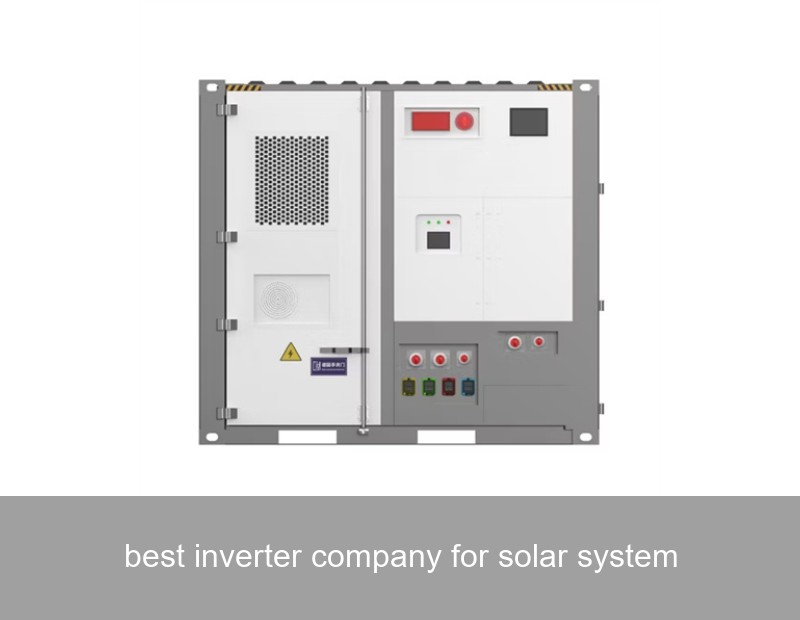
So, you've decided to harness the sun's power. You've researched panels, considered your energy needs, and are ready to invest in a brighter, more sustainable future. But here's a crucial question many homeowners and businesses overlook in their solar journey: have you given enough thought to the best inverter company for your solar system? While solar panels capture the spotlight, the inverter is the true brain of the operation. It's the sophisticated device that silently converts the DC electricity from your panels into usable AC power for your home or business. Choosing the right partner for this critical component isn't just about a product; it's about ensuring reliability, maximizing financial returns, and securing peace of mind for decades.
Table of Contents
Beyond Conversion: The Inverter as the Intelligent Heart
Think of your solar array as a team of hardworking athletes. The inverter is their coach, strategist, and performance analyst all in one. Modern inverters, especially string and hybrid models, do far more than simple DC-to-AC conversion. They perform maximum power point tracking (MPPT) to squeeze every possible watt from your panels, even on cloudy days. They provide critical system monitoring, alerting you to performance dips. And crucially, in an era of rising energy costs and grid instability, the best inverters are the gateway to energy independence through storage integration.

A modern, well-installed inverter is the command center of an efficient solar system.
The Data Behind the Decision
Why does the choice of inverter company matter so much? The numbers speak for themselves. According to a report by the National Renewable Energy Laboratory (NREL), inverter reliability and performance can impact the overall levelized cost of energy (LCOE) from a PV system by up to 10-15% over its lifetime. A less efficient or unreliable inverter can silently erode your expected savings. Furthermore, with increasing frequency of extreme weather events affecting grid stability in both Europe and the US, an inverter's ability to provide backup power (when paired with storage) has transformed from a luxury to a key resilience feature for many.
Key Criteria for Selecting the Best Inverter Company
Navigating the market requires looking beyond glossy brochures. Here’s what truly defines a top-tier inverter provider:
- Proven Track Record & Financial Stability: Solar is a 25-year investment. You need a partner that will be there for the long haul, honoring warranties and providing support. Look for companies with a decade or more of proven field experience.
- Technology & Efficiency Leadership: Seek out companies investing in R&D. Key metrics include peak and weighted efficiency (CEC efficiency in the US, EU efficiency in Europe). The difference between 97% and 99% efficiency translates to significant energy over time.
- Comprehensive Product Ecosystem: The best inverter company for your solar system offers solutions that grow with you. This includes hybrid inverters ready for battery integration, robust monitoring software, and compatibility with a range of storage technologies.
- Strong Local Support & Warranty: A global brand means little without qualified local installers and responsive technical support. A 10+ year warranty is now standard, but examine the terms—is it a full replacement warranty? Who handles the logistics?
| Criteria | Basic Provider | Leading Provider (e.g., Highjoule) |
|---|---|---|
| Core Warranty | 10 years standard | 12-15 years, extendable options |
| Grid Services Readiness | Limited or none | Advanced features for frequency regulation, virtual power plants |
| Storage Integration | Often requires additional hardware | Seamless, DC-coupled or AC-coupled solutions within a unified platform |
| Monitoring & Software | Basic production data | AI-driven insights, consumption monitoring, predictive alerts |
Real-World Impact: A Case Study from the German Market
Let's move from theory to practice. Consider a mid-sized dairy farm in Bavaria, Germany. Facing volatile energy costs and a goal to achieve 80% self-sufficiency, they installed a 150 kWp rooftop solar system in 2020. Their initial quote included a standard inverter. However, their installer, partnering with Highjoule, proposed a more advanced solution using Highjoule's H-Series Hybrid Inverters, pre-wired for future battery expansion.
The Outcome:
- Year 1: The system outperformed production estimates by 5% due to the inverter's superior low-light and thermal performance.
- Year 2: The farm added a 240 kWh Highjoule battery storage system seamlessly, without needing to change the inverter. This allowed them to shift consumption, avoid peak tariffs, and maintain critical cooling operations during a 12-hour grid outage.
- Financial Result: The initial higher investment in a future-ready inverter platform paid back in under 4 years. The farm now achieves 92% energy self-sufficiency and participates in a local virtual power plant program, generating additional revenue by providing grid stability services.
This case underscores that the right inverter company provides not just a component, but a strategic energy asset.
Future-Proofing Your Investment: The Inverter's Evolving Role
The grid is changing. In markets like California, Texas, and across Europe, utilities are increasingly adopting time-of-use rates and demand charges. Simultaneously, grid operators are seeking distributed resources to help balance supply and demand. This turns your solar system from a one-way generator into a potential interactive grid citizen. The best inverter company for your solar system will equip you for this future.
Modern intelligent inverters must have capabilities like:
- Frequency-Watt response for grid support.
- Secure communication protocols for utility control (where permitted).
- Open APIs for integration with home energy management systems and electric vehicle chargers.
Choosing an inverter without these capabilities may limit your options and revenue streams in the near future.
The modern energy home: solar, storage, and EVs all managed by an intelligent inverter platform.
The Highjoule Approach: Intelligent Energy Management
At Highjoule, we've spent nearly two decades redefining what an energy system can be. We understand that you're not just looking for an inverter; you're looking for resilience, control, and optimal economics. Our product philosophy centers on creating integrated, intelligent platforms.
Our flagship product line, the H-Series Energy Hub, embodies this. It's more than an inverter; it's a unified controller for solar, battery storage, and backup power. Designed for both the demanding European and North American markets, it features:
- Ultra-High Efficiency: Up to 99% CEC efficiency, ensuring maximum yield from every sunbeam.
- Built-in Resilience: Provides whole-home or critical-load backup power the instant the grid fails, a feature increasingly valued in regions prone to wildfires or severe storms.
- Highjoule Energy OS: Our proprietary software learns your energy patterns, automatically optimizing for self-consumption, cost savings, or carbon reduction based on your goals.
- Scalability: From a single residential unit to complex commercial and microgrid applications, our systems are designed to scale seamlessly.
For us, being a leading inverter company means providing a holistic service: premium hardware, intuitive software, and expert support through our global network of certified partners. We ensure your system is not just installed, but optimized for its entire lifecycle.
Your Next Step
The conversation about solar energy is shifting from "how many panels?" to "how smart is my system?" The inverter company you choose will fundamentally determine the answer. As you evaluate your options, ask potential providers not just about today's price, but about tomorrow's capabilities. How will their system help you navigate evolving energy tariffs? Can it integrate with storage you might add in three years? Does it open doors to future energy markets?
What specific energy challenge—be it unpredictable bills, grid reliability concerns, or a sustainability target—is driving your solar project, and how can the intelligence of your inverter turn that challenge into an opportunity?
 Inquiry
 Online Chat