


Bidirectional Solar Panels: The Next Frontier in Energy Independence
Imagine a solar panel that doesn't just generate power but also communicates with the grid, stores energy for later, and even helps stabilize your local electricity network. This isn't science fiction; it's the emerging reality of bidirectional solar panels. For homeowners and businesses in Europe and the US, this technology represents a significant leap from simply saving on bills to becoming an active, intelligent participant in the energy ecosystem. At Highjoule, we see this as the natural evolution of solar—a system that doesn't just harvest sunlight but manages it with precision.
Table of Contents
- What Are Bidirectional Solar Panels, Really?
- The Data Behind the Dual-Flow: Why It Matters Now
- Case Study: A German Factory's Journey to Grid Stability
- The Intelligent Hub: How Highjoule's Technology Enables Bidirectional Flow
- Practical Considerations for Homeowners and Businesses
- The Future of Your Power: Questions to Consider
What Are Bidirectional Solar Panels, Really?
Let's clarify a common misconception first. The term "bidirectional solar panels" typically refers not to the photovoltaic (PV) module itself, but to the entire solar-plus-storage system's capability to manage power flow in two directions. A traditional solar setup is one-way: sunlight hits the panels, DC power is converted to AC by an inverter, and it flows into your home or back to the grid. The "bidirectional" magic happens when you integrate a sophisticated inverter and a battery storage system, creating a hub that can both import and export energy intelligently.
Think of it like this: a standard system is a garden hose. A bidirectional system is a smart irrigation network with sensors, valves, and a storage tank—it decides where water is needed most, stores the surplus, and releases it when there's a drought.
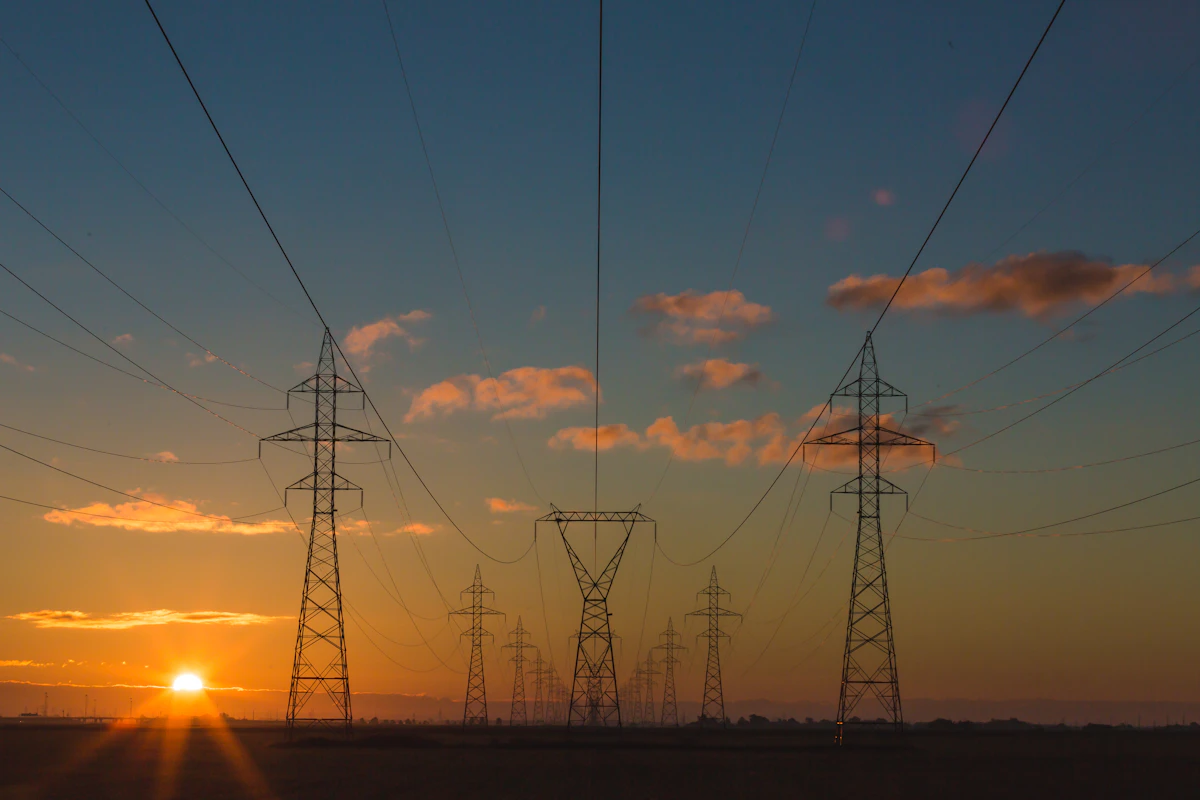
Image source: Unsplash - A modern solar installation, the foundation for a bidirectional energy system.
The Data Behind the Dual-Flow: Why It Matters Now
The push for bidirectionality is driven by hard data and grid challenges. In the US, the National Renewable Energy Laboratory (NREL) reports that high penetrations of solar can create midday demand valleys and evening ramping crises—the infamous "duck curve." In Europe, the rapid phase-out of traditional baseload power plants has increased the need for grid stability services.
Here’s what a bidirectional solar + storage system can achieve:
- Self-Consumption Boost: Increase the use of your own solar energy from 30-50% to over 80%, dramatically reducing grid reliance.
- Grid Services: In some markets, systems can provide frequency regulation or voltage support, creating potential revenue streams.
- Enhanced Resilience: During outages, the system can island itself, powering critical loads for days, not just hours.
Case Study: A German Factory's Journey to Grid Stability
Let's look at a real-world example from Bavaria, Germany. A mid-sized automotive parts manufacturer installed a 500 kW solar array in 2020. Initially, they faced two problems: steep grid fees for peak demand and the inability to use solar power during night shifts.
In 2022, they upgraded to a fully bidirectional energy system. The core of this upgrade was not just adding batteries, but installing a centralized intelligent energy management system (EMS) capable of millisecond-level decisions. The results after one year were compelling:
| Metric | Before Bidirectional System | After Bidirectional System | Change |
|---|---|---|---|
| Grid Energy Import (Peak Hours) | 1,200 MWh/yr | 400 MWh/yr | -66% |
| Peak Demand Charge | €85,000/yr | €28,000/yr | -67% |
| On-Site Renewable Usage | 48% | 94% | +46% |
| CO2e Footprint | 312 tonnes/yr | 89 tonnes/yr | -71% |
Furthermore, by participating in a local grid flexibility program, the system earns small but consistent payments for agreeing to reduce export during rare grid congestion events. This case exemplifies the triple win: major cost savings, unparalleled sustainability progress, and contribution to community grid stability.
The Intelligent Hub: How Highjoule's Technology Enables Bidirectional Flow
As a leader in advanced storage since 2005, Highjoule's approach to bidirectional solar panels centers on our Harmony ESS Platform. We understand that the panels and batteries are components, but the brain is what creates true value.
Our systems for residential (Harmony Home), commercial & industrial (Harmony C&I), and microgrid applications are built around a hybrid inverter and EMS that acts as a true conductor of your energy orchestra. Here’s how it works:
- Predictive Learning: The system analyzes your consumption patterns, weather forecasts, and even utility rate schedules (like time-of-use in California or dynamic tariffs in the EU).
- Dynamic Optimization: It doesn't just store surplus solar; it decides the most economically optimal moment to store it, use it, or sell it back. Should it charge the battery from the panels now, or wait for an expected price spike in two hours?
- Seamless Transition: In the event of a grid outage, the system automatically disconnects and powers your critical loads within milliseconds—you likely won't even notice a flicker.
For our commercial clients, the Highjoule Microgrid Controller adds another layer, allowing multiple generation sources (solar, wind, genset) and storage units to operate in perfect sync, either connected to the grid or in intentional island mode.

Image source: Unsplash - Monitoring and control are key for commercial bidirectional energy systems.
Practical Considerations for Homeowners and Businesses
Interested in moving from a one-way to a bidirectional setup? Here are key points to discuss with your provider:
- Inverter Capability: Ensure your inverter is truly hybrid and grid-interactive, certified for safety standards like UL 1741-SA in the US or VDE-AR-N 4105 in Germany.
- Battery Chemistry & Cycle Life: Bidirectional systems cycle the battery more frequently. Highjoule uses Lithium Iron Phosphate (LFP) chemistry for its safety and exceptional cycle life (often over 6,000 cycles), ensuring longevity despite daily charge/discharge activity.
- Software & Upgrades: The intelligence is in the software. Choose a system with firmware that can be updated remotely to adapt to new grid rules and market opportunities.
- Regulatory Landscape: This varies greatly. In the UK or parts of New England, grid support programs are emerging. In others, regulations are still catching up. A good provider will navigate this for you.
The Future of Your Power: Questions to Consider
The era of passive consumption is over. Bidirectional solar panels and the intelligent systems behind them are paving the way for a decentralized, resilient, and efficient energy grid. It transforms your property from an energy cost center into an active energy asset.
As you contemplate your next energy step, ask yourself: Is your current system just a cost-saving device, or is it a platform for future energy independence and potential revenue? What would it mean for your home or business to not only be protected from the next outage but to also play a part in building a more stable grid for your community?
We invite you to explore what a truly intelligent, bidirectional energy system from Highjoule could look like for your specific needs. What's the first question about your energy future you'd like to answer?
 Inquiry
 Online Chat