


Integrated Roof Solar Panels: The Seamless Path to Energy Independence
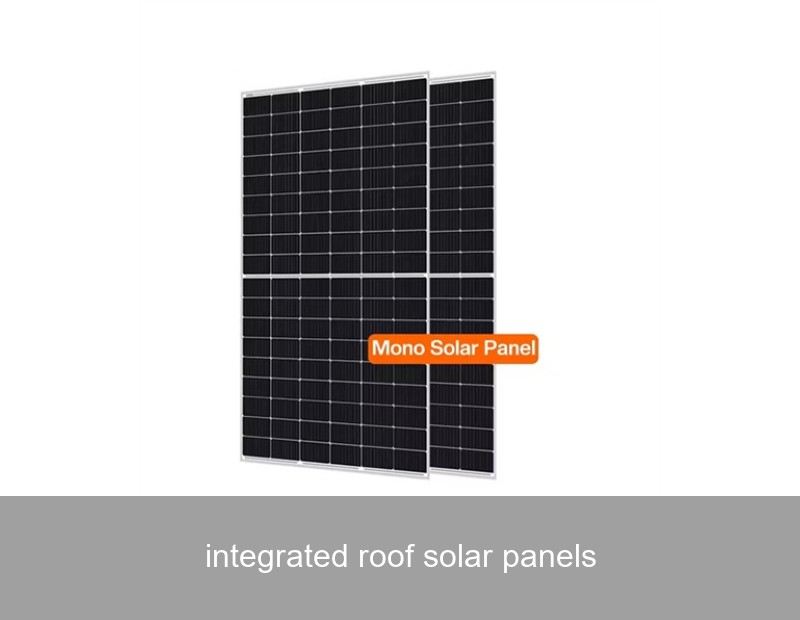
Imagine a roof that doesn't just protect you from the elements, but actively powers your life. This isn't a vision of the distant future; it's the reality offered by integrated roof solar panels. Unlike traditional rack-mounted systems, these sleek solutions become the roof itself, merging superior aesthetics with high-performance energy generation. For homeowners and businesses across Europe and the US, this technology represents a significant leap forward, combining architectural elegance with the practical need for sustainable, cost-effective power.
Table of Contents
The Problem with "Add-On" Solar
For years, adopting solar power often meant a compromise. You gained energy savings, but you had to accept bulky panels mounted on top of your existing roof. This "add-on" approach can present several challenges:
- Aesthetic Concerns: The visual impact can be a significant barrier, especially in historic districts or for architecture-conscious homeowners.
- Structural Complexity: Mounting systems add weight and require penetrating the existing roof membrane, which can raise concerns about long-term water integrity.
- Dual Maintenance: You maintain both a roof and a solar system separately, potentially complicating repairs and replacements.
Integrated solar roofing elegantly solves these issues by eliminating the "add-on" stage entirely. The photovoltaic cells are encapsulated into durable roofing tiles or large-format shingles, creating a uniform, streamlined surface. It’s a classic case of the whole being greater than the sum of its parts.
The Data: Why Integration is Winning
The market is responding decisively. According to a International Energy Agency (IEA) report, building-integrated photovoltaics (BIPV), which includes roof solutions, are one of the fastest-growing segments in solar. In Europe, stringent building codes pushing for "near-zero-energy" buildings are a major driver. The U.S. Department of Energy notes that integrated solutions can reduce overall material and installation costs by combining roofing and power generation into a single contractor's scope.
| Factor | Traditional Rack-Mounted Solar | Integrated Solar Roof |
|---|---|---|
| Roof Aesthetics | Panels are visibly mounted above roofline | Sleek, uniform appearance; panels are the roof |
| Installation | On top of existing roof (potential for leaks) | Direct replacement of roof material; single integrated layer |
| Long-Term Value | Adds energy asset | Adds energy asset + modern, durable roof |
| Ideal For | Retrofits, cost-focused projects | New builds, re-roofing projects, aesthetic-critical sites |
Case Study: A Bavarian Farm's Transformation
Consider the real-world example of the Schmidt family farm in Bavaria, Germany. Their centuries-old farmhouse, with its distinctive large, south-facing roof, was due for a complete re-roofing. Local heritage guidelines made traditional solar panels a non-starter. Their solution was a 45 kW integrated roof solar panel system using dark, slate-mimicking solar tiles.
- Challenge: Replace aging roof, meet energy needs, and comply with strict visual heritage codes.
- Solution: A fully integrated solar roof that matched the local architectural character.
- Results: The system now generates approximately 42,000 kWh annually, covering 100% of the farm's electricity needs and feeding surplus power into the grid. Critically, it preserved the building's historic appeal, satisfying both the family and local authorities. The project also included a Highjoule HomePower 10 battery storage system, allowing the Schmidts to store excess daytime energy for use at night, increasing their self-consumption rate to over 70%.

Image: Modern integrated solar solutions blend seamlessly with various architectural styles. (Source: Wikimedia Commons)
Beyond Aesthetics: The Technical Edge
While looks are important, the benefits run deeper. Modern integrated roof solar panels are engineered for durability, often exceeding the wind and hail ratings of standard asphalt shingles. They provide better thermal insulation and weather protection for your building envelope. Furthermore, because they are part of the roof's surface, they often operate at a lower temperature than rack-mounted panels (which have an air gap underneath), and while this can slightly affect peak efficiency, their overall annual energy yield in real-world conditions is highly competitive.
Highjoule's Holistic Approach: Beyond the Panels
At Highjoule, we understand that a truly intelligent energy system is more than just generation. Since 2005, we have been pioneering not just storage, but integrated energy ecosystems. While we partner with leading manufacturers of integrated solar roofing materials, our core expertise lies in what happens *next*: intelligently managing and storing that precious solar energy.
Our Highjoule Energy Hub is the brain of a modern home or business energy system. When paired with an integrated roof solar panel installation, it performs critical functions:
- Optimized Self-Consumption: It automatically directs solar power to where it's needed most—powering appliances, charging your Highjoule battery storage system, or pre-heating your water.
- Grid Intelligence: The hub can decide when to draw from the grid, when to export, and when to rely solely on stored power, based on real-time electricity prices and your consumption patterns.
- Seamless Backup: In the event of a grid outage, the system can island your home, keeping critical loads running from solar and battery power without interruption.
For commercial and microgrid applications, our Highjoule GridStack large-scale battery energy storage systems (BESS) provide the stability and capacity needed to maximize ROI on solar investments, participate in grid services, and ensure operational resilience.
Making the Decision: Is an Integrated System Right for You?
The choice often comes down to your project's profile. Integrated solar roofing is frequently the optimal choice for:
- New Construction: The perfect time to design energy generation into the building's fabric.
- Full Roof Replacement: If your roof needs work in the next 5 years, the combined cost of a new roof + integrated solar becomes very compelling versus a new roof + later add-on panels.
- Aesthetic or Regulatory Priority: Homes in visible locations or under heritage restrictions.
It's a powerful long-term investment. As noted by the National Renewable Energy Lab (NREL), BIPV can enhance property value by improving both performance and curb appeal.

Image: Close-up of modern solar tiles, showcasing their design. (Source: Unsplash)
Your Energy Ecosystem: A Final Thought
Choosing integrated roof solar panels is a decision to view your property as a living, breathing energy ecosystem. It's about moving from simply consuming power to actively and elegantly managing its flow. With the right technology partner, this system works silently in the background, slashing bills, increasing independence, and reducing your carbon footprint—all while looking impeccable.
So, as you contemplate your next step toward energy independence, ask yourself this: Is your roof ready to do more than just shelter you? What could you power with a surface that's already soaking up the sun?
 Inquiry
 Online Chat