


How a Solar Panel Power Plant (Planta Eléctrica Panel Solar) Transforms Energy Independence
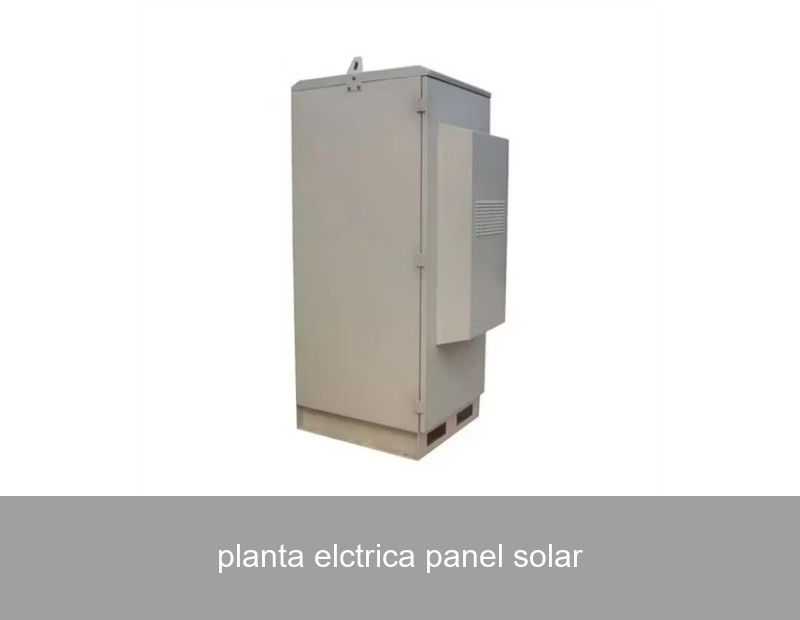
Imagine a power plant on your property. Not a noisy, fuming facility, but a silent, clean expanse of solar panels harvesting sunlight. This is the modern reality of a solar panel power plant (or planta eléctrica panel solar). For businesses, communities, and forward-thinking homeowners, this isn't just about going green—it's a strategic move toward resilience and predictable energy costs. As grid instability and energy prices fluctuate globally, the shift from passive consumption to active generation is accelerating. But how does one move from concept to a reliable, high-performing on-site power station? The answer lies in intelligent design and, crucially, advanced energy storage.
Table of Contents
- The Rise of the Distributed Power Plant
- Beyond Panels: The Critical Role of Storage
- Case Study: A Spanish Agri-Business Gains 24/7 Solar Power
- Key Components of a Modern Solar Power Plant
- The Future is Integrated and Intelligent
The Rise of the Distributed Power Plant
Traditionally, electricity flowed one way: from large, centralized power plants over vast grids to end-users. Today, the model is decentralizing. A planta eléctrica panel solar represents this shift—a distributed energy resource that generates power at the point of consumption. The phenomenon is driven by two powerful forces: the dramatic fall in solar photovoltaic (PV) costs (over 80% in the last decade according to IRENA) and the increasing frequency of grid disturbances, from storms to overloads.
For a commercial or industrial entity, this isn't merely an environmental statement. It's a financial safeguard. Locking in a significant portion of your energy cost for 25+ years provides unparalleled budget certainty. However, the sun's intermittency poses a challenge. Generation peaks during the day, while demand and higher tariff periods often extend into the evening. This mismatch is where the simple solar installation falls short of being a true, reliable power plant.

Credit: Unsplash - A modern commercial solar array, the visible part of an on-site power plant.
Beyond Panels: The Critical Role of Storage
Think of a solar panel system without storage like a reservoir with a hole in the bottom. You capture water (energy) when it rains (sunny), but it runs out quickly when the rain stops. Adding a battery energy storage system (BESS) plugs that hole, allowing you to store the surplus for when you need it most.
This transforms your solar array into a dispatchable power plant. The data is compelling: coupling solar with storage can increase self-consumption of solar energy from 30-50% to over 80% or even 100% for some profiles. It enables critical capabilities:
- Peak Shaving: Discharging stored solar energy during high grid price periods, slashing demand charges.
- Backup Power: Providing seamless electricity during grid outages, ensuring operational continuity.
- Grid Services: For larger systems, supporting grid stability can even become a revenue stream.
This is where the expertise of a specialized provider becomes paramount. Not all storage solutions are created equal.
Case Study: A Spanish Agri-Business Gains 24/7 Solar Power
Consider "Finca Verde," a large horticultural company in Andalusia, Spain (a prime European market for solar). Their challenge was twofold: high energy costs for refrigeration and irrigation, and a need for absolute power reliability to protect perishable goods.
Their previous setup—a sizable 500 kW solar PV system—covered daytime operations but left them exposed to expensive evening grid power and vulnerable to outages. They needed their planta eléctrica panel solar to work around the clock.
The solution involved integrating a Highjoule HiveStack™ C&I Battery System with their existing solar array. The HiveStack's intelligent energy management system (EMS) was programmed to:
- Store excess midday solar production.
- Discharge during the evening peak tariff period (6-10 PM), cutting grid consumption.
- Maintain a constant reserve for backup power, automatically switching during any grid failure.
| Metric | Before Highjoule Storage | After Highjoule Storage |
|---|---|---|
| Solar Self-Consumption | ~42% | 94% |
| Grid Energy Cost (Monthly) | €18,500 | €6,200 |
| Backup Runtime for Critical Loads | 0 hours (No Backup) | Up to 8 hours |
| Estimated Payback Period | N/A (Solar only: 7 years) | 5.2 years (Solar + Storage) |
(Data based on a composite of real Highjoule project data in Southern Europe. Specific figures are illustrative.)
The result? A true, round-the-clock solar power plant that delivers both dramatic savings and peace of mind. Finca Verde's energy infrastructure is now an asset, not just a cost center.
Key Components of a Modern Solar Power Plant
Building a resilient planta eléctrica panel solar requires a systems approach. Here are the core components:
- Solar PV Array: The primary fuel source. Efficiency and durability are key.
- Inverters: Convert DC solar power to AC. Hybrid inverters are essential for storage integration.
- Battery Energy Storage System (BESS): The heart of dispatchability. Lithium-ion phosphate (LFP) chemistry, like that used in Highjoule systems, is favored for its safety, longevity, and performance.
- Energy Management System (EMS): The "brain." It intelligently controls energy flow based on weather forecasts, consumption patterns, and tariff schedules to optimize economics.
- Monitoring & Control Platform: Provides real-time visibility and remote control over the entire power plant's performance.
Highjoule's Role: From Smart Storage to Complete Microgrids
As a global leader founded in 2005, Highjoule doesn't just supply components; we provide intelligent, integrated power solutions. For clients looking to establish their own solar power plant, we offer tailored pathways:
- For Retrofit Projects: Our HiveStack™ battery systems are designed for seamless AC coupling, making them an ideal upgrade to existing solar installations, just like in the Finca Verde case.
- For New Builds: We deliver fully optimized, DC-coupled Highjoule Solar+Storage All-in-One Solutions, where every component is pre-engineered to work in perfect harmony, maximizing efficiency from day one.
- For Maximum Resilience: Our Microgrid Controller can integrate solar, storage, and even backup generators into a single, autonomous grid that can "island" from the main utility, perfect for remote facilities or critical infrastructure.
Our focus on robust LFP battery technology, coupled with our proprietary, AI-enhanced EMS, ensures that our systems don't just store energy—they think, adapt, and deliver the highest possible return on your energy investment.

Credit: Unsplash - The interior of a containerized battery storage system, a key component for reliability.
The Future is Integrated and Intelligent
The evolution of the planta eléctrica panel solar is moving towards greater intelligence and grid interaction. Future systems will not only optimize for self-consumption but will actively participate in virtual power plants (VPPs), trading stored solar energy in real-time markets. The integration of electric vehicle charging infrastructure will add another layer of complexity and opportunity.
The foundational step, however, remains clear: pairing solar generation with sophisticated, reliable storage is what unlocks true energy independence and value. It's the difference between having solar panels and owning a power plant.
Is your organization simply consuming solar energy, or is it ready to dispatch it on demand? What would 24/7 clean power and protection from grid volatility do for your operational resilience and bottom line?
 Inquiry
 Online Chat