


Your Guide to Buy Solar Battery in Nigeria for Reliable Power
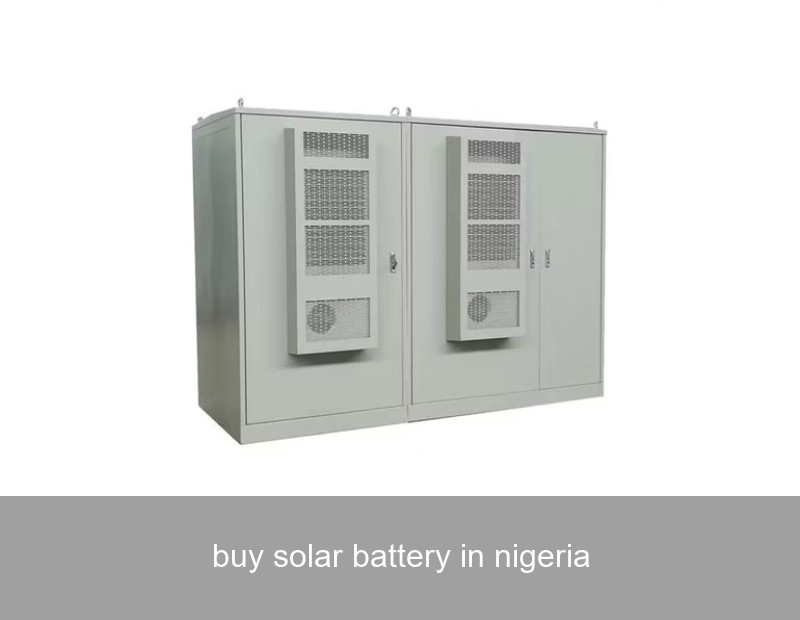
If you're researching how to buy solar battery in Nigeria, you're not just shopping for equipment—you're investing in energy independence. The frequent power outages and reliance on expensive, noisy generators are a daily reality for millions of Nigerians, from bustling Lagos households to small businesses in Abuja. This phenomenon, often called "light out," isn't just an inconvenience; it disrupts productivity, education, and comfort. The solution? A robust solar-plus-storage system. But with so many options, how do you choose the right battery that can withstand Nigeria's climate and deliver consistent power? This guide will walk you through the critical considerations, backed by data and real-world examples, to help you make an informed decision for a more empowered and sustainable future.
Table of Contents
- The Nigerian Power Gap: More Than an Inconvenience
- Solar Battery Basics: What Really Matters in a Hot Climate
- Case Study: A Lagos Business's Journey to Energy Freedom
- Why Highjoule Systems Are Engineered for Markets Like Nigeria
The Nigerian Power Gap: More Than an Inconvenience
The desire to buy solar battery in Nigeria is driven by hard data. According to the World Bank, over 85 million Nigerians lack access to grid electricity, and those connected face an average of 32 power outages in a typical month. This instability forces businesses and households to spend a significant portion of their income on diesel and petrol for generators—a costly and polluting stopgap. The economic and environmental toll is immense. This isn't merely a technical problem; it's a barrier to national development and personal well-being. The shift to solar power is a natural response, but without a battery to store that abundant daytime energy, you're still left in the dark at night or during grid failures.

Image: Solar energy is a key resource, but storage is what provides 24/7 power. Source: Unsplash
Solar Battery Basics: What Really Matters in a Hot Climate
Not all batteries are created equal, especially for the Nigerian environment. When you decide to buy solar battery in Nigeria, you must consider three core factors beyond just price: technology, lifespan, and climate resilience.
Battery Technology Showdown
| Technology | Typical Lifespan (Cycles) | Key Advantage | Consideration for Nigeria |
|---|---|---|---|
| Lead-Acid (Flooded) | 400-600 | Low upfront cost | Requires regular maintenance, shorter life, performance degrades in heat. |
| Lead-Acid (AGM/Gel) | 500-800 | Maintenance-free | Better than flooded but still sensitive to high temperatures and deep discharges. |
| Lithium Iron Phosphate (LiFePO4) | 3,500-6,000+ | Long lifespan, high efficiency, deep cycling | Excellent thermal stability, minimal maintenance, ideal for hot climates. Higher upfront cost but lower lifetime cost. |
The Heat Factor
Batteries hate excessive heat. For every 10°C above 25°C, the chemical reaction inside a standard battery doubles, effectively halving its expected lifespan. Given Nigeria's average temperatures, this is a critical issue. A quality battery for this market must have an advanced Battery Management System (BMS) with precise thermal monitoring and cooling mechanisms to protect the cells. This is where global expertise from companies like Highjoule becomes vital. Our systems are designed with integrated thermal management, ensuring stable performance from the hot, dry conditions of the North to the humid heat of the South.
Case Study: A Lagos Business's Journey to Energy Freedom
Let's look at a real-world example. "Tasty Bites," a mid-sized restaurant in Ikeja, Lagos, faced crippling operational costs. Spending over ₦280,000 monthly on diesel for a 25kVA generator, they also dealt with noise, fumes, and unpredictable breakdowns. In January 2023, they decided to invest in a 20kW solar array paired with a 40kWh lithium battery storage system.
- The Problem: High fuel costs, unreliable grid, and need for 24/7 refrigeration and air conditioning.
- The Solution: A turnkey solar-plus-storage system designed for high daily cycling.
- The Outcome (12 Months Later):
- Diesel generator usage reduced by over 95%.
- Monthly energy savings: ~₦250,000, leading to a projected ROI in under 4 years.
- Uninterrupted power for cold storage, eliminating food spoilage.
- Quieter, cleaner premises enhancing customer experience.
The owner's key insight? "The solar panels were the easy part. Choosing the right battery with enough capacity and a strong warranty was what made the system work for us." This mirrors the experience of many who successfully buy solar battery in Nigeria—the focus must be on long-term reliability, not just the sticker price.
Why Highjoule Systems Are Engineered for Markets Like Nigeria
At Highjoule, we've been at the forefront of advanced energy storage since 2005. We understand that a solution for Nigeria isn't just about shipping a product; it's about providing a system engineered for the challenge. Our products are not just sold; they are supported.
Highjoule's Product Edge
Our H-Series Commercial & Industrial (C&I) and H-Residential Energy Storage Systems are built on Lithium Iron Phosphate (LiFePO4) chemistry. Why does this matter for you? These batteries offer a longer lifespan, superior safety (they are highly resistant to thermal runaway), and maintain performance even in high ambient temperatures. Our smart BMS constantly optimizes performance and protects the battery, giving you peace of mind.
Beyond the Hardware: Intelligence and Service
What truly differentiates Highjoule is the intelligence embedded in our systems. Our platforms offer remote monitoring and energy management, allowing you or your installer to see system performance in real-time, diagnose issues, and optimize for maximum savings. For the Nigerian market, we partner with certified local installers and provide comprehensive training and support, ensuring your investment is protected by global expertise and local service.

Image: Smart monitoring is crucial for managing your energy assets. Source: Unsplash
Making the Right Choice: Your Checklist Before You Buy
Ready to move forward? Before you buy solar battery in Nigeria, use this checklist to evaluate your options:
- Audit Your Energy Needs: List your critical loads (fridges, freezers, lights, AC units) and calculate your daily kWh consumption. A good installer will help with this.
- Prioritize Battery Chemistry: For long-term value and reliability, strongly consider Lithium Iron Phosphate (LiFePO4).
- Demand a Clear Warranty: Look for a warranty that guarantees both a period of years (e.g., 10 years) AND a minimum throughput capacity (e.g., 10,000 kWh). This tells you the manufacturer stands by the product's durability.
- Check Compatibility: Ensure the battery is compatible with your existing or planned solar inverter. Highjoule systems offer both AC- and DC-coupled solutions for seamless integration.
- Evaluate the Provider: Choose a provider with a proven global track record in challenging environments and a commitment to local technical support and training.
The journey to energy independence is a significant step. It requires an upfront investment, but as the data and case studies show, the long-term benefits in savings, reliability, and peace of mind are substantial. The question is no longer if you should switch to solar and storage, but how to do it right.
What's the first load you would power to transform your daily life or business operations during the next "light out"?
 Inquiry
 Online Chat