


Calefacción con Placa Solar: A Complete Guide to Efficient Solar Heating
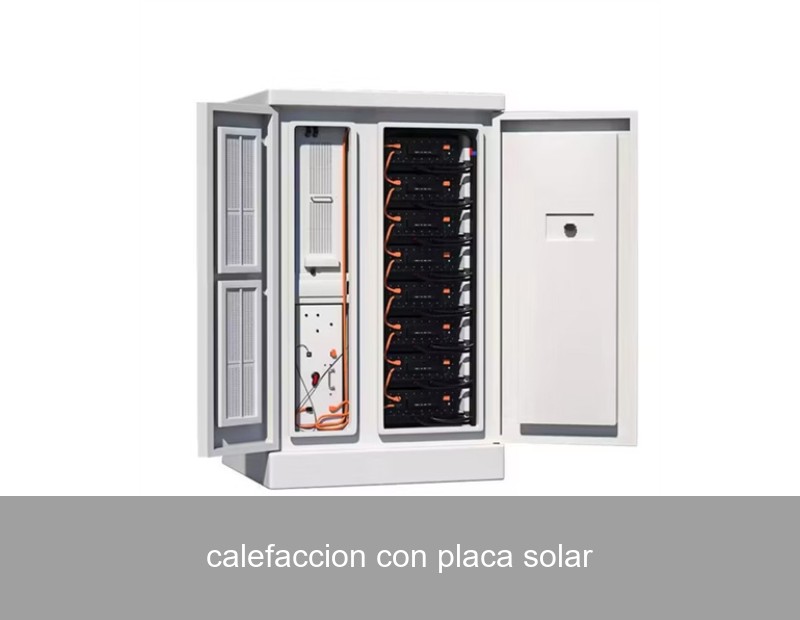
As energy prices continue to fluctuate and environmental awareness grows, homeowners across Europe and the U.S. are asking a compelling question: can I use the sun's power to heat my home? The answer is a resounding yes, and the technology making it possible is calefacción con placa solar, or solar heating. Moving beyond just generating electricity, modern solar thermal and photovoltaic systems offer a sophisticated, sustainable path to warmth and hot water, slashing both your carbon footprint and your utility bills. This guide will demystify how solar heating works, explore the data behind its efficiency, and showcase how integrating it with advanced battery storage—like solutions from Highjoule—creates a truly resilient and independent home energy system.
Table of Contents
- How Does Solar Heating Work? Two Main Pathways
- The Efficiency Data: Why Solar Heating Makes Financial Sense
- Real-World Case Study: Solar Heating in a Cold Climate
- The Storage Challenge: From Sunlight to Nighttime Heat
- How Highjoule's Energy Storage Completes Your Solar Heating System
- Getting Started with Your Solar Heating Project

Modern solar solutions are designed for both aesthetics and high-performance heating.
How Does Solar Heating Work? Two Main Pathways
When we talk about calefacción con placa solar, we're typically referring to two distinct but sometimes complementary technologies: solar thermal and solar photovoltaic (PV) heating.
1. Solar Thermal Heating: Direct Capture of Heat
This system uses "collector" panels (often containing tubes of fluid) mounted on your roof. Sunlight heats the fluid directly, which is then circulated to a heat exchanger to warm up your home's water or even your hydronic (water-based) space heating system. It's incredibly efficient at converting sunlight to heat but is dedicated solely to providing thermal energy.
2. Solar PV for Heating: Electricity as the Flexible Medium
This is where standard solar panels you see everywhere come in. They generate electricity (DC), which an inverter converts to usable AC power for your home. This electricity can then power various heating solutions:
- Heat Pumps: The most efficient pairing. Solar electricity runs an air-source or ground-source heat pump, which can provide over 3 units of heat for every 1 unit of electricity used.
- Electric Resistance Heaters: Including baseboard heaters or immersion heaters for hot water tanks. While simpler, they are less efficient than heat pumps.
- Smart Controllers: Devices that divert excess solar power to heat your water tank when your home's immediate electrical needs are met.
The PV-based approach offers greater flexibility, as the electricity generated can also power every other appliance in your home. However, its effectiveness for heating hinges on a critical factor: energy storage.
The Efficiency Data: Why Solar Heating Makes Financial Sense
Let's look at the numbers. According to the International Energy Agency (IEA), solar thermal systems for water heating can typically provide between 50-70% of a household's annual hot water needs, even in temperate climates. For space heating, the contribution varies more but can significantly offset fossil fuel use.
The financial return is equally compelling. While upfront costs exist, the operational costs are minimal—sunshine is free. In many regions, government incentives, like tax credits in the U.S. or subsidies in European countries, dramatically improve the payback period. You're not just buying a heating system; you're locking in a low, predictable cost for heat for the next 25+ years, insulating yourself from volatile gas, oil, or electricity prices.
| System Type | Primary Use | Typical Efficiency | Best Suited For |
|---|---|---|---|
| Solar Thermal | Domestic Hot Water, Space Heating (hydronic) | 60-80% (solar to thermal) | Homes with existing water-based heating; high hot water demand |
| Solar PV + Heat Pump | Whole-Home Space Heating & Cooling, Hot Water | 300-400%+ (COP of heat pump) | New builds or retrofits seeking full electrification and cooling |
Real-World Case Study: Solar Heating in a Cold Climate
Consider a real example from Bavaria, Germany—a region known for its picturesque but cold winters. A 2022 project retrofitted a 180m² single-family home built in the 1990s. The goal was to eliminate dependency on natural gas.
- Solution Installed: A 12 kW rooftop solar PV system coupled with an air-to-water heat pump and a crucial component—a 15 kWh Highjoule residential battery storage system.
- Results: Over the first full year, the system met 78% of the home's total annual electricity demand, which included running the heat pump for both heating and domestic hot water. The Highjoule battery was pivotal, storing excess solar generation from the day to power the heat pump during the evening and morning peaks, reducing grid electricity draw to a minimum. The homeowner reported a 70% reduction in annual energy costs and near-complete decarbonization of home heating.
This case highlights that calefacción con placa solar is not just for sunny Mediterranean coasts; it's a viable, high-performance solution for colder climates when paired with the right technology.

A modern integrated system: solar panels, battery storage, and heat pump working in harmony.
The Storage Challenge: From Sunlight to Nighttime Heat
Here's the fundamental puzzle of solar heating: the sun shines brightest during the day, often when you're not home and heating demand is lowest. Your greatest need for heat is in the evening, night, and early morning. Without a way to "time-shift" the solar energy, you end up exporting excess power to the grid (often at low rates) and buying back expensive power when you need heat.
This is the gap that battery energy storage systems (BESS) fill perfectly. They are the keystone for a truly effective and autonomous solar heating system.
How Highjoule's Energy Storage Completes Your Solar Heating System
As a global leader in advanced energy storage since 2005, Highjoule designs smart battery systems specifically to maximize the value and independence of renewable energy setups like yours. For a home investing in calefacción con placa solar, a Highjoule system provides three critical benefits:
- Maximized Self-Consumption: Our intelligent energy management software automatically stores your surplus solar electricity instead of sending it out. This stored energy then powers your heat pump or other heating elements at night, dramatically increasing the portion of your heating that comes directly from your roof.
- Enhanced Resilience: Power outages are more than an inconvenience; in winter, they can be a safety hazard. Highjoule's storage systems can provide backup power, ensuring your heating system and critical loads remain operational during grid failures.
- Grid Support & Savings: In some markets, our systems can participate in grid services programs or be configured to avoid peak demand charges (for commercial applications), creating an additional revenue stream or cost avoidance.
Whether for a residential property, a commercial facility, or an industrial microgrid, Highjoule's scalable and efficient battery storage solutions are the logical partner to your solar investment, transforming it from a partial solution into a comprehensive, 24/7 clean energy powerhouse.
Getting Started with Your Solar Heating Project
Embarking on a solar heating journey requires careful planning. Start with a professional energy audit to understand your home's heat load and efficiency. Then, consult with qualified solar and heat pump installers. Crucially, include energy storage in your initial planning—retrofitting a battery later can be less optimal than designing a fully integrated system from the start.
Ask potential installers: How will the system perform on the shortest, coldest day of the year? What is the projected annual self-consumption rate with and without storage? How does the Highjoule battery management system optimize for heating needs?

A professional consultation is the first step toward a successful solar heating project.
Your Next Step Towards Energy Independence
The technology for clean, affordable, and reliable calefacción con placa solar is here and proven. It's no longer a niche concept but a mainstream solution for energy-conscious homeowners and businesses. The synergy of solar generation, efficient heat pumps, and intelligent storage from providers like Highjoule creates a system that is greater than the sum of its parts.
What would it mean for you to have a home that heats itself with the power of the sun, day and night, while taking control of your energy costs for decades to come?
 Inquiry
 Online Chat