


The Global Shift: Why the World is Turning to Solar
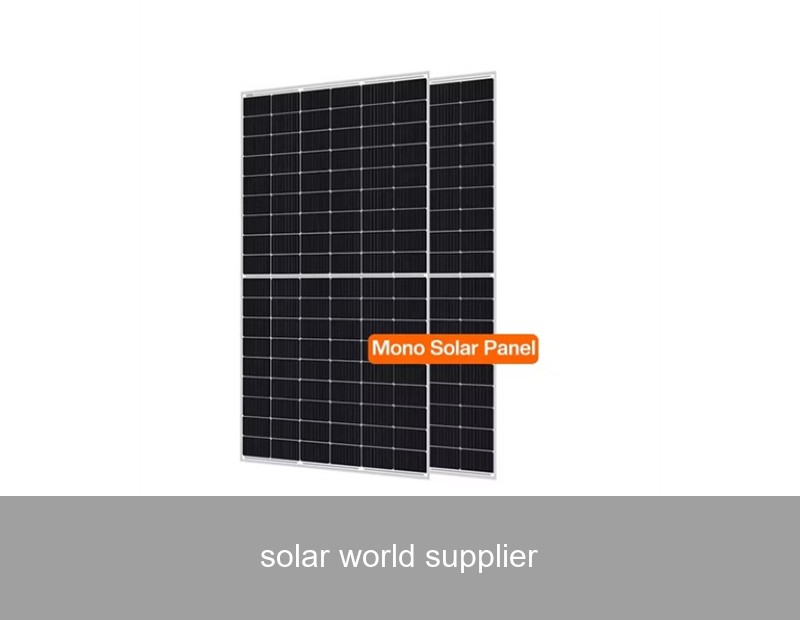
Look around. From sun-drenched rooftops in California to sprawling fields in Spain, a silent revolution is powering our homes, businesses, and industries. The quest for a sustainable, secure, and cost-effective energy supply has positioned solar power not as an alternative, but as a mainstream pillar of the global energy mix. But here’s a nuance often missed: the true solar world supplier of tomorrow isn't just providing panels; it's delivering a complete, intelligent energy ecosystem. The phenomenon is clear—renewables are rising. The data solidifies it. According to the International Energy Agency (IEA), renewables are set to contribute 80% of new power capacity to 2030 under current policies, with solar PV alone accounting for more than half of that expansion. This isn't a trend; it's a fundamental restructuring of how we generate and consume electricity.
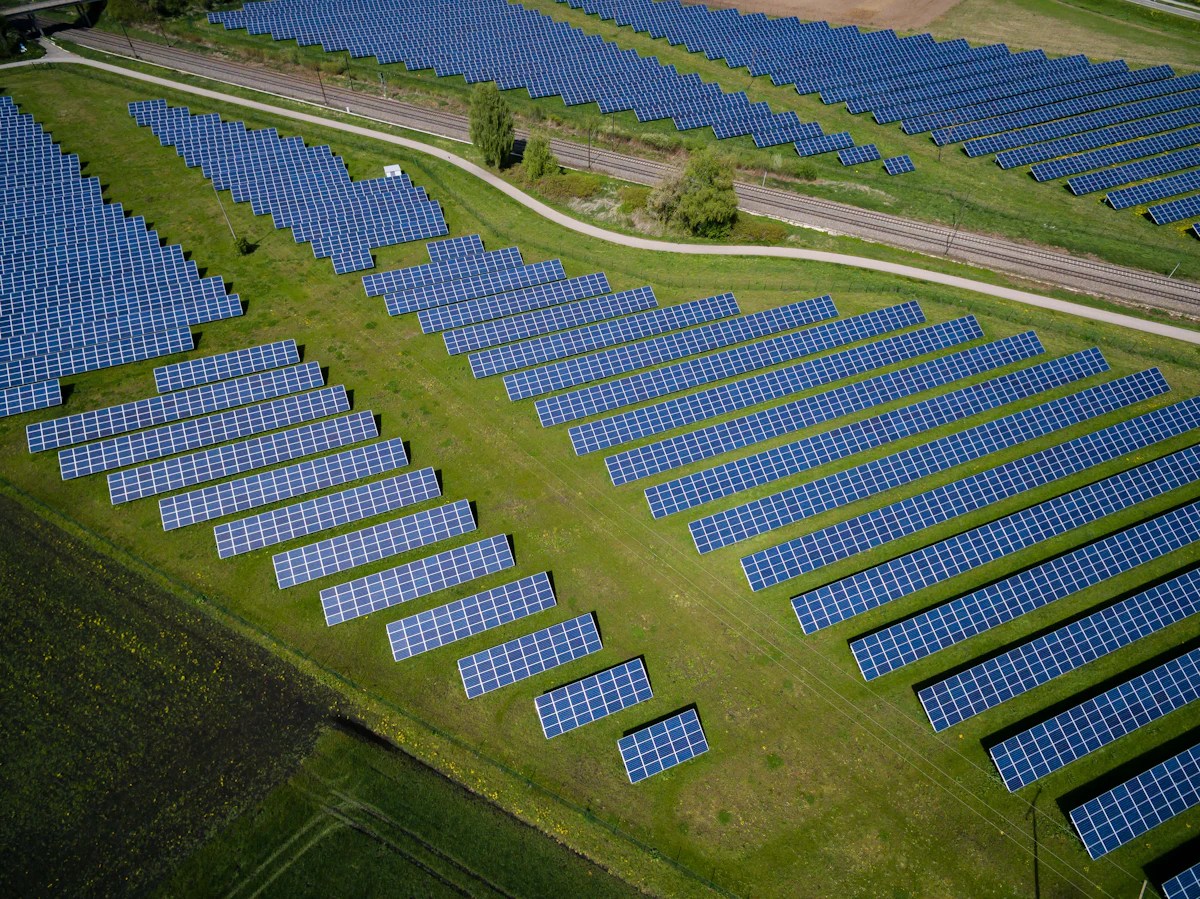
So, what does this mean for a business owner in Munich or a municipality in Texas? It means opportunity, but also complexity. Generating solar energy is one challenge; harnessing its full potential requires solving the puzzle of intermittency. The sun doesn't shine on demand, and that's where the story evolves from simple generation to sophisticated energy management.
Beyond the Panels: The Critical Role of Smart Storage
Think of a solar installation without storage like a spectacular waterfall with no reservoir below—the energy is breathtaking but fleeting. When your solar panels produce more electricity than you can use instantly, that surplus often gets fed back to the grid for a modest feed-in tariff. Conversely, when the clouds roll in or at night, you're back to buying power at retail rates. This seesaw limits your savings, your independence, and the system's overall value.
This is the core insight driving the next evolution: the integration of advanced Battery Energy Storage Systems (BESS). A true solar world supplier understands this synergy. By pairing solar arrays with intelligent storage, you effectively build your own personal energy reservoir. You capture excess generation, store it, and dispatch it precisely when you need it most—during peak tariff periods, during grid outages, or to meet specific sustainability targets.
- Maximized Self-Consumption: Use more of the clean energy you produce, sometimes increasing self-consumption rates from 30% to over 70%.
- Peak Shaving: Avoid expensive demand charges from utilities by drawing on your battery during periods of highest grid cost.
- Enhanced Resilience: Maintain critical operations during grid outages, providing uninterrupted power.
- Grid Services: For larger installations, participate in grid stability programs, creating an additional revenue stream.
Case Study: A German Industrial Park's Journey to Energy Independence
Let's move from theory to a tangible example. Consider a mid-sized manufacturing cluster in Bavaria, Germany. Facing volatile energy prices and ambitious corporate decarbonization goals, the park's management sought a solution to stabilize costs and reduce their carbon footprint.
The Challenge: High grid dependency, significant energy consumption during non-sunny hours, and exposure to Germany's Strompreis (electricity price).
The Solution: The park partnered with a system integrator utilizing Highjoule's industrial-grade BESS. A 500 kW solar carport was installed alongside a Highjoule HVC-1000 containerized battery storage system with a capacity of 1.2 MWh. The system was integrated with Highjoule's proprietary Energy Management System (EMS) for intelligent forecasting and dispatch.
The Data-Driven Outcome (12 months post-installation):
| Metric | Result |
|---|---|
| Grid Energy Consumption | Reduced by 68% |
| Peak Demand Charges | Reduced by 45% |
| Renewable Self-Consumption | Increased from 35% to 82% |
| CO2 Emissions | Avoided approx. 720 tonnes annually |
This case underscores that the right technology partnership transforms a capital expenditure into a strategic asset with a clear, measurable ROI. The park didn't just install solar and batteries; it deployed an intelligent energy platform.
Choosing Your Solar World Supplier: More Than Just Hardware
With the market flooded with options, selecting your partner is crucial. The cheapest component provider is rarely the most cost-effective solution over a system's 15-20 year lifespan. You need a partner with:
- Deep System Integration Expertise: Seamlessly blending PV inverters, battery chemistries (like Lithium Iron Phosphate), and control software.
- Proven Grid Interconnection Experience: Navigating the regulatory landscapes of different regions, from California's CAISO to European DSO requirements.
- Reliable Technology & Safety Certifications: UL, IEC, and regional standards are non-negotiable for insurance and safety.
- Advanced Software Intelligence: The brain of the operation—an EMS that uses weather data, load forecasting, and tariff structures to optimize every kilowatt-hour.
The Highjoule Approach: Intelligent Energy Orchestration
At Highjoule, our vision as a global energy solutions provider extends far beyond hardware. Since 2005, we have evolved into an architect of resilient energy ecosystems. We understand that every commercial, industrial, or residential site has a unique energy fingerprint.
Our product suites, like the scalable HVC Series for C&I applications and the integrated HomePower+ for residential use, are designed with this flexibility in mind. But the real differentiator is JouleMind AI, our cloud-native EMS platform. Think of it as the conductor of your personal energy orchestra. It doesn't just react; it predicts. By analyzing historical consumption, real-time weather feeds, and dynamic electricity prices, it autonomously makes decisions to store, use, or even sell energy, ensuring your system delivers maximum financial and operational value.

For a utility-scale microgrid project, this might mean orchestrating multiple generation sources and storage units to ensure community resilience. For a supermarket chain, it means algorithmically shaving peak demand across hundreds of locations to unlock millions in savings. This holistic, software-centric approach is what defines a modern solar world supplier.
The Future Horizon: Integrated, Resilient Microgrids
The logical endpoint of this evolution is the proliferation of smart microgrids. These are localized energy networks that can operate independently from the main grid ("island mode") or in conjunction with it. They typically combine solar PV, battery storage, and often other distributed energy resources (DERs) like backup generators or wind turbines.
For a university campus, a hospital, or a remote community, a microgrid powered by intelligent storage isn't just about savings—it's about energy security and sovereignty. In an era of increasing climate-related grid disruptions, this capability is priceless. Highjoule is at the forefront of this movement, providing the core storage and control technology that turns a collection of assets into a reliable, self-healing energy network.
As we look ahead, the lines between energy consumer and producer will continue to blur. The question is no longer "Should we go solar?" but rather "How do we build the most intelligent, resilient, and valuable energy system for our specific needs?"
What is the single biggest energy challenge your business or community is looking to solve in the next five years—is it cost volatility, sustainability mandates, or outright reliability? The conversation starts with defining that goal.
 Inquiry
 Online Chat