


Chemical Energy Storage Examples: Powering a Sustainable Future
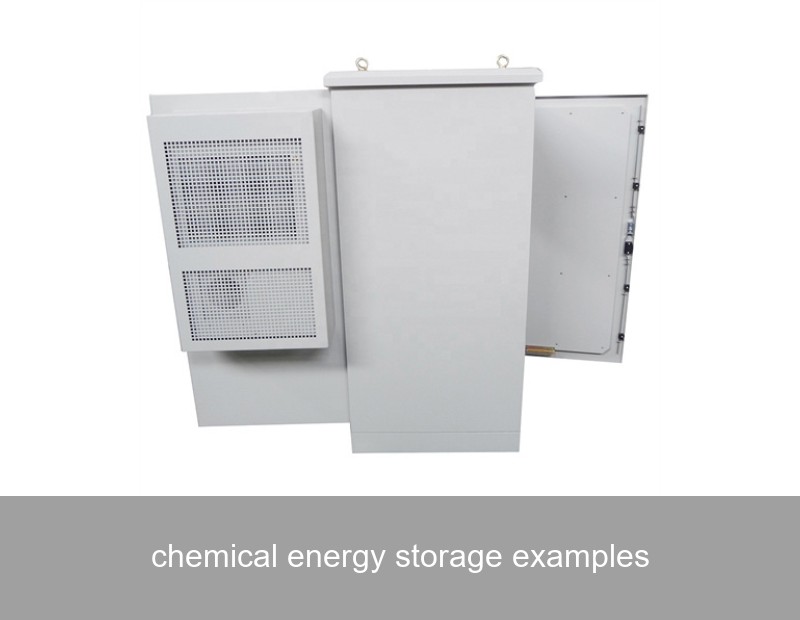
As the world pivots towards renewable energy, a critical question emerges: what happens when the sun doesn't shine, or the wind doesn't blow? The answer lies in the innovative world of energy storage, and specifically, in chemical energy storage examples. These technologies are the silent workhorses, capturing clean energy and releasing it precisely when needed. For businesses, communities, and homeowners, understanding these systems is key to unlocking true energy independence and grid resilience. Let's explore the practical examples that are shaping our energy landscape today.
Table of Contents
The Core Concept: From Potential to Power
At its heart, chemical energy storage involves converting electrical energy into chemical energy, storing it safely, and then reversing the process to release electricity. Think of it like a high-tech, rechargeable "energy battery" on a massive scale. The beauty of this method lies in its high energy density and ability to provide stable, long-duration power, making it indispensable for integrating intermittent renewables like solar and wind into our grids.
Primary Chemical Energy Storage Examples in Action
Not all chemical storage is created equal. Different technologies serve different purposes, from powering your home for a few hours to fueling an industrial plant for days. Here are the key players.
Lithium-ion Batteries: The Versatile Frontrunner
You're likely familiar with these from your electronics and EVs. In grid-scale and commercial applications, lithium-ion battery systems are prized for their high efficiency (often over 95% round-trip) and rapid response times (milliseconds). They are the go-to solution for frequency regulation, peak shaving, and daily cycling for solar self-consumption.
- Best For: Daily cycling, short-duration storage (2-6 hours), applications requiring high power and fast response.
- Consideration: Performance can degrade over thousands of cycles, and sourcing of raw materials is a key focus for sustainability.
Companies like Highjoule have refined lithium-ion technology for stationary storage. Our H-Cube Commercial Series integrates advanced battery management systems (BMS) and thermal controls to maximize lifespan and safety, making it an ideal choice for businesses looking to reduce demand charges and back up critical operations.
Flow Batteries: The Endurance Champions
Imagine a battery where the energy is stored in liquid electrolytes held in external tanks. That's a flow battery. Their power and energy capacities are decoupled—meaning you can increase storage duration simply by using larger tanks. Vanadium redox flow batteries (VRFB) are the most common commercial type.
- Best For: Long-duration energy storage (4+ hours, up to 12+ hours), applications with daily deep cycling, and projects where long lifespan (20+ years) is critical.
- Consideration: Typically lower energy density and higher upfront cost per kWh than lithium-ion, but a superior lifetime cost for long-duration needs.
Green Hydrogen: The Seasonal Storage Solution
This is a powerful example of power-to-gas technology. Excess renewable electricity is used to electrolyze water, splitting it into hydrogen and oxygen. The hydrogen is then stored under pressure or in caverns and can be used weeks or months later in fuel cells to generate electricity, or as a clean fuel for industry and transport.
- Best For: Seasonal storage, decarbonizing hard-to-electrify sectors (e.g., steel, fertilizer production, heavy transport).
- Consideration: The overall "round-trip" efficiency is lower (around 30-40%) compared to batteries, but its long-term storage capability is unmatched.
For more detailed comparisons of emerging storage technologies, the U.S. Department of Energy's Energy Storage Hub is an excellent resource.
Other Notable Technologies
- Advanced Lead-Acid: An evolved, more cycle-resistant version of the classic car battery, often used in backup power and off-grid systems.
- Sodium-Sulfur (NaS) Batteries: High-temperature batteries well-suited for large-scale grid storage, offering long cycle life and high energy density.
- Zinc-Air & Other Metal-Air Batteries: Promising technologies using oxygen from the air as a reactant, potentially offering high energy density at lower cost.
A Real-World Case Study: Stabilizing a European Microgrid
Let's move from theory to practice. A great example comes from a remote island community in Northern Europe, reliant on a combination of local wind power and a costly, polluting diesel generator. Their challenge was grid instability during wind gusts and the need to minimize diesel use.
The Solution: A hybrid energy storage system was deployed, featuring a 2 MWh lithium-ion battery paired with a smaller 500 kWh vanadium flow battery. The lithium-ion system handled the second-to-second frequency regulation and rapid fluctuations in wind power output. The flow battery provided the longer-duration bulk storage, allowing the community to run on stored wind energy for up to 10 hours during calm periods.
The Data-Driven Outcome: Within the first year of operation:
- Diesel fuel consumption was reduced by 89%.
- Renewable energy penetration on the microgrid increased from 40% to over 95%.
- The payback period for the storage system is projected to be under 7 years, thanks to fuel savings and avoided generator maintenance.
This case, documented in part by the International Energy Agency (IEA), perfectly illustrates how combining different chemical energy storage examples can create a resilient, cost-effective, and clean power system.

Image Source: Unsplash - Representative image of grid-scale battery storage.
Choosing the Right System: It's About Your Needs
So, how do you decide which technology fits? It's not about picking the "best" one universally, but the best one for your specific goals. Ask yourself these questions:
| Your Primary Goal | Recommended Technology Focus | Key Metric to Watch |
|---|---|---|
| Reduce peak demand charges (Commercial/Industrial) | Lithium-ion | Power Rating (kW), Response Time |
| Maximize solar self-consumption (Residential/Commercial) | Lithium-ion | Usable Energy Capacity (kWh), Round-trip Efficiency |
| Long-duration backup & grid independence (Microgrids, Utilities) | Flow Batteries, Hydrogen | Storage Duration (hours), Cycle Life |
| Frequency regulation & grid services | Lithium-ion | Ramp Rate, Cycle Life |
Highjoule's Role in Advanced Chemical Storage Solutions
At Highjoule, we don't just sell batteries; we engineer intelligent energy ecosystems. Since 2005, our mission has been to provide the right storage solution for the right application. For a manufacturing plant in Texas looking to avoid peak tariffs, our H-Cube Industrial System with AI-driven energy management provides the perfect daily cycling solution. For a community microgrid in Greece aiming for 24/7 solar power, our team might design a hybrid system incorporating both our lithium-ion technology and partnerships for long-duration storage.
Our expertise lies in the integration and intelligent control—the software and smarts that ensure your chemical energy storage asset delivers maximum financial and operational value over its entire lifespan. We navigate the complexities of chemistry, power electronics, and local grid codes so you don't have to. You can explore a technical analysis of battery performance factors in this study from Nature Energy.

Image Source: Unsplash - Engineer monitoring a modern energy storage control system.
Understanding these chemical energy storage examples is the first step toward a more resilient and sustainable energy strategy. The technology is here, proven, and ready to deploy. What specific energy challenge—be it cost, reliability, or sustainability—is your business or community looking to solve with the power of stored electrons?
 Inquiry
 Online Chat