


Unlocking Energy Independence: The Ultimate Guide to Your Combination Solar and Wind Power Generator
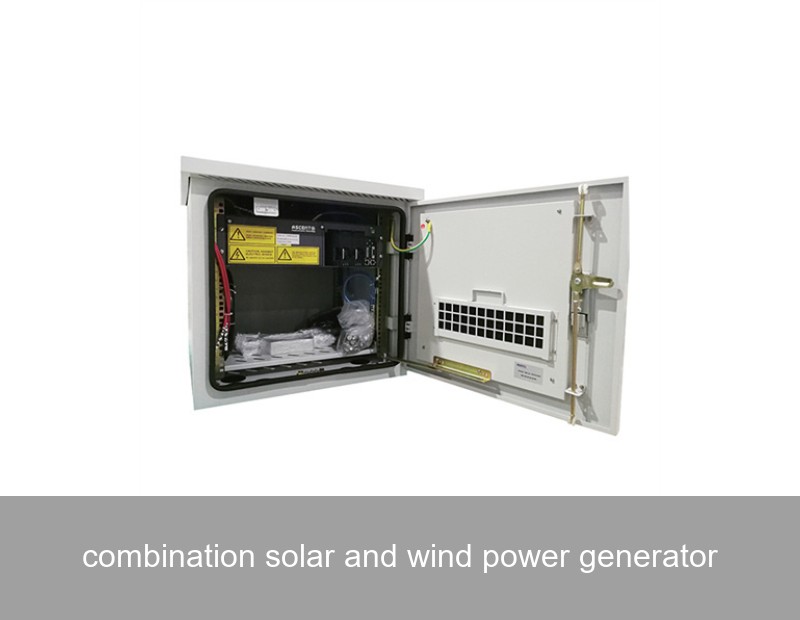
Have you ever looked at a sunny, windy day and thought, "What a perfect day for renewable energy"? You're not alone. More homeowners and businesses across Europe and the US are realizing that relying on a single renewable source leaves them at the mercy of the weather. This is where a combination solar and wind power generator system, often called a hybrid renewable system, becomes a game-changer. By intelligently pairing solar panels and wind turbines, you can create a more consistent, reliable, and powerful clean energy supply for your home, farm, or commercial facility. Let's explore how this powerful duo works and why it might be the key to your energy resilience.
Table of Contents
- The Challenge: The Intermittency Problem
- The Solution: Hybrid Solar-Wind Systems
- Key Components of a Hybrid System
- A Real-World Case Study: Farming in Texas
- Highjoule's Role: The Intelligent Brains of Your System
The Challenge: Relying on One Source of Renewable Energy
The sun doesn't always shine, and the wind doesn't always blow. This is the fundamental challenge of renewable energy known as intermittency. A standalone solar array produces zero energy at night and sees significant drops on cloudy days. Similarly, a standalone wind turbine sits idle during calm periods. This variability can lead to energy shortfalls, forcing you to draw expensive and carbon-intensive power from the grid.
Data from the U.S. Department of Energy shows that solar capacity factors (the ratio of actual output to maximum possible output) typically range from 15-25%, while onshore wind ranges from 25-45%. These numbers highlight the gap that needs filling. A hybrid system directly addresses this by leveraging the complementary nature of solar and wind resources, which often peak at different times of the day and year.

Image Source: Unsplash. A visual representation of complementary solar and wind generation.
The Solution: How a Combination Solar and Wind Power Generator Works
A combination solar and wind power generator system is more than just installing both technologies side-by-side. It's an integrated ecosystem designed to maximize energy harvest 24/7. Solar production typically peaks during midday hours, especially in summer. Wind resources, on the other hand, can be stronger at night, during seasonal storms, or in the winter months. By combining them, you smooth out the generation curve, creating a more stable and predictable flow of electricity throughout the day and across seasons.
Think of it like having a diverse investment portfolio. You wouldn't put all your money into one volatile stock; you'd diversify to manage risk and ensure more stable returns. Your energy portfolio deserves the same smart strategy.
The Complementary Generation Pattern
Here’s a simplified look at how generation can complement each other in a temperate climate:
| Time/Season | Solar Generation | Wind Generation | System Benefit |
|---|---|---|---|
| Summer Day | High | Moderate/Low | Solar covers peak AC demand. |
| Summer Night | None | Potentially High | Wind powers overnight loads. |
| Winter Day | Moderate | Often High | Wind boosts shorter daylight output. | Stormy/Cloudy Day | Low | Typically High | Wind compensates for low solar yield. |
Key Components of a Robust Hybrid System
Building an effective hybrid system requires careful integration of several key components:
- Solar PV Panels: Convert sunlight into direct current (DC) electricity.
- Wind Turbine (Small-scale): Converts kinetic wind energy into DC electricity.
- Charge Controller(s): Regulate the voltage and current from both sources to safely charge the batteries.
- The Critical Component - Battery Energy Storage System (BESS): This is the heart of modern hybrid systems. It stores excess energy from both sources for use when generation is low. Not all batteries are created equal.
- Hybrid Inverter: Converts the DC electricity from the panels, turbine, and batteries into usable AC electricity for your home or business. It also intelligently manages the flow of energy from all sources.
- Energy Management System (EMS): The brain of the operation. A sophisticated EMS, like the one integrated into Highjoule systems, uses predictive algorithms and real-time data to decide whether to send power to the batteries, the home, or back to the grid, optimizing for self-consumption, cost, or resilience.
A Real-World Case Study: Achieving 90% Energy Independence on a Texas Ranch
Let's look at a concrete example. The Miller family owns a 50-acre cattle ranch in West Texas, USA. They faced high grid electricity costs and frequent short outages that threatened their water pumping and refrigeration systems. In 2022, they installed a combination solar and wind power generator system.
- Configuration: A 20 kW solar array paired with a 10 kW vertical-axis wind turbine and a robust 40 kWh battery storage system.
- The Data: In its first full year, the system generated 48 MWh of energy. Solar provided ~75% of the total annual yield, but the wind turbine contributed a critical ~25%, primarily during winter months, nighttime, and extended cloudy periods. Most importantly, the system provided 90% energy independence, reducing their grid reliance to almost nothing outside of a few prolonged low-wind, low-sun periods. Their payback period, with available incentives, is projected to be under 7 years.
- The Insight: "The wind turbine was the difference-maker," says John Miller. "Solar does the heavy lifting in summer, but when we had that week of gray weather last December, the wind kept our batteries charged and the lights on. One source alone wouldn't have given us this peace of mind."
Image Source: Unsplash. Example of a rural property utilizing hybrid energy.
Highjoule's Intelligent Solutions: The Brains Behind Your Hybrid Power
This is where Highjoule, a global leader in advanced energy storage since 2005, transforms a good hybrid system into an intelligent, high-performance asset. Our expertise isn't just in providing batteries; it's in delivering fully integrated, smart power solutions for residential, commercial, and microgrid applications.
For a combination solar and wind power generator to reach its full potential, the storage and management system must be exceptionally capable. Highjoule's H-Series Battery Energy Storage Systems are built with high-cycle life, lithium iron phosphate (LFP) chemistry for safety and longevity, and are designed to seamlessly integrate with both solar and wind inputs. Our proprietary Adaptive EMS platform acts as the conductor of your energy orchestra. It doesn't just react; it forecasts weather patterns, learns your consumption habits, and automatically chooses the most economical and resilient operating mode—whether that's storing wind energy at night for the morning peak or selling excess solar back to the grid when rates are high.
For larger-scale applications like the Texas ranch or a small business, Highjoule's containerized microgrid solutions can package solar, wind, storage, and advanced grid management into a single, plug-and-play unit, delivering true energy autonomy even in remote locations.
Is a Combination Solar and Wind System Right for You? Key Considerations
While powerful, a hybrid system requires a thoughtful assessment:
- Site Suitability: Do you have sufficient space and a good wind resource? The U.S. Wind Resource Maps can provide an initial indication. A minimum average wind speed is often required for a small turbine to be viable.
- Upfront Investment: Hybrid systems have a higher initial cost than solar-only setups, though costs are falling and incentives (like the U.S. Investment Tax Credit) can apply to the entire integrated system.
- Regulations and Permitting: Zoning laws, noise ordinances, and height restrictions for wind turbines vary greatly by locality and must be checked carefully.
- Your Energy Goals: Are you aiming for 100% off-grid independence, or primarily to reduce bills and carbon footprint while maintaining a grid connection? Your goal dictates the system size and storage capacity.
The journey towards energy independence is exciting. A combination solar and wind power generator, backed by intelligent storage from a provider like Highjoule, represents the cutting edge of resilient, sustainable power. It's about building a system that works in harmony with nature's rhythms to power your life, no matter what the weather brings.
What would achieving 90% energy independence mean for the resilience of your home or the bottom line of your business? We invite you to explore what a tailored Highjoule solution could look like for your unique energy profile.
 Inquiry
 Online Chat