


Prefabricated Container Homes: Powering Your Sustainable Dream with Smart Energy
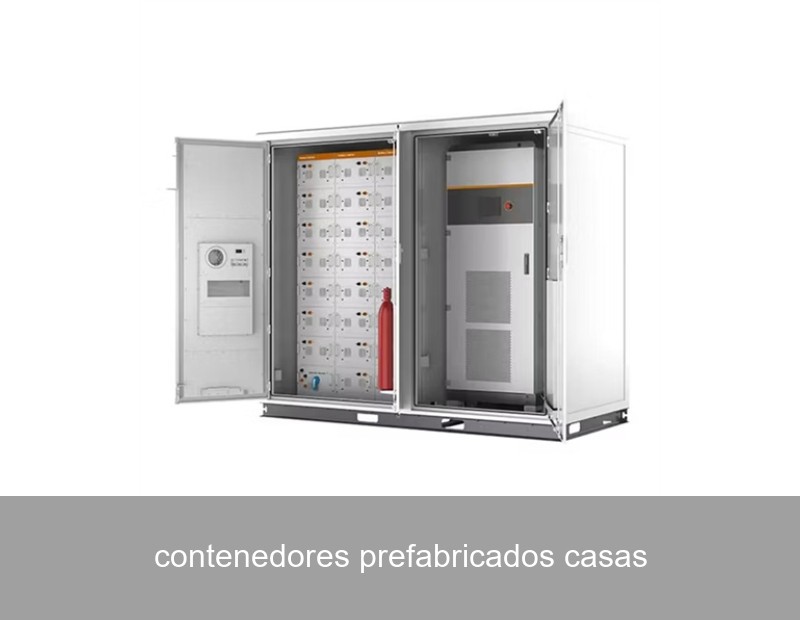
Imagine your dream home: modern, affordable, and with a minimal environmental footprint. This is the powerful promise of prefabricated container homes. These innovative dwellings, crafted from repurposed shipping containers, are revolutionizing sustainable architecture. But a truly self-sufficient home needs more than just clever design; it needs a reliable, intelligent heart. That's where advanced energy storage comes in. As we embrace off-grid living and energy independence, the question becomes: how do we ensure these compact, efficient homes have a power system that's just as resilient and forward-thinking? The answer lies in seamlessly integrating solar generation with sophisticated battery storage.
Table of Contents
The Rise of the Sustainable Container Home
The appeal of prefabricated container houses is undeniable. They offer faster construction, significant cost savings, and a fantastic way to upcycle steel structures. For the environmentally conscious homeowner in Europe and the US, they represent a tangible step towards a greener lifestyle. The modular nature allows for creative, scalable designs, from cozy single-unit retreats to expansive multi-container family homes. But this very efficiency creates a unique scenario: a highly insulated, compact space with specific energy demands that must be met reliably, often in locations away from traditional grid infrastructure.

Credit: Photo from Unsplash by Jeremy Bishop. Modern container homes often feature integrated renewable energy systems.
The Hidden Energy Challenge of Compact Living
Let's break down the energy profile of a typical off-grid or grid-tied container home. You have high-efficiency appliances, HVAC systems designed for small spaces, and possibly electric vehicle charging. The phenomenon? Total energy independence is thrilling until you face a cloudy week or peak winter demand. The data is clear: a residential solar system without storage sends excess daytime energy back to the grid, leaving you dependent on it at night. According to the U.S. Department of Energy, pairing solar with storage can increase a home's consumption of self-generated electricity from 30% to over 80%. For a container home, maximizing every kilowatt-hour is not just economical; it's essential for resilience.
Key Energy Considerations for Container Homes:
- Limited Rooftop Space: The container's roof area restricts the size of your solar array, making energy efficiency and storage capacity critical.
- Thermal Management: Extreme temperatures increase heating/cooling loads. A battery system must handle these surge demands.
- Off-Grid Viability: For truly remote builds, the storage system must be the sole backup, requiring exceptional reliability and cycle life.
The Solution: Integrated Solar + Storage Systems
This is where the magic happens. An intelligently designed solar-plus-storage system transforms your prefabricated container house into a self-sufficient energy hub. The logic is a powerful step-up: 1) Solar panels generate clean energy. 2) Excess energy charges the battery storage system instead of being exported. 3) The battery powers your home when the sun isn't shining, and 4) during a grid outage (or if you're off-grid), it seamlessly takes over. This isn't just a backup generator; it's a dynamic energy manager that optimizes your consumption, lowers your bills, and secures your power supply.
| System Type | Pros | Cons | Best For |
|---|---|---|---|
| Solar-Only (Grid-Tied) | Lower upfront cost, reduces electricity bills. | No power during grid outages, wastes excess solar. | Urban areas with reliable grid, net metering. |
| Solar + Storage (Hybrid) | Energy independence, backup power, maximizes self-use. | Higher initial investment. | Areas with frequent outages, partial off-grid goals. |
| Solar + Storage (Off-Grid) | Complete energy autonomy, no grid connection needed. | Requires careful sizing, higher battery capacity. | Remote locations, true off-grid living. |
Case Study: Off-Grid Resilience in the Norwegian Fjords
Let's look at a real-world example. A couple in Norway built a stunning two-container home in a remote fjord with no access to the utility grid. Their challenge was to have a year-round reliable power supply despite long, dark winters. Their solution included a 12 kW solar array and a robust 40 kWh lithium iron phosphate (LFP) battery storage system. The data from their first year is compelling: the system achieved 98% energy self-sufficiency. Even during December, with only 4 hours of daylight, the battery bank, sized for multiple days of autonomy, provided uninterrupted power for heating (via a heat pump), lighting, and all appliances. This case, documented by the International Energy Agency in a report on decentralized energy systems, highlights that with correct sizing and quality components, off-grid living in harsh climates is not just possible but comfortable.
How Highjoule Empowers Your Container Home Project
At Highjoule, we understand that your prefabricated container home is a masterpiece of efficiency. Our energy systems are designed to match that philosophy. Since 2005, we've been pioneering advanced battery storage solutions that are perfectly suited for the unique demands of compact, sustainable dwellings.
For residential and small-scale commercial projects like container homes, our EverFlow Home Series is a standout. These modular lithium-ion battery systems are known for their high energy density—meaning you get more storage capacity in a smaller footprint, a crucial factor when space is at a premium. They integrate effortlessly with most solar inverters and feature an intelligent energy management system that learns your consumption patterns to optimize savings and performance.

Credit: Photo from Unsplash by Kindel Media. Modern battery systems, like Highjoule's EverFlow, are compact and wall-mountable.
Beyond the hardware, Highjoule provides comprehensive support. We offer pre-installation consultancy to correctly size your system based on your location, home design, and energy goals. Our global service network, with strong presence in Europe and the US, ensures you have expert support throughout the lifecycle of your system. For larger container-based projects, like microgrids for eco-communities or commercial builds, our scalable industrial storage solutions provide the same intelligence and reliability on a grander scale.
Choosing the Right Energy Storage System for Your Container Home
Selecting a battery isn't just about picking the highest kWh rating. Here’s a quick guide on what to look for:
- Chemistry: LFP (Lithium Iron Phosphate) batteries, like those used by Highjoule, offer superior safety, longer lifespan (often over 6000 cycles), and better performance across a wider temperature range compared to traditional NMC batteries.
- Scalability: Can you easily add more battery modules later if your needs change? Modular systems offer this flexibility.
- Management & Monitoring: A user-friendly app that lets you track energy flow, savings, and system health is indispensable for the modern homeowner.
- Warranty & Support: Look for a strong warranty (10+ years) and a provider with a proven track record in your region.
So, as you finalize the plans for your sustainable prefabricated container home, have you considered what the energy blueprint will look like? What level of energy independence would make you feel truly secure and empowered in your new space?
 Inquiry
 Online Chat