


Day Energy Storage Cabinet: The Cornerstone of Modern Energy Independence
Have you ever glanced at your electricity bill and wondered where all that energy goes during the day? For businesses and homeowners alike, the sunniest or most productive hours often coincide with the highest energy prices. This daily peak demand cycle is a global challenge, straining grids and budgets. But what if you could capture inexpensive energy and deploy it precisely when you need it most? Enter the day energy storage cabinet—a sophisticated, self-contained system designed to provide reliable, cost-effective power throughout daylight operations. This isn't just a battery in a box; it's the intelligent heart of a new energy paradigm, enabling true independence from the volatile grid.
Table of Contents
- The Peak Problem: Why Daytime Energy Costs So Much
- What Exactly is a Day Energy Storage Cabinet?
- From Sunlight to Savings: How a Day Storage Cabinet Works
- Real-World Impact: A Case Study from California
- Choosing the Right System: Key Considerations
- The Highjoule Advantage: Engineered for Performance and Simplicity
- The Future of Daytime Power: What's Next?
The Peak Problem: Why Daytime Energy Costs So Much
The phenomenon is known as "peak demand." Imagine a typical weekday: factories are humming, offices are lit, and air conditioners are battling the afternoon heat. This collective surge in electricity use, typically between 10 AM and 8 PM, forces utilities to fire up expensive, often fossil-fuel-based "peaker plants." The cost of this peak generation is passed directly to consumers through time-of-use (TOU) rates or demand charges. For a commercial operation, demand charges alone can constitute up to 50% of the total electricity bill. This creates a significant financial incentive to flatten your energy consumption curve—and that's precisely the mission of a dedicated day energy storage cabinet.
What Exactly is a Day Energy Storage Cabinet?
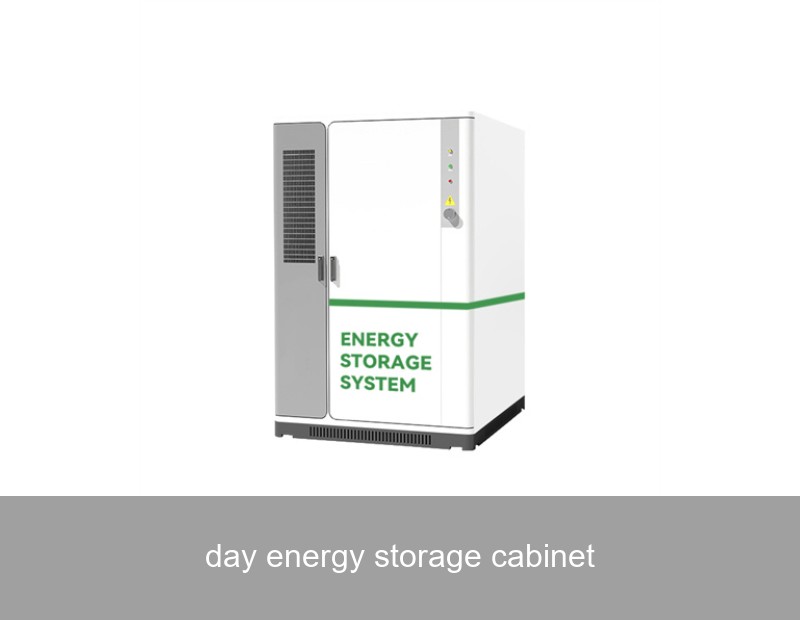
A day energy storage cabinet is a fully integrated, plug-and-play energy storage system (ESS). It's more than just batteries; it's a unified assembly containing lithium-ion battery modules, a built-in battery management system (BMS), thermal management, safety systems, and power conversion components. Designed for daily, deep-cycle operation, it charges during periods of low cost or high renewable generation (like midday solar production) and discharges during expensive peak hours. Its modular, cabinet-based design allows for scalable deployment in commercial, industrial, and even large residential settings, making advanced energy management accessible and straightforward.

A modern, cabinet-style energy storage system integrates seamlessly into commercial properties.
Core Components of an Effective System
- Lithium-Ion Battery Modules: Typically using Lithium Iron Phosphate (LFP) chemistry for safety, longevity, and excellent cycle life.
- Integrated Battery Management System (BMS): The brain of the operation, ensuring cell balance, monitoring health, and preventing unsafe conditions.
- Power Conversion System (PCS): The inverter/charger that converts DC battery power to AC for your building and manages the flow of energy.
- Thermal Management: Critical for performance and safety, using liquid or air cooling to maintain optimal operating temperature.
- Safety Enclosure & Monitoring: A robust, often UL-certified cabinet with fire suppression, ventilation, and remote monitoring capabilities.
From Sunlight to Savings: How a Day Storage Cabinet Works
The operation is elegantly logical, governed by smart software that maximizes your economic return. Let's walk through a typical day for a business with solar panels and a Highjoule day storage cabinet.
| Time of Day | Energy Source | Action | Financial Benefit |
|---|---|---|---|
| Early Morning (Low Rate) | Grid | Cabinet charges from the low-cost grid. | Buys energy cheap. |
| Midday (Solar Peak) | Solar PV | Cabinet charges from excess solar, powering the building directly. | Avoids buying grid power, maximizes self-consumption. |
| Late Afternoon (Peak Rate) | Storage Cabinet | Cabinet discharges to power the building, avoiding grid draw. | Avoids expensive peak-time rates and demand charges. |
| Evening (Moderate Rate) | Grid / Storage | Cabinet may provide backup or shift to a lower power mode. | Ensures continuity for critical loads. |
This daily cycle, often called "peak shaving" or "arbitrage," directly translates to lower utility bills. The system's intelligence, like that in Highjoule's EnergyOS platform, can even respond to real-time grid signals, providing valuable services that may generate additional revenue streams.
Real-World Impact: A Case Study from California
Data speaks louder than theory. Consider a medium-sized manufacturing facility in Southern California, a region known for high electricity costs and supportive energy policies. The facility faced average monthly demand charges exceeding $15,000 and steep TOU rates.
The Solution: They installed a 500 kWh / 250 kW Highjoule H-Cube commercial day energy storage cabinet, integrated with their existing 300 kW rooftop solar array.
The Results (12-Month Period):
- Demand Charge Reduction: Peak grid draw was reduced by 85%, slashing demand charges by over $12,000 monthly.
- TOU Bill Savings: By avoiding peak-period grid purchases, they saved an additional 30% on their volumetric energy costs.
- Solar Self-Consumption: Increased from 40% to over 90%, meaning almost all their solar power was used on-site, not exported at lower rates.
- ROI: The project achieved a simple payback period of under 4 years, thanks to combined savings and available incentive programs.
This case demonstrates that a day energy storage cabinet is not an expense but a strategic investment with a clear and calculable return.
Choosing the Right System: Key Considerations
Not all storage cabinets are created equal. When evaluating options, focus on these critical factors:
1. Chemistry and Cycle Life
LFP chemistry is now the industry standard for daily cycling due to its superior safety profile (excellent thermal stability) and cycle life (often 6,000+ cycles to 80% capacity). Ensure the system warranty reflects this long-term performance.
2. Depth of Discharge (DoD) & Round-Trip Efficiency
A high usable DoD (e.g., 90%) means you can access more of the energy you've stored. High round-trip efficiency (over 92%) ensures minimal energy is lost in the charge/discharge process, maximizing your financial return.
3. Scalability and Integration
Can you start with a smaller system and add cabinets as your needs grow? Does it seamlessly integrate with your existing solar, generator, or building management system? A modular design like Highjoule's offers this crucial flexibility.
The Highjoule Advantage: Engineered for Performance and Simplicity
At Highjoule, we've spent nearly two decades refining the art and science of energy storage. Our day energy storage cabinets, particularly the H-Cube Commercial Series, are built from the ground up to deliver unwavering reliability and maximum value.

Highjoule systems are designed for intuitive monitoring and control.
What sets our solution apart is the deep integration of hardware and software. The H-Cube cabinet features our proprietary, UL 9540 listed LFP battery packs and efficient thermal management. This hardware is animated by EnergyOS, our intelligent energy management platform. EnergyOS doesn't just react—it forecasts. By analyzing weather patterns, your historical load, and utility rate schedules, it optimizes every charge and discharge cycle to save you the most money possible. Furthermore, our global service network provides peace of mind, with remote monitoring and local support ensuring your system performs optimally for its entire lifespan.
Whether for a warehouse in Texas, a farm cooperative in Spain, or a retail chain across the Midwest, Highjoule provides a tailored, future-proof energy resilience solution.
The Future of Daytime Power: What's Next?
The trajectory is clear. As renewable penetration increases, the value of flexible, storable energy only grows. We are moving towards interactive grid ecosystems where distributed resources like day storage cabinets play a vital role in stability. The next evolution may see your storage cabinet not just saving you money, but actively participating in grid-balancing markets, creating a new revenue line while supporting the broader community's clean energy transition.
Is your business ready to transform its daily energy cost from a fixed overhead into a manageable, optimized asset? What would a 30% reduction in your annual electricity expenses allow you to reinvest in?
 Inquiry
 Online Chat