


Unlocking True Energy Independence: The Rise of the Plus Energy Solar Inverter
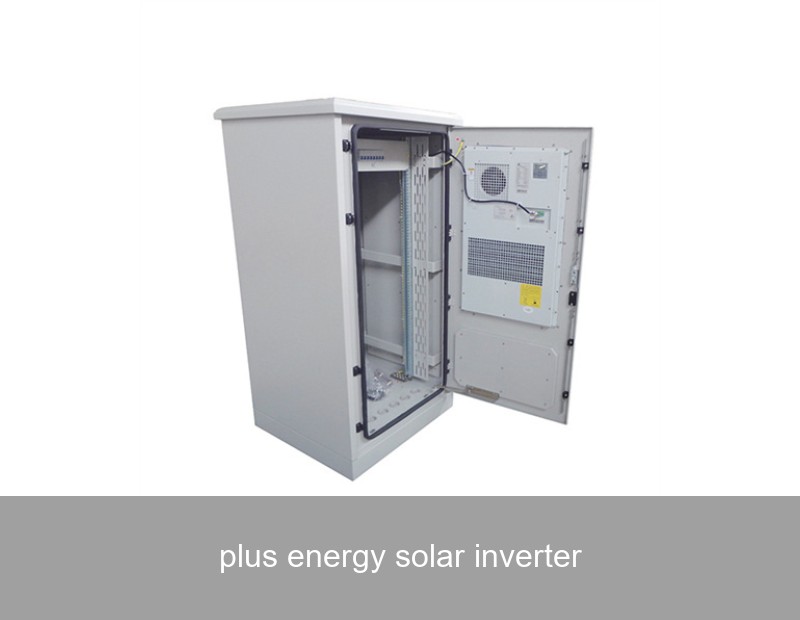
Imagine a home that doesn't just generate its own solar power but consistently produces a significant surplus. This isn't a vision of the distant future; it's the reality enabled by today's most advanced solar technology: the plus energy solar inverter. For homeowners and businesses across Europe and the US, this technology is transforming the promise of energy self-sufficiency from a hopeful goal into a measurable, daily achievement. But what exactly makes a system "plus energy," and how does the inverter—the brain of your solar setup—make it possible? Let's explore how this innovation is redefining what our energy systems can do.
Table of Contents
- What is a Plus Energy System? Beyond Net-Zero
- The Heart of the System: The Plus Energy Solar Inverter's Critical Role
- Key Features of a Modern Plus Energy Inverter
- Real-World Impact: A Case Study from Bavaria
- The Highjoule Solution: Engineering for Surplus
- The Bigger Picture: Plus Energy Homes and the Future Grid
What is a Plus Energy System? Beyond Net-Zero
You're likely familiar with "net-zero" energy buildings—structures that, over a year, produce as much renewable energy as they consume. A plus energy (or energy-positive) building takes a giant leap further. It is designed and equipped to generate more renewable energy than it uses on an annual basis. This surplus isn't a happy accident; it's the result of high-efficiency components, intelligent energy management, and, crucially, a solar inverter built for more than just basic conversion.
The phenomenon is gaining traction. According to a 2024 IEA Special Report on Solar PV, global solar capacity is set to dominate electricity growth, with a focus increasingly on system optimization and maximizing self-consumption. This shift is where the specialized plus energy solar inverter becomes indispensable.
The Heart of the System: The Plus Energy Solar Inverter's Critical Role
Think of your solar panels as the muscle, generating raw DC power. The inverter is the brain and central nervous system. A standard inverter converts DC to usable AC power for your home. A plus energy solar inverter, however, is a master strategist. Its primary goal is to manage an abundant, fluctuating energy flow to maximize self-use, optimize storage, and intelligently export surplus to the grid—all while ensuring system stability and longevity.
When your panels produce a massive surplus on a sunny afternoon, a basic inverter might simply push it all to the grid (often at low feed-in tariffs). A plus-energy-optimized inverter, however, engages in a sophisticated dance: it powers your home, fills your battery storage to its optimal level, and can even divert excess to smart loads like water heaters or electric vehicle chargers. Only then does it export the remainder. This intelligent prioritization is what turns potential waste into valuable, on-site energy.
Key Features of a Modern Plus Energy Inverter
Not all inverters are created equal. To truly enable a plus-energy outcome, look for these capabilities:
- High Peak Efficiency (>98%): Minimizes energy loss during conversion, ensuring more of your precious solar harvest makes it to your appliances or battery.
- Dynamic Grid Support Functions: Features like voltage and frequency regulation help stabilize the local grid, especially important in neighborhoods with high solar penetration.
- Advanced Battery Hybrid Management: Seamlessly integrates and manages multiple battery storage units, enabling true 24/7 energy independence from the grid.
- Smart Load Control: The ability to automatically direct surplus power to secondary circuits, turning excess generation into tangible savings (e.g., heating your pool or pre-heating your home).

Image Source: Unsplash. A modern hybrid inverter, the core component for managing solar, battery, and grid power.
Real-World Impact: A Case Study from Bavaria
Let's move from theory to practice. Consider the Müller family home in southern Germany, a region with solar irradiance comparable to parts of the northern United States. Their goal was not just to offset bills but to become a resilient energy hub.
- System Installed: 15.4 kWp solar array, a 20 kWh lithium-ion battery, and a high-efficiency plus energy solar inverter with smart energy management.
- Result (First Year): The household consumed 8,200 kWh annually. The system generated 16,300 kWh—an impressive 199% of their annual consumption.
- Surplus Management: The intelligent inverter managed this surplus to achieve 92% self-consumption. The battery covered nearly all nighttime and cloudy-day needs, while the smart load control used excess solar for domestic hot water and a heat pump. The remaining, truly "extra" energy was fed to the grid, creating a revenue stream.
This case, documented in a Fraunhofer ISE study on energy-positive buildings, illustrates the tangible outcome: the inverter's intelligence was the key to transforming high generation into maximal self-use and financial return.
The Highjoule Solution: Engineering for Surplus
At Highjoule, we've been at the forefront of advanced energy management since 2005. We understand that achieving plus-energy status requires more than just large panels; it requires an integrated, intelligent system. Our Helios MAX Hybrid Inverter is engineered specifically for this mission.
Building on the principles outlined above, the Helios MAX is the cornerstone of a true plus-energy system. It features industry-leading 98.6% peak efficiency and is natively designed to manage multiple Highjoule QuantumFlow Battery units in parallel. Its proprietary Adaptive Surplus Logic (ASL) software constantly analyzes energy production, consumption patterns, weather forecasts, and even grid tariff schedules. It doesn't just react; it predicts and optimizes.
For example, on a forecasted sunny day, ASL might decide to conservatively discharge the battery in the morning (knowing it will be fully recharged later), using that stored energy to avoid peak grid prices, while reserving inverter capacity to handle the massive midday solar surge. This level of predictive management is what squeezes every possible kilowatt-hour of value from your system, pushing you reliably into energy-positive territory.
| System Component | Standard Solar Setup | Highjoule Plus-Energy Setup |
|---|---|---|
| Inverter Core Function | Basic DC to AC conversion | Intelligent energy management, storage orchestration, and grid interaction |
| Surplus Energy Handling | Primarily exported to grid | Prioritized for smart loads, battery storage, then optimized export |
| Grid Dependency | High - needs grid for nighttime power | Minimal - battery + smart management ensure near-total self-sufficiency |
| Financial Optimization | Relies on feed-in tariffs | Maximizes self-consumption to avoid high retail rates, uses export as a secondary income |

Image Source: Unsplash. A modern energy-positive home, generating more power than it consumes.
The Bigger Picture: Plus Energy Homes and the Future Grid
The rise of the plus energy solar inverter isn't just a win for individual homeowners. It's a critical piece of the decarbonization puzzle. When thousands of such systems form a decentralized network, they become virtual power plants (VPPs), providing clean, distributed energy that can balance grid demand and reduce the need for fossil-fuel-powered peaker plants. Highjoule's systems are designed with this future in mind, offering grid-support services that allow utility operators to leverage distributed storage for community-wide stability.
This evolution is supported by research from institutions like the National Renewable Energy Laboratory (NREL), which highlights the importance of inverter-based resources for grid reliability. Your home, powered by intelligent technology, can become an active participant in a cleaner, more resilient energy ecosystem.
Ready to See Your Energy Potential?
The journey from energy consumer to energy producer begins with the right technology. While a plus-energy outcome depends on your specific site, consumption, and goals, the foundation is always an inverter capable of sophisticated management. What would you do with an energy system that consistently gives you more power than you need?
We invite you to explore what a Highjoule Helios MAX system, designed around a true plus energy solar inverter, could achieve for your home or business. Our experts are ready to help you model your potential surplus and build a roadmap to true energy independence.
 Inquiry
 Online Chat