


Diesel Generator Power Plant: The Resilient but Evolving Backbone of Energy Security
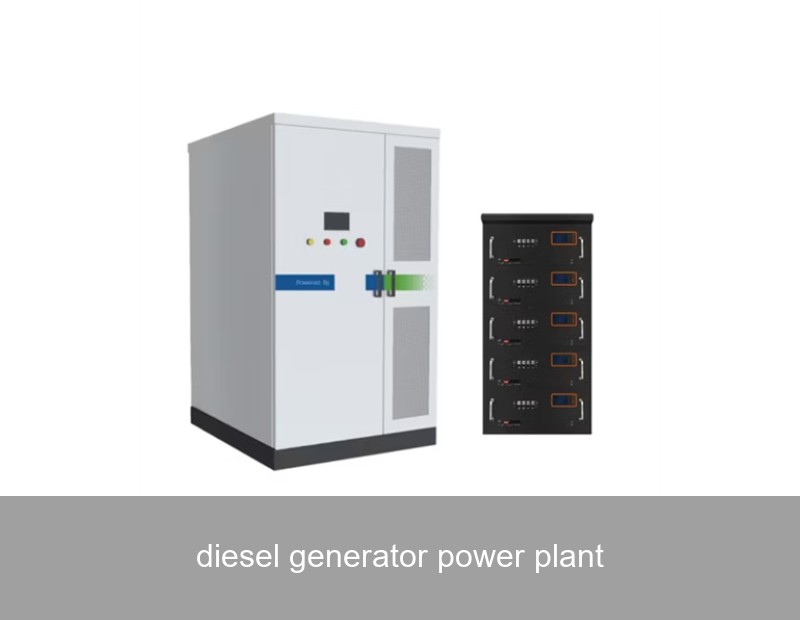
For decades, the diesel generator power plant has been the undisputed champion of backup power. From hospitals safeguarding life-support systems to data centers ensuring global connectivity, these workhorses have provided critical energy security. Yet, as the world grapples with climate goals and volatile fuel prices, a fundamental question arises: is the traditional diesel genset still the optimal solution for reliable power? This article explores the enduring role, the pressing challenges, and the innovative hybrid and renewable alternatives that are reshaping the landscape of dispatchable power.
Table of Contents
The Phenomenon: Why Diesel Generator Power Plants Dominated
Let's be honest, the popularity of diesel generators isn't a mystery. They offer a compelling value proposition for emergency and off-grid power:
- Instantaneous Response: They can ramp up to full power in seconds, bridging gaps during grid outages seamlessly.
- High Energy Density: Diesel fuel packs a lot of energy in a relatively small volume, making storage and logistics straightforward.
- Perceived Reliability: The technology is mature, well-understood by technicians globally, and readily available.
- Grid Independence: They provide true off-grid capability, crucial for remote sites or critical infrastructure.
For a long time, this made the diesel generator power plant the default, and often the only, choice for guaranteed power. But as our energy priorities evolve, so must our solutions.

Traditional diesel power plants offer reliability but come with operational and environmental costs. (Credit: Unsplash)
The Data: The Real Cost of Diesel Dependence
The operational picture for a standalone diesel generator power plant has become increasingly complex. Beyond the capital expenditure, the true total cost of ownership (TCO) reveals significant challenges:
| Cost Factor | Impact & Volatility | Long-Term Trend |
|---|---|---|
| Fuel Costs | Highly susceptible to geopolitical events and market fluctuations. A U.S. Energy Information Administration (EIA) report shows diesel price volatility can exceed 50% year-over-year. | Upward pressure from carbon pricing and supply constraints. |
| Maintenance & O&M | Regular servicing, part replacements, and degradation from frequent starts/load changes increase with runtime. | Consistently high, labor-intensive. |
| Emissions & Compliance | CO2, NOx, and particulate matter emissions face tightening regulations (e.g., EU Stage V, EPA standards). Non-compliance risks fines. | Increasingly stringent, requiring costly after-treatment systems. |
| Carbon Footprint | Diesel gensets emit ~2.6 kg of CO2 per liter of fuel burned, conflicting with corporate ESG (Environmental, Social, and Governance) goals. | Growing stakeholder and investor pressure to reduce. |
This data paints a clear picture: while the diesel generator provides critical backup, relying on it as a primary or frequent power source is becoming economically and environmentally burdensome.
The Case Study: A European Port's Transition from Pure Diesel to Hybrid
Consider the real-world example of a medium-sized container port in Northern Europe. Facing rising operational costs and ambitious sustainability targets, the port authority analyzed its power infrastructure for its refrigerated container storage (reefer) yard and auxiliary services.
The Old Model: The site relied on a 2 MW diesel generator power plant, running nearly 24/7 during peak seasons to power hundreds of reefers. Annual fuel costs exceeded €800,000, with maintenance adding another €120,000. CO2 emissions were substantial, undermining the port's public sustainability commitments.
The New Hybrid Solution: The port partnered with Highjoule to design and deploy a containerized Hybrid Microgrid Solution. The system integrated:
- A 1.5 MW/3 MWh Highjoule BESS (Battery Energy Storage System) using lithium-iron-phosphate (LFP) chemistry for safety and longevity.
- The existing 2 MW diesel generators (now significantly downsized in runtime).
- A Smart Power Management System (PMS) from Highjoule for autonomous control.
The Outcome (18 Months Post-Installation):
- Fuel Savings & Emissions: Diesel runtime reduced by over 70%. Annual fuel costs dropped by approximately €560,000, and CO2 emissions were cut by ~2,500 tons.
- Operational Stability: The BESS handles all short-term load fluctuations and peak shaving, providing "silent" power. The generators now only start for extended high-load periods or if the battery is depleted, leading to less wear and tear.
- Financial Payback: The project achieved a return on investment (ROI) in under 4 years, factoring in fuel savings, maintenance reductions, and available grid-service incentives.
This case demonstrates that the diesel generator's role isn't being eliminated; it's being optimized. It becomes a strategic backup within a smarter, cleaner system.
The Insight: The Hybrid Power Plant Model - Intelligence Meets Resilience
The future isn't about ripping out existing diesel assets. It's about making them smarter. The insight from leading-edge projects is that a hybrid power plant, combining thermal and battery storage, delivers superior outcomes. Here’s the logic:
- Battery Storage as the First Responder: For most short-duration outages or daily peak demand, the BESS activates instantaneously—faster than any diesel generator. It provides seamless power without noise, emissions, or fuel burn.
- Diesel as the Strategic Reserve: The generator is preserved for long-duration events, ensuring ultimate resilience. This extends its life and reduces maintenance cycles.
- The Brain: Advanced Energy Management: An intelligent controller (like Highjoule's PMS) continuously analyzes load, fuel levels, battery state-of-charge, and even weather forecasts. It makes real-time decisions on the most economical and efficient source to dispatch.

Modern Battery Energy Storage Systems (BESS) form the intelligent core of a hybrid power plant. (Credit: Unsplash)
This model transforms a simple backup system into a dispatchable asset that can also participate in grid-balancing services (where market structures allow), creating a potential new revenue stream.
Highjoule's Role: Delivering Intelligent, Sustainable Power Solutions
At Highjoule, we understand this transition intimately. Since 2005, we have evolved from an advanced battery provider to a global leader in integrated energy storage systems. We don't just sell hardware; we deliver tailored power resilience strategies.
For businesses currently reliant on a diesel generator power plant, Highjoule offers a clear pathway to modernization:
- Highjoule BESS Solutions: Our scalable, containerized battery systems, built with tier-1 cells and our proprietary thermal management, are designed for high-cyclability and safety, perfectly complementing existing generators.
- Hybrid System Integration: Our engineering team specializes in designing and deploying turnkey hybrid systems. We handle the complex integration of batteries, generators, solar PV, and the grid, ensuring flawless communication and control.
- AI-Powered Energy Management Software: Our platform is the nerve center. It optimizes energy flow in real-time for cost and carbon savings, provides remote monitoring, and forecasts performance.
- Services for C&I and Microgrids: From initial feasibility studies and financial modeling to commissioning and long-term maintenance, we support commercial, industrial, and community microgrid projects globally, ensuring they meet both reliability and sustainability KPIs.
Our solutions are deployed worldwide, helping industries from manufacturing and healthcare to utilities reduce their dependence on pure diesel generation while strengthening their energy security.
The Future of Your Power Resilience
The narrative around the diesel generator power plant is shifting from one of standalone necessity to one of component within a sophisticated, multi-asset portfolio. The technology that has underpinned our energy resilience for so long is now being augmented by intelligent storage and software.
This evolution presents a significant opportunity. What if your backup power system could also cut your energy bills, reduce your carbon footprint, and future-proof your operations against fuel price spikes and tightening regulations?
The question for facility managers, energy directors, and sustainability leaders is no longer "How many diesel generators do we need?" but rather: "What is the optimal mix of technologies—battery storage, renewable generation, and existing thermal assets—to achieve our specific reliability, economic, and environmental goals?"
How will you redefine your site's energy resilience in the coming year?
 Inquiry
 Online Chat