


Electric Grid Automation: The Key to a Resilient and Renewable-Powered Future
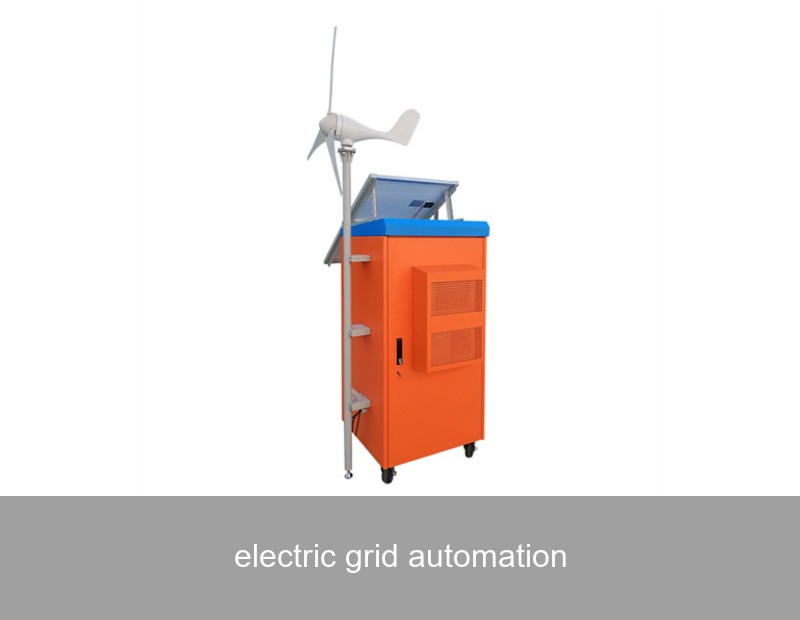
Imagine a power grid that thinks for itself. One that can anticipate a surge in demand, instantly reroute power around a fallen tree, seamlessly integrate a burst of solar energy from a neighborhood, and prevent a local hiccup from becoming a widespread blackout. This isn't science fiction; it's the reality being built today through electric grid automation. For grid operators, utilities, and businesses across Europe and the US, this transition from a passive, one-way grid to an intelligent, self-healing network is no longer a luxury—it's an urgent necessity. The rise of volatile renewable energy and extreme weather events are pushing our century-old grid infrastructure to its limits. The solution lies in making it smarter, and automation is the brainpower behind that transformation.
Table of Contents
- The Pressure on the Modern Grid: A Perfect Storm
- What is Electric Grid Automation, Really?
- The Data Doesn't Lie: Automation's Tangible Impact
- Case Study: How a German DSO Embraced Automation
- The Critical Role of Advanced Energy Storage in Automation
- The Highjoule Approach: Intelligent Storage as an Automation Engine
- Getting Started on Your Grid Automation Journey
The Pressure on the Modern Grid: A Perfect Storm
Our electricity grids were designed for a different era—one dominated by large, predictable coal, gas, and nuclear plants sending power in one direction to passive consumers. Today, that model is being turned upside down. Two primary forces are driving the need for electric grid automation:
- The Renewable Revolution: Solar and wind are inherently variable. A passing cloud or a lull in the wind can cause rapid fluctuations in power generation. In Germany, for instance, renewables occasionally supply nearly 100% of the country's power demand. This intermittency requires a grid that can react in milliseconds, not minutes.
- Climate Change and Resilience: From heatwaves in California to winter storms in Texas and intense storms across Europe, extreme weather is causing more frequent and severe outages. The US Department of Energy notes that weather-related outages have increased dramatically over the past two decades. A manual, reactive grid is ill-equipped for this new normal.

This "perfect storm" creates instability, inefficiency, and vulnerability. The traditional answer—building more "peaker" plants and transmission lines—is incredibly costly, slow, and often counter to decarbonization goals. We need a smarter solution.
What is Electric Grid Automation, Really?
At its core, electric grid automation is the use of digital technology, sensors, software, and automated control systems to monitor, protect, and optimize the operation of the electrical grid in real-time. Think of it as moving from manual steering with a map (the old grid) to a self-driving car with GPS, radar, and AI (the automated grid).
Key components include:
- SCADA (Supervisory Control and Data Acquisition): The nervous system, collecting data from sensors across the grid.
- Advanced Distribution Management Systems (ADMS): The brain, using grid models and analytics to make control decisions.
- Automated Switching & Self-Healing Networks: The reflexes. When a fault is detected, automated reclosers and switches can isolate the problem and reroute power in seconds, often before customers notice.
- Distributed Energy Resource Management Systems (DERMS): The orchestra conductor, coordinating thousands of distributed assets like rooftop solar, EV chargers, and, crucially, battery storage systems.
The Data Doesn't Lie: Automation's Tangible Impact
The benefits of automation are quantifiable and significant. Studies by organizations like the Electric Power Research Institute (EPRI) consistently show:
| Metric | Improvement with Automation | Impact |
|---|---|---|
| Outage Duration (SAIDI) | 40-70% Reduction | Customers experience fewer and shorter blackouts. |
| Renewable Integration Capacity | Up to 30% Increase | Grids can host more solar and wind without costly upgrades. |
| Operational Efficiency | 15-25% Improvement | Reduced line losses and optimized voltage save energy and money. |
These numbers translate to real-world reliability for homes and businesses, and major operational savings for utilities.
Case Study: How a German DSO Embraced Automation
Let's look at a real example from Europe. A regional Distribution System Operator (DSO) in Northern Germany faced a classic challenge: their network, rich with wind power, was experiencing voltage instability and congestion, threatening to curtail (waste) clean energy.
The Problem: During windy periods, local voltage would exceed statutory limits, forcing the DSO to manually curtail wind farms—a loss of revenue for producers and a setback for climate goals.
The Automated Solution: Instead of investing millions in new cables, they implemented a grid automation scheme centered on a Distributed Energy Resource Management System (DERMS). They partnered with flexible asset providers to create a virtual power plant. The key automated actions were:
- Real-time Monitoring: The DERMS continuously tracked voltage at critical nodes.
- Automated Dispatch: When voltage crept too high, the system automatically sent a signal to a network of behind-the-meter commercial battery storage systems (like those from Highjoule) to absorb excess power.
- Dynamic Response: When voltage dropped, the batteries would discharge to support the grid.
The Result: Within the first year, the DSO reported a 92% reduction in wind curtailment in the target area. Grid stability improved without a single traditional reinforcement project. This case perfectly illustrates how electric grid automation, when combined with flexible assets, solves modern grid problems with elegance and efficiency.
The Critical Role of Advanced Energy Storage in Automation
You can't automate what you can't control. This is where advanced battery energy storage systems (BESS) become the indispensable "hands and feet" of the automated grid brain. An automated command is only as good as the asset that executes it. Storage provides the critical flexibility and instantaneous response that automation software requires to be effective.
- The Ultimate Grid Tool: A BESS can shift energy from times of abundance to times of scarcity, smooth out renewable fluctuations, provide backup power, and regulate voltage and frequency—all at the speed of a computer.
- From Passive to Active Asset: In an automated framework, a storage system is no longer just a backup power source. It becomes an active grid participant, responding autonomously to signals from the utility's ADMS or DERMS to perform services that keep the entire network stable.

The Highjoule Approach: Intelligent Storage as an Automation Engine
At Highjoule, we've been at the forefront of this convergence since 2005. We don't just see storage as a box of batteries; we see it as the physical enabler of electric grid automation. Our systems are designed from the ground up to be the perfect partner for automated grid management.
Our H-Series Commercial & Industrial (C&I) and Utility-Scale Storage Systems come with our proprietary EnergyOS™ platform. Think of EnergyOS™ as the "autopilot" for the storage system itself, and its seamless integration capability is what makes it a powerful tool for grid-wide automation.
- Grid-Aware Intelligence: EnergyOS™ can be configured to automatically respond to local conditions (like voltage or frequency) or to execute commands from a utility's central DERMS. This allows our BESS to perform automated voltage support, peak shaving, and frequency regulation without human intervention.
- API-First Design: For large-scale automation projects, our systems are built with robust, secure APIs. This allows them to be easily aggregated into virtual power plants (VPPs) and controlled by third-party DERMS or energy management platforms, exactly as in the German case study.
- Reliability as a Foundation: Automation requires assets you can trust. Highjoule's systems are engineered for 24/7/365 operation, with robust thermal management and safety systems, ensuring they are always ready to execute an automated command when the grid needs it most.
Whether it's a manufacturing plant in Ohio wanting to automate its energy costs or a municipal utility in Spain looking to create a self-healing grid loop, Highjoule provides the intelligent, reliable storage backbone that makes advanced automation strategies possible and profitable.
Getting Started on Your Grid Automation Journey
The journey to a more automated grid often starts with a single, high-impact project. For a business, this might be automating your energy consumption with a Highjoule C&I system to avoid demand charges and provide backup. For a utility, it could be deploying storage with automated voltage control at a problematic feeder.
The key is to start with a clear problem, a measurable goal, and technology partners who understand both the hardware and software layers of automation.
What's the single biggest grid stability or energy cost challenge your organization is facing today, and how could a minute-by-minute automated response, rather than a monthly manual review, transform that challenge into an opportunity?
 Inquiry
 Online Chat