


Your Home's Brain: Why a Modern Electricity Inverter is the Key to Energy Independence
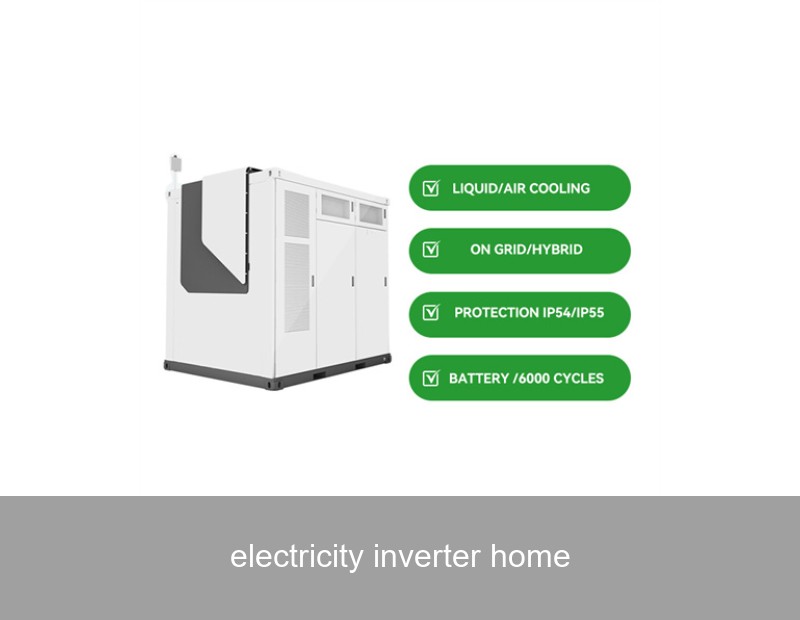
Imagine your home's energy system as a body. Solar panels are the muscles, capturing raw power. The battery is the heart, storing vitality. But what's the brain? That's the electricity inverter for home use. This unsung hero is the intelligent centerpiece, quietly managing the flow of power between your solar panels, battery, and appliances. For homeowners in Europe and the US, understanding this critical device is the first step towards true energy resilience, lower bills, and a sustainable future.
Table of Contents

A modern home energy setup hinges on a capable inverter. (Image source: Unsplash)
What Exactly is a Home Electricity Inverter?
In its simplest form, an inverter's job is to convert direct current (DC) into alternating current (AC). Your solar panels generate DC electricity. Your battery stores DC electricity. But nearly every appliance in your home—from your fridge to your TV—runs on AC power from the grid. The inverter is the essential translator.
But today's advanced electricity inverter for home systems are so much more. They are sophisticated energy managers. They decide whether to send solar power directly to your appliances, to charge your battery, or to export it to the grid. During an outage, they isolate your home from the grid (a feature called "islanding") to keep your lights on safely. The intelligence of your entire energy ecosystem depends on it.
Why Your Inverter Choice Matters More Than Ever
Gone are the days when an inverter was just a simple box. Two major trends are elevating its role:
- Rising Energy Costs & Grid Instability: With electricity prices soaring across Europe and parts of the US, and grid reliability becoming a concern, homeowners seek control. A high-efficiency inverter maximizes every kilowatt-hour your solar panels produce, directly slashing your bills.
- The Shift to All-Electric Homes: From heat pumps to EV chargers, home electrical loads are growing in size and complexity. Your inverter must handle these high-demand appliances smoothly and intelligently to avoid overloads.
This is where companies like Highjoule lead the way. We don't just see an inverter; we see the central nervous system of a modern, resilient home. Our HiveMind Home Energy Platform integrates a top-tier hybrid inverter with intelligent software, giving you unparalleled control, efficiency, and insight into your home's energy flows.
Types of Home Inverters: From Basic to Brainy
Not all inverters are created equal. Here’s a breakdown:
| Type | Best For | Key Limitation |
|---|---|---|
| String Inverters | Simple, budget-friendly solar-only systems. | Performance limited by the weakest panel; no native battery support. |
| Microinverters | Roofs with partial shading; panel-level monitoring. | Higher initial cost; complex to add storage later. |
| Hybrid Inverters (All-in-One) | Most homeowners today. Designed for solar + battery systems from the start. | Requires professional design for optimal sizing. |
| Advanced Energy Management Systems (like Highjoule's HiveMind) | Homes seeking full energy independence, grid services, and smart integration with EVs and heat pumps. | Premium investment for maximum future-proofing and functionality. |
The hybrid and advanced systems represent the smart choice for the future. Highjoule's hybrid inverters, for example, are built with robust, software-upgradable platforms that can adapt to new tariffs, participate in virtual power plants, and integrate with next-generation batteries.
Real-World Impact: A German Case Study
Let's move from theory to practice. Consider the Müller family in Bavaria, Germany. Facing electricity costs over €0.40/kWh and wanting backup power, they installed a 10 kW solar array with a 15 kWh battery in 2022.
- Phenomenon: High bills, desire for backup, surplus solar at noon wasted.
- Data: Their previous simple inverter exported excess power for a low feed-in tariff (€0.08/kWh).
- Case: They upgraded to a Highjoule HiveMind system with a smart hybrid inverter. The system's AI learned their consumption patterns and local weather forecasts.
- Insight & Result: Instead of exporting at noon, the inverter proactively charged the battery. The stored energy was then used during the high-price evening peak. The system also provided seamless backup during two grid outages. The result? Their energy self-consumption rate jumped from 35% to over 85%, and their annual electricity bill was reduced by an estimated 92%. The intelligence of the inverter transformed their system from a simple generator to a strategic asset.

Smart inverters provide detailed insights, turning data into savings. (Image source: Unsplash)
The Future-Proof Home: Inverters and Grid Services
The next frontier for the electricity inverter for home is becoming a two-way gateway for grid support. In regions like California or parts of the EU, utilities are creating programs for "virtual power plants" (VPPs).
A smart, grid-interactive inverter like those in the Highjoule portfolio can safely and automatically respond to grid signals. During times of high demand, it can briefly reduce export or even discharge a small amount from your battery (with your permission and for compensation) to help stabilize the community grid. This turns your home into a citizen of the new energy landscape, contributing to broader renewable integration. You're not just saving money; you're actively participating in the energy transition.
Choosing the Right Inverter for Your Home
So, how do you select this critical brain for your home? Ask these questions:
- Do I want battery backup now or in the future? If yes, a hybrid inverter is mandatory.
- What is my home's peak power demand? Add up the start-up watts of major appliances (AC, heat pump, EV charger). Your inverter must handle this surge.
- How important is monitoring and control? Look for user-friendly apps with real-time data and customizable modes (e.g., "Maximize Self-Consumption," "Backup Reserve").
- Is the system and brand future-proof? Can the inverter's software be updated? Does the manufacturer, like Highjoule with its 18+ years of grid-edge expertise, have a roadmap for new features and grid service integration?
Ultimately, your inverter is a long-term investment. Partnering with a provider that offers robust hardware, intelligent software, and proven grid integration capabilities ensures your system will deliver value for decades.
As you contemplate taking control of your home energy, what role do you want to play—a passive bill payer, or an active manager of your own clean power ecosystem?
 Inquiry
 Online Chat