


Power Solutions Australia: Navigating the Energy Transition with Smart Storage
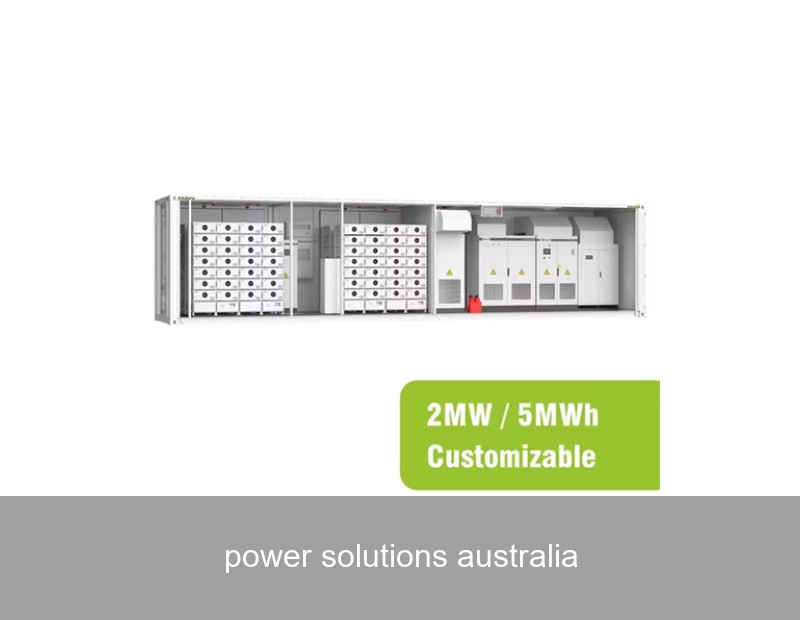
Australia's energy landscape is at a fascinating crossroads. Blessed with abundant sun and wind, the nation is rapidly embracing renewables. Yet, this very success highlights a critical challenge: how to manage the inherent intermittency of solar and wind power to ensure a stable, reliable, and affordable grid. This is where advanced power solutions Australia are stepping into the spotlight, transforming challenges into opportunities for homes, businesses, and entire communities. At the heart of this transformation lies intelligent energy storage—the key to unlocking a truly sustainable energy future. Companies like Highjoule, a global leader in advanced energy storage systems since 2005, are at the forefront, providing the smart technology needed to harness, store, and optimize this clean power.
Table of Contents
The Australian Energy Phenomenon
If you have a rooftop in Australia, chances are you've considered solar panels. The country has one of the highest uptakes of residential solar globally, with over 3.4 million rooftop systems installed. This is a phenomenal success story. However, it creates a unique "duck curve" effect—a dramatic midday dip in grid demand as solar floods the network, followed by a steep evening ramp-up as the sun sets and everyone turns on their appliances. This places immense strain on traditional coal and gas plants, leading to grid instability and price volatility.

This phenomenon isn't just a technical grid issue; it directly impacts your electricity bill and energy security. The solution? Moving from passive consumption to active energy management. This means not just generating power, but storing it for when it's needed most. Effective power solutions Australia must address this temporal mismatch, and that's precisely what modern battery energy storage systems (BESS) are designed to do.
The Data Behind the Demand
The numbers paint a clear picture of the shift. According to the Australian Energy Market Operator (AEMO), renewable energy sources provided an average of 39% of electricity across the National Electricity Market (NEM) in 2023, with periods exceeding 70%. To support this transition, the capacity of utility-scale storage is projected to grow from around 1 GW in 2023 to over 15 GW by 2040. For businesses, the financial incentive is equally compelling. Commercial and industrial (C&I) entities face not only high energy charges but also peak demand charges—fees based on their highest rate of electricity use in a billing period. A well-sized storage system can shave these peaks, leading to immediate and significant cost savings.
A Case Study in Resilience: The South Australian Winery
Let's look at a real-world example. A renowned winery in the Barossa Valley, South Australia, faced a triple challenge: rising energy costs, an unreliable grid connection that threatened critical refrigeration processes, and a corporate commitment to sustainability. Their existing 500 kW solar array was underutilized, often exporting power at low midday prices while drawing expensive power from the grid in the evening.
They implemented a comprehensive power solution centered on a 750 kWh / 500 kW battery storage system integrated with advanced energy management software. The results over 12 months were striking:
| Metric | Result |
|---|---|
| Annual Energy Cost Savings | 68% |
| Peak Demand Charge Reduction | 92% |
| Self-Consumption of Solar | Increased from 35% to 85% |
| Grid Dependency During Peak Times | Reduced by over 90% |
Moreover, the system provided seamless backup power during grid outages, protecting millions of dollars worth of inventory. This project exemplifies how the right storage solution goes beyond savings—it provides operational resilience and business continuity, which is invaluable for critical industries.
Beyond the Battery: The Smart Solution
It's crucial to understand that not all storage is created equal. A true power solution is more than just a battery bank in a container. It's an integrated ecosystem comprising:
- Advanced Battery Technology: Utilizing safe, long-lasting chemistry like Lithium Iron Phosphate (LFP).
- Intelligent Power Conversion System (PCS): The "brain" that efficiently manages AC/DC conversion.
- Predictive Energy Management System (EMS): Software that uses weather forecasts, usage patterns, and tariff structures to autonomously optimize charge/discharge cycles for maximum economic return.
- Thermal Management & Safety: Robust systems to ensure optimal performance and safety in Australia's diverse climate.
This is the philosophy behind Highjoule's offerings. Our Highjoule H-Series Commercial & Industrial BESS is engineered precisely for this market. It features modular, scalable design, industry-leading cycle life, and our proprietary JouleMind AI platform. JouleMind doesn't just react; it learns and predicts, ensuring your storage asset delivers the highest possible financial and operational value, whether through energy arbitrage, peak shaving, or providing grid services.

Highjoule's Role in Australia's Power Future
With nearly two decades of experience, Highjoule is more than a hardware provider; we are a partner in the energy transition. Our expertise spans the entire project lifecycle—from initial consultancy and system design to commissioning, ongoing monitoring, and maintenance. For the Australian context, this means providing solutions that are not only technologically advanced but also compliant with local standards like AS/NZS 5139 and capable of participating in emerging market mechanisms like Virtual Power Plants (VPPs).
Our product portfolio addresses the full spectrum of needs:
- Residential (H-Series Home): Empower homeowners to maximize solar self-consumption and gain independence.
- Commercial & Industrial (H-Series C&I): The ideal solution for businesses, factories, and agricultural operations seeking cost control and resilience.
- Utility & Microgrid (H-Series Utility): Large-scale systems designed to stabilize grids, integrate renewable farms, and power remote communities.
By focusing on intelligence, safety, and durability, Highjoule's power solutions Australia are built to deliver a strong return on investment for years to come.
Choosing the Right Power Solution
So, how do you navigate this complex field? Start by asking the right questions: What are your primary goals—reducing bills, ensuring backup power, meeting sustainability targets, or all of the above? Analyze your energy data to understand your consumption profile and peak demands. Partner with a provider that offers holistic design, proven technology, and long-term support, not just a boxed product.
The energy landscape is shifting from a one-way street to a dynamic, interactive network. With the right storage solution, Australian homes and businesses are no longer at the mercy of the grid and volatile prices; they become active participants in a cleaner, more resilient energy system. What will your first step be in taking control of your energy future?
 Inquiry
 Online Chat