


Emergency Power Backup Systems: Your Guide to Uninterrupted Energy Security
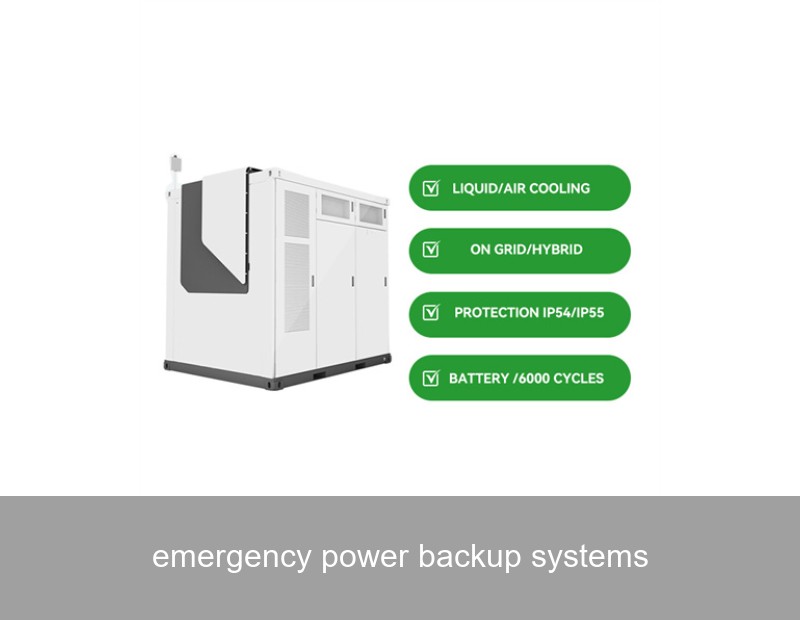
Have you ever wondered what happens when the lights go out for more than a few hours? For many homes and businesses across Europe and the US, power outages are moving from a rare inconvenience to a recurring reality. Whether due to extreme weather, aging grid infrastructure, or heightened demand, the need for reliable emergency power backup systems has never been more critical. This article explores the modern solutions that go beyond the noisy, polluting generators of the past, delving into how intelligent battery storage can provide seamless, sustainable, and silent power security.
Table of Contents
- The New Normal: More Frequent and Severe Outages
- Beyond Generators: The Rise of Intelligent Battery Backup
- Key Components of a Modern Emergency Power System
- A Real-World Case Study: Securing a German Medical Clinic
- Choosing the Right System for Your Needs
- The Future of Energy Resilience
The New Normal: More Frequent and Severe Outages
Let's face it: the grid is under pressure. A report from the U.S. Energy Information Administration (EIA) noted that in 2020, the average U.S. electricity customer experienced just over eight hours of power interruptions. While some of this is due to major events, the underlying trend points to growing volatility. Similarly, in Europe, storms like those experienced in recent winters have caused widespread, prolonged blackouts affecting millions. This isn't just about comfort; it's about safety, financial loss, and operational continuity. For businesses, even a short outage can mean spoiled inventory, lost data, and halted production. For families, it can risk the well-being of vulnerable members who rely on powered medical equipment or climate control.

Image Source: Unsplash - A modern home energy system combining solar and storage.
Beyond Generators: The Rise of Intelligent Battery Backup
Traditional diesel or propane generators have been the default for decades. They work, but they come with significant drawbacks: noise, exhaust fumes, ongoing fuel costs, and a slight delay before they kick in. Modern emergency power backup systems built around lithium-ion battery technology offer a cleaner, quieter, and instantaneous alternative. These systems are always on standby, switching over in milliseconds—so fast that your computers won't reboot and your lights won't flicker.
This is where companies like Highjoule excel. With nearly two decades of experience since 2005, Highjouple designs integrated energy storage solutions that do more than just backup. Their Highjoule Sentinel Series for residential and commercial use is a prime example. It's not a simple battery; it's an intelligent energy manager. During an outage, it powers your critical loads seamlessly. When the grid is active, it can store excess solar energy, reduce peak demand charges for businesses, and contribute to a more stable community grid. It's a multi-functional asset, transforming the concept of backup from an insurance policy into a daily value-driver.
Key Components of a Modern Emergency Power System
Understanding the parts helps you appreciate the whole. A sophisticated backup system typically includes:
- Battery Storage Unit: The heart of the system. Highjoule uses premium, cycle-stable lithium-ion phosphate (LFP) cells known for their safety and long lifespan.
- Hybrid Inverter/Charger: The brain. This device manages energy flow—converting DC from batteries or solar panels to AC for your home, charging the batteries from the grid or solar, and orchestrating the switch during a blackout.
- Energy Management System (EMS): The intelligence. Software that learns your usage patterns, prioritizes circuits, and can be programmed for different scenarios (e.g., storm watch mode to ensure batteries are 100% charged).
- Critical Loads Panel: A dedicated sub-panel that ensures your most essential circuits (refrigeration, medical devices, lighting, communication) are powered for the duration you need.
| Feature | Traditional Generator | Modern Battery Backup (e.g., Highjoule Sentinel) |
|---|---|---|
| Startup Time | Seconds to minutes | Milliseconds (instant) |
| Noise Level | High (70-100 dB) | Silent (0 dB in operation) |
| Fuel Source | Diesel/Propane (requires storage) | Grid or Solar Electricity |
| Maintenance | Regular (oil changes, filter replacements) | Minimal (primarily software updates) |
| Emissions | High (CO2, particulates on-site) | Zero on-site emissions |
A Real-World Case Study: Securing a German Medical Clinic
Let's look at concrete data. A private medical clinic in Bavaria, Germany, faced recurring short-duration outages and voltage sags that threatened sensitive diagnostic equipment. Their primary concern was uninterrupted power for surgical lighting, refrigeration for vaccines, and their digital patient records system.
In 2022, they installed a Highjoule Sentinel Commercial 50kWh system integrated with their existing rooftop solar. The system was configured with a dedicated critical loads panel. Here are the results over one year:
- Outages Mitigated: 14 grid failures (ranging from 45 minutes to 4 hours).
- Business Continuity: Zero operational interruptions, estimated to have prevented over €120,000 in potential losses from canceled procedures and data corruption.
- Financial Benefit: By leveraging the battery for solar time-shifting and peak shaving, the clinic reduced its annual electricity bill by approximately 18%, achieving a partial return on investment even without outages.
- Carbon Impact: The system enabled 92% self-consumption of their solar generation, significantly reducing reliance on the fossil-fuel-based grid at night.
This case illustrates the dual benefit: pure resilience and daily economic return. The clinic's administrator noted, "It gives us peace of mind we never had with our old diesel unit. It works silently in the background, and the energy savings were a welcome surprise."

Image Source: Unsplash - A commercial-scale battery energy storage system.
Choosing the Right System for Your Needs
Selecting an emergency power backup system isn't one-size-fits-all. Here’s a logical approach:
- Audit Your Critical Loads: List the appliances and systems you must keep running. Calculate their total wattage and expected runtime. A professional energy audit, like those offered by Highjoule's planning services, is invaluable here.
- Consider Your Energy Sources: Do you have or plan to install solar panels? A hybrid system that integrates solar + storage (like Highjoule's fully integrated solutions) maximizes independence.
- Evaluate Scalability: Can the system be expanded later? Modular designs, such as Highjoule's stackable battery units, allow you to start with what you need and add capacity as your needs or budget grow.
- Look at the Software: The user interface and control capabilities are key. Can you monitor and control the system remotely? Can it be updated for new features? Highjoule's EnergyOS platform provides intuitive control via smartphone app.
The Future of Energy Resilience
Emergency backup is evolving from a standalone hardware purchase to a node in a smarter, distributed energy network. Concepts like microgrids and virtual power plants (VPPs) are becoming reality. In these setups, aggregated home and business battery systems can provide services to the main grid during times of stress, potentially creating revenue streams for owners. Highjoule is actively involved in such pilot programs in both the US and Europe, exploring how their systems can contribute to community-wide resilience while benefiting the individual owner.
The technology is also advancing. While LFP chemistry is the current safety and longevity leader, research into solid-state and other next-generation batteries promises even higher density and faster charging in the future. Staying informed through authoritative sources like the International Energy Agency's reports on storage is a great way to track trends.
Ready to Assess Your Energy Security?
The conversation around power has fundamentally shifted. It's no longer just about cost per kilowatt-hour; it's about certainty, sustainability, and taking control. Whether you're a homeowner tired of food spoilage or a business owner for whom downtime is not an option, modern emergency power backup systems offer a sophisticated answer. What would uninterrupted power allow you to protect or achieve in your home or business that you currently worry about?
 Inquiry
 Online Chat