


Rechargeable Power Supply for Home: Your Guide to Energy Independence
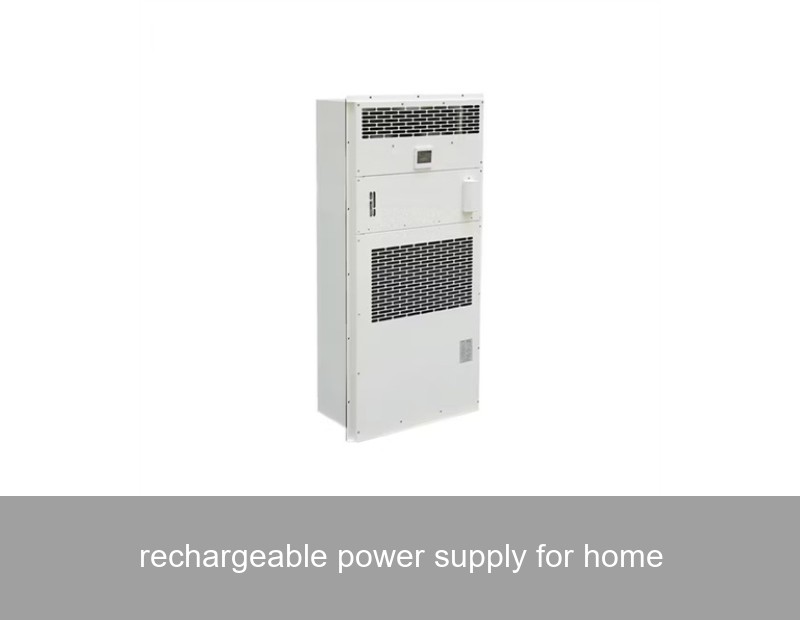
Imagine a storm knocks out your neighborhood's power. While others are in the dark, your home's lights, refrigerator, and Wi-Fi hum along uninterrupted. Or picture a sunny day where your rooftop solar panels produce more energy than you can use, and instead of sending it back to the grid for pennies, you store it for later—to power your evening, charge your EV, and slash your utility bill. This isn't a futuristic dream. It's the reality made possible by a modern rechargeable power supply for home, also known as a home battery storage system.
For nearly two decades, Highjoule has been at the forefront of this energy revolution. Since 2005, we've engineered intelligent storage solutions that empower homeowners to take control. Today, we'll demystify home battery systems, explore their transformative benefits, and show you how they're reshaping energy consumption from California to Cologne.
What is a Home Rechargeable Power Supply?
At its core, a home rechargeable power supply is a sophisticated battery system installed in your house. Think of it as a massive, high-tech version of the battery in your phone or laptop, but designed to power your entire home. It seamlessly integrates with your existing electrical panel and, typically, with solar photovoltaic (PV) panels.
Unlike a simple gasoline generator that provides temporary, noisy, and polluting backup, a home battery system is silent, automatic, and clean. It stores electricity—either from your solar panels or from the grid during off-peak, low-cost hours—and delivers it precisely when you need it most. Modern systems like the Highjoule Horizon Series are built with lithium iron phosphate (LiFePO4) battery chemistry, renowned for its exceptional safety, long lifespan (often over 10 years), and stability.

Image Source: Unsplash - A modern home battery unit, showcasing a clean, integrated installation.
Why the Home Battery Boom is Happening Now
The surge in demand for home energy storage isn't accidental. It's a perfect convergence of necessity and innovation.
- Grid Instability & Climate Events: Increasingly frequent storms, wildfires, and heatwaves are stressing aging power infrastructures, leading to more frequent and longer outages. Homeowners seek reliable resilience.
- The Solar Synergy: With millions of homes now equipped with solar, batteries are the logical next step. They capture the sun's excess production, maximizing self-consumption and reducing reliance on the grid.
- Economic Incentives: Policies like the U.S. federal Investment Tax Credit (ITC) and various European subsidies significantly lower the upfront cost. Meanwhile, time-of-use electricity rates make arbitrage—buying cheap, storing, using during expensive peaks—a smart financial move.
- Technological Leap: Battery costs have fallen dramatically while performance, capacity, and intelligence have soared. Systems are now smarter, safer, and more user-friendly than ever.
Key Benefits: More Than Just Backup
While backup power is a compelling feature, the advantages of a home battery system run much deeper.
| Benefit | Description | Impact |
|---|---|---|
| Energy Resilience | Automatic backup power during grid outages. | Keep lights, communications, and essential appliances running for hours or even days. |
| Bill Savings | Store solar energy for night use & avoid peak grid rates. | Dramatically reduce your net electricity costs, often by 50-80% when paired with solar. |
| Energy Independence | Reduce dependence on the utility grid and volatile energy markets. | Gain control over your energy source, cost, and carbon footprint. |
| Environmental Contribution | Maximize use of clean, self-generated solar power. | Decrease reliance on fossil-fuel-powered grid electricity, reducing your household's CO2 emissions. |
How a Modern Home Energy Storage System Works
Let's break down the technology in simple terms. A complete system involves key components working in harmony:
- Battery Bank: The heart of the system, where energy is stored chemically. Highjoule systems use modular designs, allowing you to start with a base capacity (e.g., 10 kWh) and expand later as needs grow.
- Hybrid Inverter/Charger: The brain. This device manages energy flow in three directions: from solar panels to the battery, from the battery to your home, and from the grid to the battery. It converts DC electricity (from solar/battery) to AC for your home, and vice-versa for charging.
- Energy Management System (EMS): The intelligent software. This is where Highjoule truly excels. Our SmartESS AI platform learns your consumption patterns, weather forecasts, and utility rate schedules. It automatically optimizes charging and discharging to ensure you have power when you need it and save the most money possible.
On a typical day with solar, the system might: charge the battery with morning sun, power your home directly from solar at midday, store the excess, and then discharge the battery to run your home from late afternoon through the night.
A Real-World Case Study: The Smith Family's Journey
Let's look at a concrete example from Munich, Germany. The Smith family (name changed for privacy) installed a 8 kW solar array in 2020. While it reduced their summer bills, they still imported 65% of their power in winter and had no backup.
In early 2023, they added a Highjoule Horizon 12 system (12 kWh storage capacity). Here are the results after one year, compared to the previous solar-only year:
- Grid Independence: Increased from 35% to 85% average self-consumption of their energy.
- Financial Savings: Reduced their annual electricity cost from €1,200 to €280—a 77% reduction.
- Resilience Tested: During a 14-hour winter grid failure, the system powered their essential loads (heating circulation pump, fridge, lights, internet) seamlessly, maintaining a comfortable 20°C indoors.
- Carbon Impact: Their household's grid-related carbon footprint decreased by an estimated 1.8 tonnes of CO2 annually.
This data underscores the transformative impact of pairing solar with intelligent storage. For more on the growth of home energy storage, see this report from the International Energy Agency.

Image Source: Unsplash - A homeowner interacts with an energy monitoring app, a key feature of modern systems.
Choosing the Right System for Your Home
Selecting a rechargeable power supply for home is a significant decision. Here are the key factors to consider, where Highjoule's expertise guides our customers:
1. Capacity & Power Rating
Capacity (measured in kWh) is how much energy the battery can store. Power rating (in kW) is how much it can deliver at once. A system with high capacity but low power might not run your oven and heat pump simultaneously. Highjoule's Horizon Series offers high continuous power outputs (7-10 kW+) to handle multiple heavy loads.
2. Depth of Discharge (DoD) & Warranty
Batteries shouldn't be drained to 0%. A 95% DoD means you can safely use 95% of the rated capacity. Highjoule batteries offer industry-leading DoD. Crucially, look for a warranty that guarantees a certain capacity (e.g., 70%) after a set number of years (e.g., 10) or cycles.
3. Integration & Intelligence
Can the system integrate with existing and future solar? Does it have smart, programmable controls? Our SmartESS AI platform provides this via an intuitive app, allowing you to set preferences, monitor in real-time, and receive updates. For insights into smart grid technology, the U.S. Department of Energy provides useful resources.
The Future of Home Energy is Intelligent
The next evolution is already here: the connected home ecosystem. Imagine your battery system communicating with your smart thermostat, EV charger, and major appliances. During a peak rate period, your system could slightly pre-cool your home, delay starting the dishwasher, and schedule EV charging for when the battery is full or rates drop—all without you lifting a finger.
Highjoule is pioneering this with GridAssist services in select markets, where aggregated home batteries can provide stability to the local grid (a concept known as Virtual Power Plants), potentially creating a new revenue stream for homeowners. This turns your home from a passive energy consumer into an active node in a cleaner, more resilient energy network.
So, we leave you with this question: As energy prices fluctuate and climate patterns shift, what would energy security and true control over your household's power mean for you and your family's future?
 Inquiry
 Online Chat