


Energia Solar y Eolica para el Hogar: Your Complete Guide to Home Energy Independence
Have you ever looked at your electricity bill and wished for a simpler, more predictable, and sustainable way to power your home? You're not alone. Across Europe and the United States, a quiet revolution is taking place on rooftops and in backyards. More homeowners than ever are turning to energia solar y eolica para el hogar – home solar and wind energy – not just as an eco-friendly statement, but as a practical, long-term solution for energy security and financial savings. This isn't about going off-grid for the sake of it; it's about taking intelligent control of where your power comes from, how much you store, and when you use it.
The Power Shift: Why Homes Are Looking to the Sun and Wind
The motivation is clear. Volatile energy prices, increasing grid instability in some regions, and a genuine desire to reduce carbon footprints are driving this shift. But the real catalyst has been the dramatic fall in the cost of solar panels and small-scale wind turbines over the last decade, coupled with massive advancements in energy storage technology. It's now technologically and economically feasible for the average homeowner to generate a significant portion of their own clean power.
The Numbers Don't Lie: The Rising Demand for Home Energy Independence
The data speaks volumes. In the United States, residential solar installations have seen consistent growth, with the Solar Energy Industries Association (SEIA) reporting that the U.S. residential solar market installed over 6.5 gigawatts in 2023 alone. In Europe, driven by both policy and necessity, countries like Germany, Spain, and Poland are witnessing a solar boom. The European Union's REPowerEU plan actively encourages the deployment of rooftop solar. While small wind for individual homes is a smaller market, it presents a powerful complementary solution, especially in rural or coastal areas with consistent wind resources. According to the U.S. Department of Energy, a properly sited small wind turbine can significantly reduce electricity bills and provide protection against future rate hikes.

Image: A modern home integrating both solar panels and a small wind turbine. (Source: Unsplash, Photographer: American Public Power Association)
Key Components of a Home Solar and Wind System
Understanding the basic building blocks is key. A robust home energy system typically includes:
- Generation: Solar panels (photovoltaic/PV modules) convert sunlight into direct current (DC) electricity. A small wind turbine does the same using wind kinetic energy.
- Power Conversion: An inverter is the brain of the operation. It converts the DC electricity from your panels or turbine into the alternating current (AC) that your home appliances use.
- Energy Storage: This is the game-changer. A battery storage system stores excess energy you generate but don't use immediately, saving it for nighttime, cloudy days, or calm periods when your turbine isn't spinning.
- Energy Management: Smart software and controllers optimize your system's performance, deciding when to store energy, when to use it, and when to potentially sell it back to the grid.
A Real-World Case: The Smith Family's Journey to Energy Independence
Let's look at a concrete example. The Smith family (name changed for privacy) lives in a rural area of Northern California. They faced frequent power outages and high electricity costs. In 2022, they installed an 8 kW solar array on their south-facing roof and a 5 kW Skystream wind turbine in their field.
| Metric | Before Installation (Annual Avg.) | After Installation (First Year) |
|---|---|---|
| Electricity Bill | $3,200 | $450 (grid connection fee only) |
| Grid Dependency | 100% | ~15% |
| Self-Consumption | 0% | 85% |
| Outages Experienced | 6 (avg. 4 hours each) | 0 (system with storage provided backup) |
"The combination was key," Mr. Smith noted. "The solar covers our daytime load, especially in summer. The wind often picks up in the evenings and winter, exactly when solar production drops. The battery bridges any gap seamlessly. We hardly notice when the grid goes down anymore."
The Heart of the System: Why Intelligent Storage is Non-Negotiable
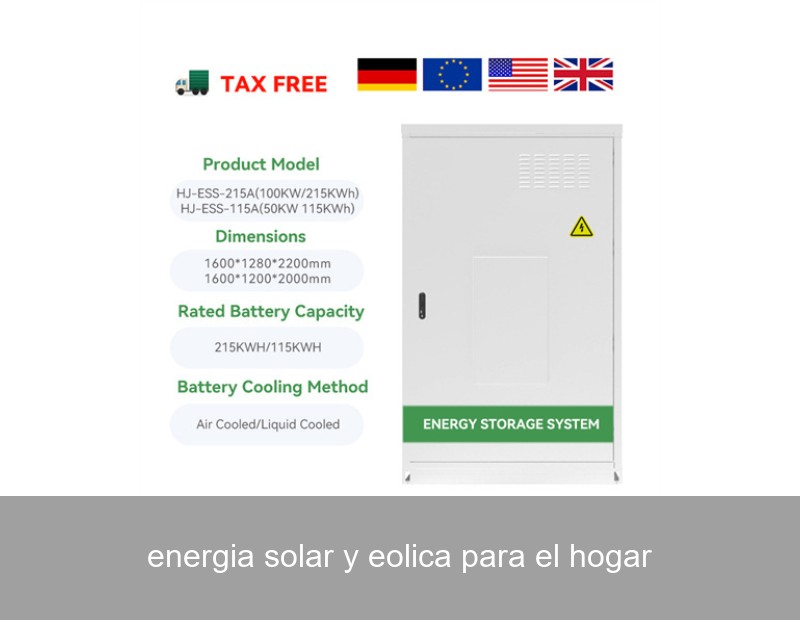
This case highlights the critical role of storage. Without a battery, excess solar or wind energy is fed back to the grid (often for a modest feed-in tariff), leaving you reliant on the grid at night. With a high-performance battery storage system, you maximize self-consumption of your clean energy. This is where the quality and intelligence of your storage solution make all the difference. You need a system that's safe, has a long lifespan, integrates seamlessly with multiple generation sources, and can be managed effortlessly.

Image: A sleek, wall-mounted home battery storage unit, a core component of modern energy independence. (Source: Unsplash, Photographer: Kindel Media)
The Highjoule Solution: Smart Energy Storage for Your Home
This is precisely the challenge Highjoule has been solving since 2005. As a global leader in advanced energy storage systems, we understand that a battery is more than just a box holding electricity. Our H-Joule HomePower series is engineered specifically for residential and small commercial applications that utilize energia solar y eolica para el hogar.
What sets the HomePower system apart?
- Hybrid-Ready Intelligence: Its advanced inverter technology can simultaneously manage input from both solar PV and wind sources, optimizing the harvest from each.
- Scalable Capacity: Start with a base unit and expand your storage capacity modularly as your needs grow, from 10 kWh to over 30 kWh.
- Uninterruptible Power Supply (UPS): It provides sub-20ms switchover time, meaning your lights won't even flicker during a grid outage.
- Smart Energy OS: Our proprietary software learns your consumption patterns, weather forecasts, and electricity tariffs to autonomously make the most economical decisions for your household.
For homeowners, this translates to peace of mind, maximum return on investment from your solar and wind assets, and true energy autonomy. Highjoule systems are designed and tested to the highest safety standards, making them a reliable partner for your home's energy needs for decades. Learn more about our certified installation partners across Europe and North America.
Making the Switch: Practical Considerations for Your Home
Interested in exploring energia solar y eolica para el hogar for your property? Start with these steps:
- Energy Audit: Review your past year's electricity bills to understand your consumption patterns and peak usage.
- Site Assessment: For solar, evaluate your roof's orientation, shading, and structural integrity. For wind, a professional should assess your local wind speed and zoning regulations. Resources like the Global Solar Atlas can provide preliminary solar potential data.
- System Sizing: A qualified installer will design a system tailored to your goals—whether it's partial backup, full off-grid capability, or simply maximizing bill savings.
- Financials: Research federal, state, and local incentives, tax credits, and financing options. In many regions, the payback period is now under 10 years.
The journey to energy independence is an exciting one. With the right combination of solar, wind, and most importantly, intelligent storage from a provider like Highjoule, you're not just installing hardware—you're investing in the resilience, sustainability, and financial predictability of your home for years to come. What's the first question you would ask a certified installer about your home's potential for solar and wind energy?
 Inquiry
 Online Chat