


Energy Harvesting Solutions: Powering a Sustainable Future, One Source at a Time
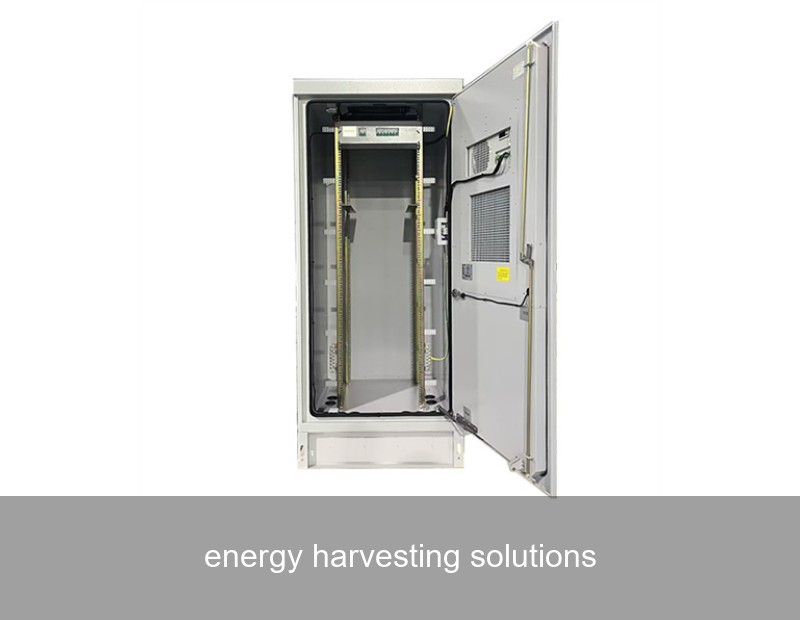
Imagine a world where the energy to power our homes, businesses, and communities is quietly gathered from our surroundings—from the sun above, the wind around us, even the subtle vibrations of machinery. This isn't science fiction; it's the practical reality enabled by modern energy harvesting solutions. For businesses and homeowners across Europe and the U.S., the question is no longer if renewable energy is viable, but how to capture, store, and use it most intelligently. The true challenge lies not just in generation, but in mastering the intermittent nature of these sources. That's where intelligent storage and management become the unsung heroes of the energy transition, turning captured potential into reliable power.
Table of Contents
What Are Energy Harvesting Solutions? Beyond Solar Panels
When we hear "energy harvesting," solar panels often come to mind first. And they are a massive part of it! But the concept is broader. Energy harvesting solutions encompass any technology that captures ambient energy—solar, wind, kinetic, thermal—and converts it into usable electrical energy. Think of small-scale wind turbines on a farm, piezoelectric pads capturing footfall energy in a busy train station, or systems that recycle waste heat from industrial processes.
The common thread? These solutions decentralize power generation, reduce reliance on the traditional grid, and lower carbon footprints. For a factory, this means operational resilience. For a homeowner, it means energy independence. For our planet, it's a non-negotiable step towards sustainability. However, the sun sets, and the wind calms. This intermittency is the single biggest hurdle to overcome, making the next component absolutely essential.
The Critical Gap: From Harvesting to Reliable Power
Here's the pivotal insight: harvesting energy is only half the battle. Without storage, excess energy is wasted when production is high, and you're back on the grid when it's low. This is where Battery Energy Storage Systems (BESS) transform the equation. A sophisticated BESS acts as a "energy bank," storing surplus harvested power for use on demand, day or night.
Let's look at some compelling data. According to the International Energy Agency (IEA), global energy storage capacity needs to expand dramatically to meet net-zero goals, with grids requiring vast amounts of flexibility. For individual commercial entities, this translates to tangible metrics: a well-integrated storage system can increase self-consumption of harvested solar PV energy from 30% to over 70%, dramatically slashing energy bills and providing a buffer against price volatility.
Not all storage is created equal, though. The key lies in intelligent integration—where the storage system doesn't just hold energy but communicates with the harvesting sources, the building's energy management system, and even the grid to optimize every kilowatt-hour.

Image Source: Unsplash - A visual of integrated solar harvesting and storage.
Case Study: Maximizing Harvest in Hannover
Consider a real-world example from our work at Highjoule. A mid-sized automotive parts manufacturer in Hannover, Germany, had a substantial 500 kW rooftop solar PV installation—a classic energy harvesting solution. Yet, they were only using about 35% of this solar energy directly, feeding the rest to the grid at low feed-in tariffs while still drawing expensive power during morning and evening peaks.
Their goal was clear: increase energy self-sufficiency and reduce operational costs. Highjoule's team designed and deployed a tailored 600 kWh Highjoule H-Cube Commercial battery storage system, integrated with advanced energy management software. The results, measured over one year, were significant:
| Metric | Before Highjoule BESS | After Highjoule BESS |
|---|---|---|
| Solar Self-Consumption | ~35% | 82% |
| Grid Energy Purchased (Peak Hours) | 100% of peak need | Reduced by 90% |
| Annual Energy Cost Savings | Baseline | €68,000 |
| ROI Period | N/A | Estimated 4.2 years |
The Highjoule H-Cube system didn't just store energy; its AI-driven platform predicted production and consumption patterns, automatically deciding the optimal time to store or discharge. This case exemplifies how the right storage solution unlocks the full financial and operational potential of harvested energy.
Key Technological Advancements Driving Efficiency
The efficacy of modern energy harvesting solutions is fueled by parallel advancements in several fields:
- Lithium-Ion Battery Evolution: Higher energy density, longer lifespans (now often exceeding 10-15 years), and falling costs make storage more accessible. Highjoule utilizes LiFePO4 (LFP) chemistry in many systems for its enhanced safety and longevity, a critical consideration for commercial and residential settings.
- Smart Energy Management Systems (EMS): This is the "brain." Advanced EMS, like Highjoule's proprietary Neuron Platform, uses machine learning to optimize energy flows in real-time, considering weather forecasts, tariff schedules, and usage habits.
- Grid Services and VPPs: In markets like the U.S. and parts of Europe, aggregated storage systems can participate in Virtual Power Plants (VPPs), providing grid stability services and creating a new revenue stream for system owners. Your storage asset can work for you and the community.

Image Source: Unsplash - A modern, containerized BESS installation.
Highjoule's Role in Your Energy Harvesting Ecosystem
Since 2005, Highjoule has evolved into a global leader not just in storage, but in providing complete, intelligent energy resilience. We understand that an energy harvesting solution is a system, not just a product. Our approach is holistic:
- For Residential Clients: Our Highjoule Home+ system seamlessly integrates with existing solar PV, allowing homeowners to maximize self-consumption, secure backup power, and gain total visibility and control via a user-friendly app.
- For Commercial & Industrial (C&I) Clients: Scalable solutions like the H-Cube Commercial and H-Cube Industrial lines are engineered for high-cycling demands. We provide full lifecycle support—from feasibility analysis and system design to installation, grid compliance (key in both EU and U.S. markets), and ongoing monitoring.
- For Microgrids: Highjoule designs and integrates storage as the core stabilizing component of community or off-grid microgrids, combining solar, wind, and generator sources into a reliable, 24/7 power supply.
Our expertise lies in making complex technology simple and reliable for the end-user. We bridge the gap between the harvested electron and the appliance it powers.
Future Trends and Your Next Step
The landscape is accelerating. We see trends like vehicle-to-grid (V2G) integration, where EVs become mobile storage units, and the rise of second-life EV batteries for stationary storage, as discussed in research from National Renewable Energy Laboratory (NREL). The core principle remains: the more efficiently we can capture and retain ambient energy, the faster we decarbonize.
The journey begins with a question. Whether you're a facility manager tired of peak demand charges, a homeowner seeking energy independence, or a developer planning a sustainable community project, the first step is understanding your unique energy profile.
What is the one energy challenge in your home or business that, if solved, would significantly impact your operational costs or environmental goals? Identifying that is the spark. From there, a conversation about the right energy harvesting and storage solution can begin.
 Inquiry
 Online Chat