


Pylontech 15kWh How Much? Decoding the True Cost of a Home Battery System
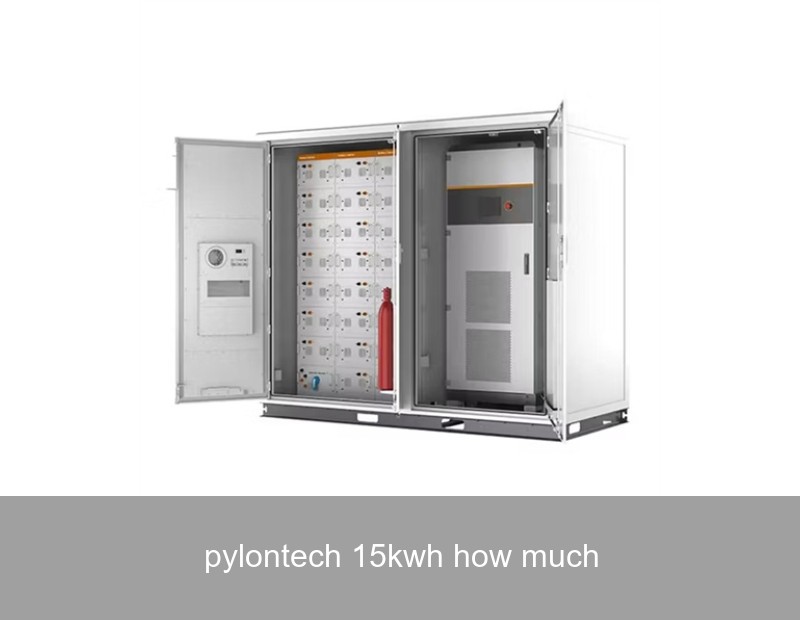
If you're looking into solar battery storage, you've likely asked: "Pylontech 15kWh, how much does it actually cost?" It's a smart question. The price tag you see online is just the beginning. The true investment involves the battery unit, essential components, professional installation, and the long-term value it brings to your energy independence. As a global leader in advanced energy storage since 2005, Highjoule understands that an informed decision requires looking beyond the initial quote. Let's break down the real cost structure and value of a robust 15kWh storage solution.
Table of Contents
- The Price Puzzle: More Than Just a Battery Box
- Breaking Down the Costs: The Complete System View
- The Value Equation: Security, Savings, and Sustainability
- A Real-World Case: The Smith Residence in Bavaria
- Beyond a Single Brand: The Highjoule Integrated Approach
- Your Next Step: From Cost Question to Custom Solution
The Price Puzzle: More Than Just a Battery Box
Searching for "Pylontech 15kWh price" often reveals a range for the battery modules themselves. But here’s the crucial insight: a battery alone cannot power your home. It's the core of a system that requires a compatible inverter, safety disconnects, sophisticated energy management, and expert integration. Think of it like buying a powerful engine—you still need the chassis, transmission, and a skilled mechanic to build a reliable car. The total installed cost is what truly matters for your budget and performance.
Breaking Down the Costs: The Complete System View
So, what are you really investing in? A functional and safe 15kWh energy storage system typically includes these key components:
- Battery Modules: This is the Pylontech US2000C or US5000 units stacked to achieve ~15kWh capacity. Prices vary based on chemistry (LiFePO4 is standard for its safety and longevity) and market fluctuations.
- Hybrid or Battery-Inverter: This critical device converts DC battery power to AC for your home and manages energy flow. It must be perfectly matched to your battery's communication protocol. Popular brands include Solis, GoodWe, and Sofar.
- Balance of System (BOS): Cabling, fuses, DC isolators, mounting hardware, and a dedicated battery enclosure or rack.
- Energy Management System (EMS): The brain of the operation. Smart systems, like those integrated into Highjoule's solutions, learn your consumption patterns and optimize charging/discharging to maximize self-consumption and grid interaction.
- Professional Installation & Permits: This covers site assessment, electrical work, system commissioning, and securing necessary permits from local authorities. This ensures safety, compliance, and warranty validity.
For a 15kWh system in Europe or the US, the total installed price can range from $10,000 to $18,000, before any applicable incentives. This range accounts for equipment quality, installation complexity, and regional labor rates.

Image Source: Unsplash - Professional installation is a critical part of the total system cost.
The Value Equation: Security, Savings, and Sustainability
Viewing this as a purchase is limiting. It's an investment with measurable returns. A 15kWh system is substantial, often capable of powering a typical home through the evening and night. The value pillars are:
- Energy Bill Reduction: Increase your solar self-consumption from 30-40% to 70% or more, drastically cutting electricity imports. With rising energy prices, this payback accelerates.
- Backup Power: Gain resilience during grid outages. Keep lights, refrigeration, and essential circuits running.
- Grid Services & Incentives: In some regions, you can participate in virtual power plant (VPP) programs for additional income. Don't forget significant incentives like the US Residential Clean Energy Credit or various European grants.
- Carbon Footprint: Maximize your use of clean, self-generated solar power.
A Real-World Case: The Smith Residence in Bavaria
Let's ground this with data. The Smith family in Bavaria, Germany, installed a 15kWh battery system (using Pylontech modules) alongside their existing 8kW solar array in early 2022.
| Metric | Before Battery | After 15kWh Battery |
|---|---|---|
| Solar Self-Consumption | 35% | 81% |
| Grid Electricity Import | 4,200 kWh/year | 1,100 kWh/year |
| Annual Electricity Bill | €1,680 (at €0.40/kWh) | €440 |
| Annual Savings | - | €1,240 |
Factoring in the German BAFA funding, their system payback period is projected to be under 8 years. The system also provides them with reliable backup during winter grid instability—a value beyond pure euros.
Beyond a Single Brand: The Highjoule Integrated Approach
While quality components like Pylontech are excellent, the true magic lies in seamless integration and intelligent control. This is where Highjoule's expertise as a system provider shines. We don't just sell components; we deliver tailored, turnkey power solutions.
For residential clients, our Highjoule Home+ system takes the guesswork out of the equation. We pair high-performance batteries with optimally matched inverters and our proprietary Adaptive Grid OS. This platform doesn't just store energy; it intelligently decides when to store, use, or even sell back based on weather forecasts, tariff rates, and your personal usage habits. It’s a holistic ecosystem designed for maximum ROI and peace of mind.

Image Source: Unsplash - Smart energy management interfaces optimize system performance.
For commercial and microgrid applications, our solutions scale accordingly, focusing on demand charge reduction, peak shaving, and ensuring operational continuity. The core principle remains: integration and intelligence are as vital as the storage hardware itself.
Your Next Step: From Cost Question to Custom Solution
Asking "how much" is the perfect starting point. The logical next question is: "What is the optimal system for my specific home, energy goals, and local climate and regulations?"
A 15kWh system might be ideal for a large family with high evening consumption, but a smaller household might benefit from a different configuration. Factors like your solar PV size, daily load profile, and backup requirements are unique.
Instead of sourcing components separately, consider the efficiency and warranty security of a single-provider solution. What specific energy challenges are you most eager to solve—is it lowering your monthly bill, achieving energy independence, or building climate resilience for your family or business?
 Inquiry
 Online Chat