


Understanding the Energy Required to Produce Solar Panels: A Transparent Look
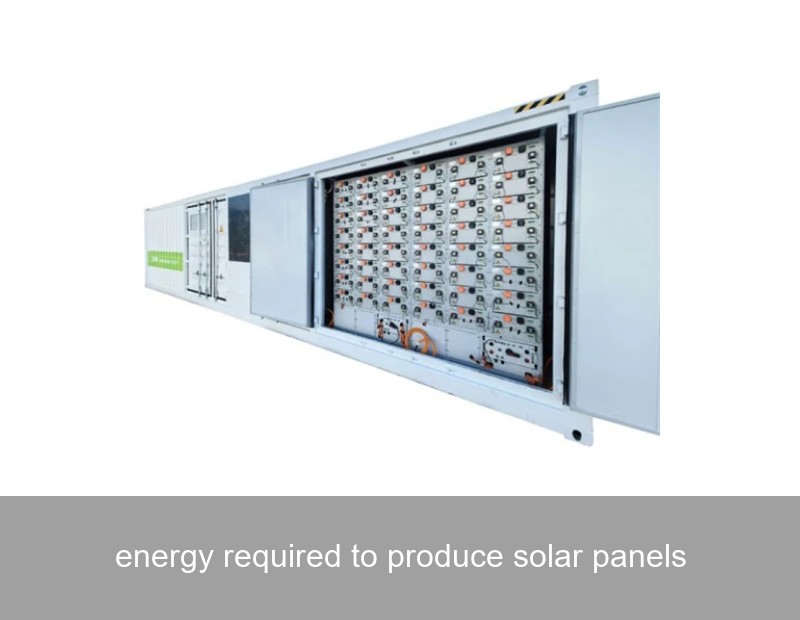
As the world accelerates its shift towards renewable energy, solar power stands as a beacon of hope. Yet, a common and valid question arises: how much energy is required to produce solar panels? It's a crucial consideration for anyone invested in a truly sustainable future. This article delves into the energy payback time, the factors at play, and how choosing the right technology partner, like Highjoule, can maximize the lifetime clean energy yield of your solar investment.
What is Energy Payback Time (EPBT)?
Simply put, Energy Payback Time (EPBT) is the period it takes for a solar panel to generate the same amount of energy that was consumed during its entire lifecycle—from mining raw materials to manufacturing, transportation, and eventual recycling. Think of it as the panel's "carbon debt" paid back in clean electricity. According to comprehensive studies, the global average EPBT for silicon-based photovoltaic (PV) systems has dramatically improved over the decades.
In the early 2000s, EPBT could be several years. Today, thanks to technological advances and more efficient manufacturing, it's typically between 1 to 2 years for systems in sun-rich regions like Southern Europe or the American Southwest. In less sunny areas, it may extend to 2-4 years. Given that modern solar panels have a performance warranty of 25-30 years, they produce clean energy for over 90% of their operational life.
Key Factors Influencing Manufacturing Energy
The energy required isn't a fixed number. It's influenced by several key variables:
- Panel Technology: Monocrystalline silicon panels, while highly efficient, require more energy for crystal growth than polycrystalline. Thin-film technologies like Cadmium Telluride (CdTe) often have a slightly lower initial energy cost.
- Manufacturing Location: The carbon intensity of the local grid matters. A factory powered by coal will have a higher embodied carbon than one powered by renewables. This is a core part of Highjoule's supplier assessment.
- System Components: The energy cost extends beyond the panel itself. It includes the aluminum frame, glass, inverters, and mounting systems. This is where a holistic system design is critical.
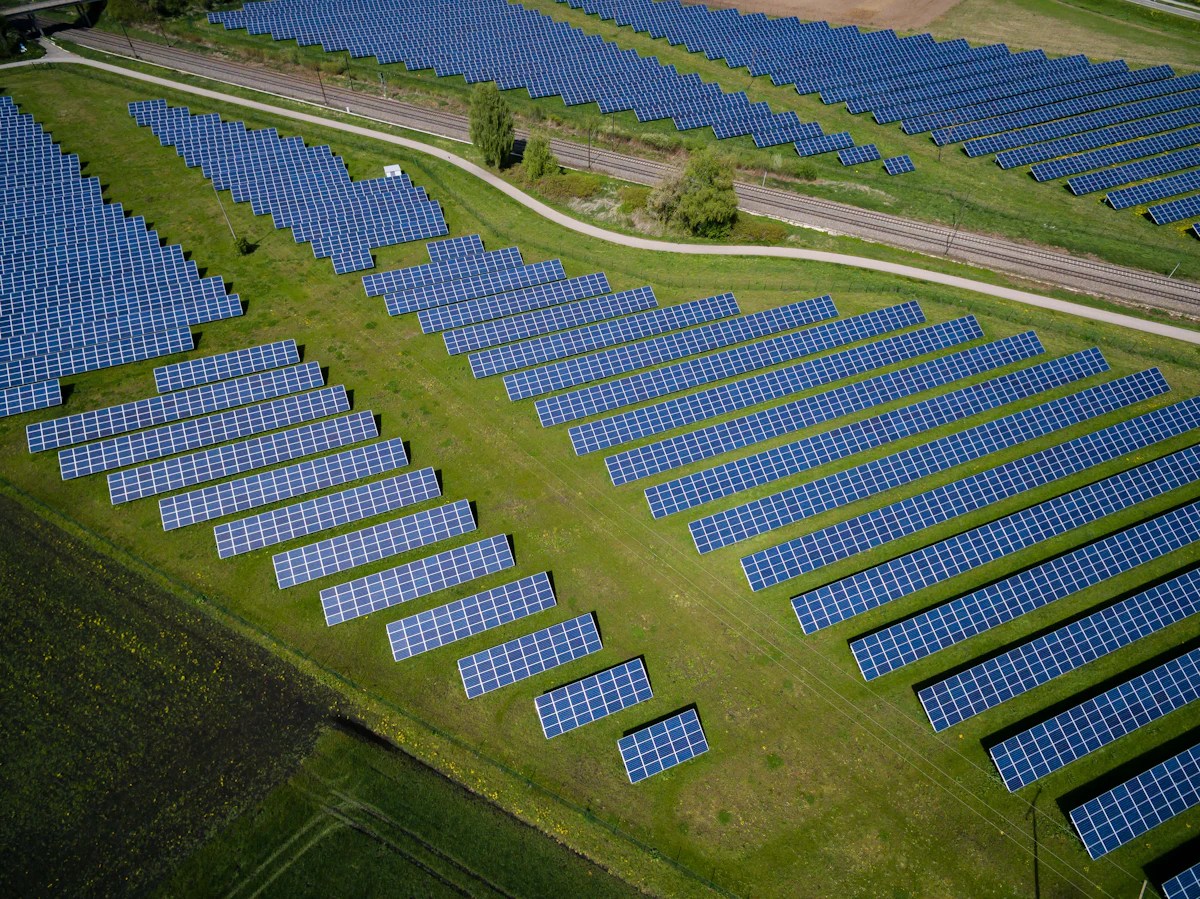
Image: The precision manufacturing of solar panels is a key factor in their overall energy efficiency. Source: Unsplash
The Data & Reality: A Case Study from Texas
Let's move from theory to a tangible example. Consider a 500 kW commercial rooftop installation in Austin, Texas—a region with high solar irradiance.
| Parameter | Value | Note |
|---|---|---|
| System Size | 500 kW | Uses high-efficiency monocrystalline panels |
| Estimated Total Embodied Energy | ~2,500 MWh | Includes panels, inverters, racking |
| First-Year Generation | ~750 MWh | Austin's high sun exposure |
| Calculated EPBT | ~1.3 years | Energy debt paid back quickly |
| System Lifetime | 25+ years | Standard performance warranty period |
| Net Clean Energy Produced | > 16,000 MWh | Over 20x the energy cost of production |
This case, based on real generation data and NREL lifecycle assessment models, clearly shows the compelling energy return on investment. The panels will generate clean electricity for decades after their "debt" is repaid. You can explore more detailed lifecycle data from the National Renewable Energy Laboratory (NREL).
Beyond Manufacturing: The System-Wide Energy Perspective
Focusing solely on the panel's manufacturing energy misses the larger picture. The true goal is to maximize the system's lifetime energy yield and reliability. This is where balance-of-system components and intelligent management become paramount. An inefficient inverter or poor system design can waste a significant portion of the energy those panels worked so hard to produce.
Furthermore, solar energy is intermittent. Without storage, excess daytime energy is exported to the grid, and the site draws power at night. This doesn't maximize self-consumption or energy independence. The most efficient way to honor the energy invested in your panels is to ensure every possible kilowatt-hour is captured and used effectively.
How Highjoule's Solutions Enhance Your Solar Energy Return
At Highjoule, founded in 2005, we view the solar array as just the beginning. Our role is to ensure the energy required to produce solar panels is rewarded with decades of optimized, reliable output. We achieve this through integrated smart energy systems.
Our H-Series Commercial Battery Energy Storage Systems (BESS) are engineered to pair seamlessly with solar installations. By storing surplus solar energy, they dramatically increase on-site consumption, reduce reliance on the grid during peak (and often carbon-intensive) hours, and provide backup power. This directly translates to a higher utilization rate for every panel, improving the overall energy and economic payback.
For industrial and microgrid applications, our IntelliGrid AI Platform takes it further. It doesn't just store energy; it actively learns energy consumption patterns, weather forecasts, and utility rates to autonomously dispatch stored solar energy when it provides the most value—both financially and for grid stability. This intelligent orchestration ensures the embodied energy in your solar assets works harder for you.

Image: A commercial solar array, the foundation of a clean energy system. Source: Unsplash
The Future Outlook and Your Role
The trend is positive. As documented by the International Energy Agency (IEA), manufacturing is becoming more efficient and increasingly powered by renewables itself, further shrinking the EPBT. Recycling initiatives for end-of-life panels are also scaling up, aiming to recover valuable materials and reduce the need for new raw material extraction.
The conversation, therefore, should evolve from "Do solar panels pay back their energy cost?"—which they clearly do—to "How can we maximize the value and sustainability of this clean energy investment?"
This is the core of our mission at Highjoule. We provide the intelligent storage and control systems that transform a solar installation from a simple generator into a resilient, efficient, and adaptive energy asset. By choosing partners who prioritize whole-system efficiency, businesses and communities can be confident that their renewable transition is as impactful as possible, truly honoring the resources invested at the start of the cycle.
So, as you plan your solar project, what specific energy resilience or sustainability goal will you tackle first with the clean power your panels will produce for the next quarter-century?
 Inquiry
 Online Chat