


Energy Storage Cabinet 3kVA: The Compact Powerhouse for Modern Energy Independence
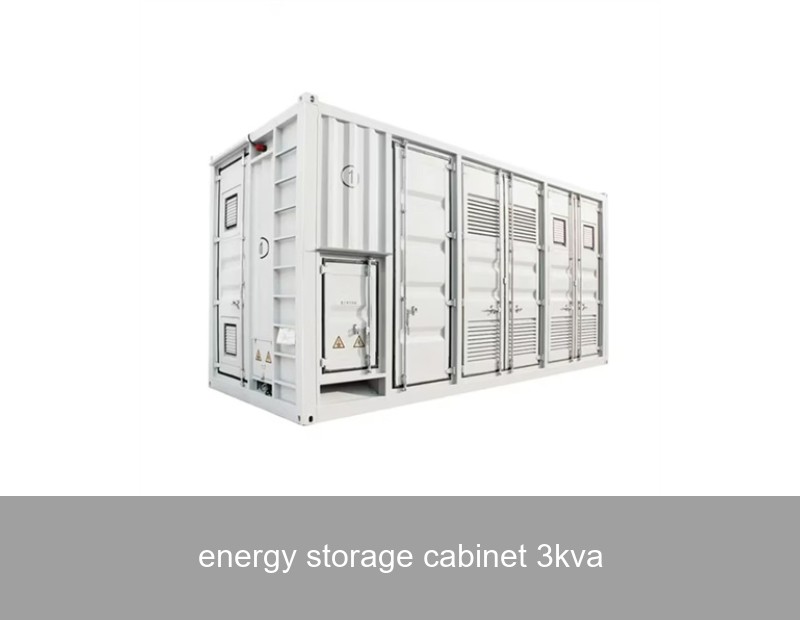
Have you ever watched your electricity meter spin wildly during peak hours, or felt a pang of anxiety during a storm warning, worrying about losing power? You're not alone. Across homes and small businesses in Europe and the US, the quest for reliable, cost-effective, and clean power is more pressing than ever. Enter the energy storage cabinet 3kVA – a sleek, powerful unit that's becoming the cornerstone of personal energy management. This isn't just a big battery; it's an intelligent system that stores electricity, typically from solar panels, and delivers it precisely when you need it most. In this article, we'll demystify the 3kVA cabinet, explore its transformative potential, and show how companies like Highjoule are engineering these solutions for resilience and savings.
Table of Contents
- What is a 3kVA Energy Storage Cabinet?
- The Driving Forces: Why 3kVA Systems are in High Demand
- Inside the Cabinet: Key Components and Technology
- The Highjoule Difference: Smart, Integrated 3kVA Solutions
- A Real-World Case: A German Bakery's Recipe for Resilience
- Looking Ahead: The Evolving Role of Compact Storage
What is a 3kVA Energy Storage Cabinet?
Let's break down the name. "Energy storage cabinet" refers to a self-contained unit housing batteries, a battery management system (BMS), and often a built-in inverter. The "3kVA" (kilo Volt-Ampere) rating primarily indicates the inverter's continuous power output capacity—in simpler terms, how much electrical load it can support at once. A 3kVA system can deliver around 3,000 watts of power, enough to run essential home circuits or critical commercial equipment seamlessly.
Think of it as a personal energy bank. During the day, it stores surplus solar energy instead of sending it all back to the grid. In the evening, during a power outage, or when grid prices skyrocket, it dispatches that stored energy to keep your lights on, fridge running, and business operational. Unlike bulky, piecemeal setups, modern cabinets like those from Highjoule are designed for safety and aesthetics, resembling a sleek home appliance that can be installed in a garage, basement, or utility room.

Image Source: Unsplash - A modern energy storage unit integrated into a home.
The Driving Forces: Why 3kVA Systems are in High Demand
The surge in popularity for mid-sized storage solutions isn't accidental. It's a direct response to several converging trends:
- Volatile Energy Prices: Especially in Europe, fluctuating gas prices and geopolitical factors have led to unprecedented electricity costs. Storing cheap, self-generated power provides a direct financial shield.
- Grid Modernization & Incentives: Governments are actively promoting storage through subsidies (like the EU's energy storage strategy) and new utility rate structures that make storing solar energy more economical than selling it back at low rates.
- Climate Resilience: Increased frequency of extreme weather events, from heatwaves in California to storms in the UK, has made backup power a priority for family safety and business continuity.
- Technological Maturation: Lithium-ion phosphate (LFP) battery chemistry, now dominant in cabinets like Highjoule's, offers longer lifespan, enhanced safety, and falling costs, making robust storage accessible.
Inside the Cabinet: Key Components and Technology
Understanding what's inside helps you appreciate the engineering. A high-quality 3kVA energy storage cabinet is a symphony of integrated components:
| Component | Function | Highjoule's Emphasis |
|---|---|---|
| Battery Cells (LFP) | The core energy storage medium. LFP chemistry is known for stability and long cycle life. | Uses automotive-grade, UL-certified cells with advanced thermal management for safety and longevity. |
| Battery Management System (BMS) | The "brain" that monitors cell voltage, temperature, and health, ensuring optimal and safe operation. | Proprietary AI-driven BMS that learns usage patterns to optimize cycle life and efficiency. |
| Hybrid Inverter | Converts DC battery power to AC for home use and manages flow between solar, battery, and grid. | Often integrated or seamlessly paired with Highjoule inverters, featuring high peak power for starting motors. |
| Energy Management Software | The user interface for monitoring and controlling the system, often via a smartphone app. | Highjoule's EnergyOS™ platform allows for smart scheduling, real-time monitoring, and integration with time-of-use rate plans. |
Tangible Benefits for Homeowners and Businesses
The value proposition of a well-integrated 3kVA system is clear and multi-faceted:
- Maximized Solar Self-Consumption: Increase the portion of your solar energy used on-site from 30-50% to 70% or more, dramatically reducing grid purchases.
- Reliable Backup Power: Keep essential loads running during outages. A 3kVA system with 10-15 kWh of storage can power basics for 12-24 hours or more.
- Peak Shaving: For businesses on demand charges, the cabinet can discharge to cap power draw during expensive peak periods, slashing monthly bills.
- Grid Support & Sustainability: By reducing peak demand on the community grid, you contribute to a more stable and greener energy infrastructure.
The Highjoule Difference: Smart, Integrated 3kVA Solutions
At Highjoule, with nearly two decades of expertise since 2005, we view an energy storage cabinet 3kVA not as a commodity, but as the intelligent node of a broader energy ecosystem. Our H-Cube 3.0 Series exemplifies this philosophy. It's a modular, all-in-one cabinet built with the robust LFP chemistry and featuring our proprietary EnergyOS™ intelligence. This system doesn't just react; it predicts. By analyzing weather forecasts, your consumption history, and real-time electricity tariffs, it automatically optimizes charge/discharge cycles to maximize your economic return.
For our commercial and industrial clients, this intelligence scales. Our systems can be paralleled for greater capacity and are designed to interface with microgrid controllers, providing not just backup, but active participation in energy markets. Whether it's a residential villa in Spain, a farm in Italy, or a small manufacturing workshop in Texas, Highjoule's focus is on delivering a seamless, worry-free storage experience backed by global service and monitoring.

Image Source: Unsplash - Rooftop solar integration with energy storage.
A Real-World Case: A German Bakery's Recipe for Resilience
Let's look at concrete data from a project in Bavaria, Germany. A family-run bakery with a 20 kW rooftop solar system faced two problems: high grid consumption during early morning baking hours (before solar production) and costly demand charges. They installed a Highjoule H-Cube 3.0 system configured with 12 kWh storage and a 3kVA inverter.
The Results (6-month average vs. previous year):
- Grid Consumption Reduction: Reduced grid electricity draw during peak morning hours by 84% by using stored solar energy from the previous day.
- Demand Charge Savings: Smoothed peak power demand, leading to a 22% reduction in monthly demand charges on their commercial bill.
- Self-Consumption Rate: Increased on-site solar usage from 41% to 89%.
- ROI Timeline: Combined with German subsidy (BAFA), the system's projected payback period is under 6 years, safeguarding them against future price hikes indefinitely.
This case, documented in a Fraunhofer ISE study on storage economics, highlights the dual financial and operational resilience that a correctly sized 3kVA-class system can deliver.
Looking Ahead: The Evolving Role of Compact Storage
The future of the energy storage cabinet 3kVA is dynamic. We're moving towards systems that actively communicate with the grid (VPPs - Virtual Power Plants), provide grid services, and integrate with electric vehicle charging. The line between consumer and prosumer is blurring. With AI-driven platforms like Highjoule's EnergyOS™, your storage cabinet could soon automatically sell excess power back to the grid at the most profitable minute or form a local energy community with your neighbors.
Is your home or business simply consuming energy, or is it ready to become an intelligent, resilient hub of its own? What would you power first to ensure continuity during an outage?
 Inquiry
 Online Chat