


Unlocking Reliable Power: Your Guide to the Lithium BESS with Battery
the sun stops shining on your solar panels, or the grid goes down during a storm. For a moment, everything is uncertain. Then, seamlessly, your lights stay on, your critical machines keep humming, and your business doesn't miss a beat. This isn't magic; it's the modern marvel of a Lithium Battery Energy Storage System (BESS). More than just a bank of batteries, a lithium BESS with battery is the intelligent brain and robust muscle behind energy independence, turning intermittent renewable power into a dependable, 24/7 resource. For businesses, communities, and homeowners across Europe and the US, understanding this technology is the first step toward taking control of energy costs and resilience.
Why Lithium Dominates the Energy Storage Scene
The shift to lithium-ion technology in energy storage wasn't an accident. It was a response to clear, pressing needs that older battery chemistries like lead-acid couldn't meet. Let's break down the "why" behind the rise of the lithium BESS.
The Limitations of the Old Guard
Traditional storage solutions often suffered from bulky size, slow charging, limited depth of discharge (meaning you couldn't use most of the stored energy without damaging the system), and frequent maintenance. They were a passive component, not an active participant in energy management.
The Lithium-Ion Advantage: A Data-Driven Leap
Lithium-ion batteries brought a paradigm shift, characterized by key performance metrics:
- High Energy Density: They store more energy in a smaller, lighter footprint. This is crucial for space-constrained commercial and industrial sites.
- Greater Efficiency: Modern lithium BESS boast round-trip efficiency of 95% or higher, meaning very little energy is lost during charge/discharge cycles.
- Longer Lifespan & Cycle Life: They can withstand thousands of deep charge/discharge cycles while retaining a high capacity. For context, the U.S. Energy Information Administration notes that lithium-ion batteries are the dominant technology for new large-scale storage due to their declining costs and improving performance[1].
- Rapid Response: They can dispatch power in milliseconds, providing critical grid services and immediate backup.

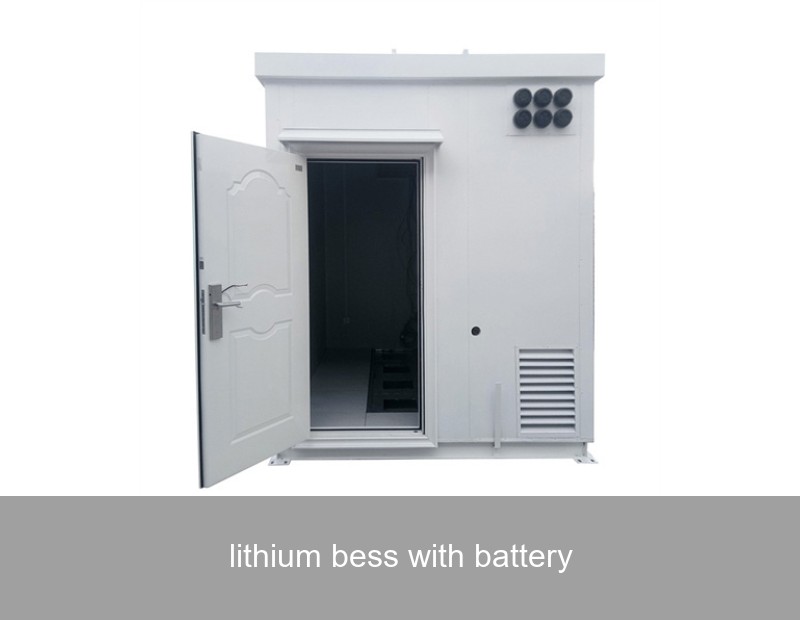
Image Source: Unsplash. A modern containerized lithium BESS installation.
A Real-World Case Study: Powering a German Manufacturing Plant
Let's move from theory to practice. Consider a mid-sized automotive parts manufacturer in Bavaria, Germany. Their challenges were twofold: skyrocketing electricity costs driven by volatile market prices and a need for ultra-reliable power to prevent costly production line stoppages.
Phenomenon: High energy bills and grid dependency threatened competitiveness.
Data & Solution: The facility had a substantial rooftop solar PV array but was exporting excess afternoon power at low rates and buying it back in the evening at peak rates. They partnered with Highjoule to deploy a 1.2 MWh lithium BESS with battery, integrated with our proprietary EnergyOS™ platform.
Case Implementation: The system was programmed to:
- Solar Self-Consumption Optimization: Store excess solar generation instead of exporting it.
- Peak Shaving: Discharge the stored energy during evening peak hours, avoiding the most expensive grid electricity.
- Backup Power: Provide 4 hours of critical load backup for key manufacturing processes.
Insights & Results: Within the first year of operation:
| Metric | Result |
|---|---|
| Annual Electricity Cost Savings | €68,000 |
| Increase in Solar Self-Consumption | From 35% to 80% |
| ROI Period | Under 5 years |
| Carbon Footprint Reduction | Estimated 120 tonnes CO2e annually |
Choosing the Right Lithium BESS for Your Needs
Not all lithium BESS with battery systems are created equal. Key selection criteria include:
- Application: Is the primary goal backup power, bill management (arbitrage, peak shaving), renewable integration, or providing grid services?
- Scale & Configuration: From modular residential units (like our Highjoule HomePower series) to containerized megawatt-scale solutions (our Highjoule GridMax line).
- Battery Chemistry Nuance: While all are lithium-ion, subtypes like Lithium Iron Phosphate (LFP) offer enhanced safety and longer cycle life, making them a preferred choice for stationary storage, as highlighted by research from agencies like the National Renewable Energy Laboratory[2].
- Intelligence & Software: The hardware stores energy, but the software unlocks its value. An advanced energy management system (EMS) is critical.
Highjoule's Intelligent Lithium BESS Solutions
Since 2005, Highjoule has been at the forefront of making advanced energy storage accessible and effective. Our approach goes beyond supplying hardware; we deliver turnkey, intelligent power solutions.
Our core product lines are built around the most robust and safe lithium BESS with battery technology, primarily using LFP chemistry:
- Highjoule HomePower: A sleek, integrated system for residences, maximizing solar self-consumption and providing whole-home or critical-load backup.
- Highjoule BizStack: Modular, scalable systems designed for commercial and industrial facilities. They are the workhorses for peak shaving, demand charge reduction, and solar optimization.
- Highjoule GridMax: Utility-scale, containerized solutions for microgrids, renewable energy farms, and grid stability applications.
The true differentiator is the Highjoule EnergyOS™ platform. This AI-driven software acts as the brain of your storage system, continuously analyzing weather forecasts, electricity tariffs (like dynamic Time-of-Use rates common in California or Italy), and your consumption patterns to make autonomous, profit-maximizing decisions on when to charge and discharge.

Image Source: Unsplash. A digital energy management dashboard visualizing power flows.
The Future of Lithium BESS Technology
The evolution of the lithium BESS with battery is far from over. We are actively innovating in areas like:
- Second-Life Batteries: Repurposing EV batteries for stationary storage, a promising path for sustainability explored by research institutions[3].
- Enhanced Safety Systems: Advanced thermal management and cell-level monitoring for unprecedented safety.
- Grid-Forming Inverters: Allowing BESS to not just follow the grid but actively stabilize it, a key feature for future renewable-heavy grids.
At Highjoule, we see the lithium BESS as the cornerstone of a decentralized, resilient, and clean energy future.
Ready to Explore Your Potential?
The journey to energy independence starts with a question. What specific energy challenge—be it unpredictable bills, grid reliability concerns, or a desire to maximize your solar investment—could a lithium BESS with battery solve for you? We invite you to share your situation; let's discuss what a tailored Highjoule solution could look like.
 Inquiry
 Online Chat