


Energy Storage Cabinet Solutions: The Smart Heart of Your Solar Power System
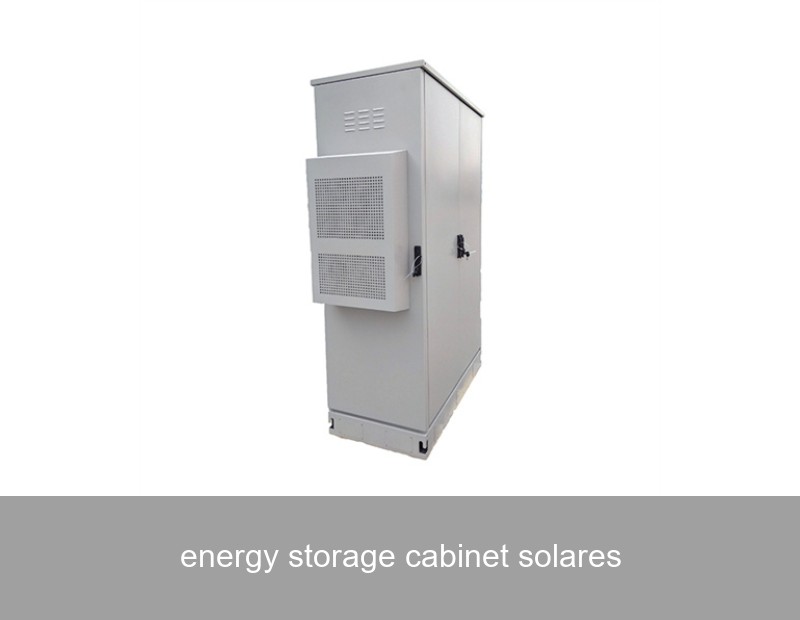
You've made the smart decision to go solar. Those panels on your roof are silently converting sunlight into clean electricity, reducing your bills and your carbon footprint. But have you ever wondered what happens when the sun goes down, or on those cloudy days? This is where the true magic of modern solar systems comes into play: the energy storage cabinet solution. Think of it not just as a big battery, but as the intelligent brain and heart of your energy ecosystem, working tirelessly to maximize your solar investment. For homeowners and businesses across Europe and the U.S., integrating a robust storage cabinet is the key to unlocking true energy independence and resilience.
Table of Contents
The Challenge: Solar's Intermittent Nature and the Grid Strain
Let's face a simple fact: the sun isn't always shining. This creates a fundamental mismatch. Your solar panels produce the most power in the middle of the day, which is often when you're not home to use it. Conversely, energy demand typically peaks in the early evening when solar production plummets. This phenomenon, often called the "duck curve," forces utilities to ramp up traditional power plants rapidly, creating inefficiencies and higher costs for everyone.
The data is telling. According to the U.S. Department of Energy, solar energy accounted for over 50% of all new electricity-generating capacity added in the U.S. in early 2023. This massive influx of variable generation highlights the urgent need for technologies that can store excess daytime production for use during peak hours. Without storage, we're wasting clean energy and failing to stabilize the grid.
The Solution: Intelligent Energy Storage Cabinets
This is where the modern energy storage cabinet for solar transforms the game. It's far more than a passive container for batteries. It's an integrated system that includes advanced battery management, power conversion, thermal controls, and sophisticated software. Its primary functions are simple yet powerful:
- Store Excess Solar Energy: Capture every kilowatt-hour your panels produce that you don't immediately use.
- Provide Power on Demand: Supply your home or business with clean electricity during the evening, at night, or during a grid outage.
- Optimize Economics: In regions with time-of-use rates, it can automatically discharge during expensive peak periods, maximizing savings.
- Ensure Backup Power: Keep critical loads running during blackouts, seamlessly and instantly.

Key Components of a Modern Solar Storage Cabinet
Understanding what's inside helps you appreciate the engineering. A top-tier cabinet is a symphony of components:
| Component | Function | Why It Matters |
|---|---|---|
| Battery Modules | The core energy storage medium, typically Lithium Iron Phosphate (LFP). | LFP chemistry offers superior safety, longevity (often 6000+ cycles), and stable performance. |
| Battery Management System (BMS) | Constantly monitors cell voltage, temperature, and state of charge. | Ensures safety, prevents overcharge/discharge, and maximizes battery life—the true guardian of the system. |
| Hybrid Inverter / Power Conversion System (PCS) | Converts DC power from batteries and panels to AC power for your home. | Enables seamless integration of solar and storage, and often manages grid interaction. |
| Thermal Management System | Active cooling and heating to maintain optimal battery temperature. | Crucial for performance and safety in diverse climates, from Scandinavian winters to Arizona summers. |
| Energy Management Software | The intelligent brain that controls energy flow based on settings, weather, and tariffs. | Automates optimization, allowing you to "set it and forget it" for maximum value. |
Real-World Impact: A Case Study from California, USA
Let's move from theory to practice. Consider a medium-sized commercial business in San Diego, California. They faced high demand charges and volatile time-of-use rates from their utility, alongside a desire to improve sustainability.
The Setup: A 200 kW rooftop solar array paired with a 240 kWh energy storage cabinet solution. The system was programmed for peak shaving and solar self-consumption optimization.
The Results (12-month period):
- Energy Bill Reduction: 68% decrease in overall electricity costs, primarily by avoiding peak demand charges.
- Solar Self-Consumption: Increased from ~40% to over 90%, meaning almost all solar energy produced was used on-site.
- ROI Period: The investment is projected to pay for itself in under 5 years, thanks to state incentives (like SGIP) and ongoing savings.
- Resilience: The system provides 8+ hours of backup power for critical operations, a valuable asset during PSPS (Public Safety Power Shutoff) events.
This case, documented in a NREL report on commercial storage, illustrates the tangible financial and operational benefits a well-designed storage cabinet delivers.
Choosing the Right Energy Storage Cabinet: Key Considerations
Not all storage solutions are created equal. When evaluating an energy storage cabinet for your solar project, ask these critical questions:
- Safety First: Is the battery chemistry inherently stable (like LFP)? Does the cabinet have UL 9540 certification for the entire system?
- Scalability & Modularity: Can you easily add more capacity in the future if your needs grow?
- Software Intelligence: Can the system adapt to changing utility rates and your usage patterns? Is the user interface intuitive?
- Warranty & Longevity: What is the guaranteed cycle life and throughput warranty? A 10-year, 10,000-cycle warranty is a strong indicator of quality.
- Grid Services & Compatibility: Is the system capable of participating in virtual power plant (VPP) programs for additional revenue?
The Highjoule Approach: Engineering Intelligent Storage for Every Scale
At Highjoule, with nearly two decades of experience since 2005, we design our energy storage cabinet solutions with these exact considerations at the forefront. Our philosophy is that storage should be intelligent, resilient, and seamlessly integrated.
For residential applications, our H-Joule HomePower Series offers sleek, UL-certified cabinets with scalable capacity from 10 to 30 kWh. Their integrated AI-driven energy management learns your household patterns, automatically deciding when to store solar energy, power your home, or even sell back to the grid for the best financial return.

For commercial and industrial clients, the H-Joule MegaCube is a containerized powerhouse. These pre-assembled, plug-and-play units can scale from 500 kWh to multiple MWh, featuring industry-leading LFP batteries and a robust thermal management system that ensures reliable operation from -30°C to 50°C. They are the ideal choice for peak shaving, microgrids, and ensuring uninterrupted operations for factories, data centers, and agricultural facilities.
Our systems are backed by the Highjoule Guardian Network, a 24/7 cloud-based monitoring platform that provides proactive health checks, performance alerts, and remote updates, ensuring your investment is protected and performing optimally for decades.
Looking Ahead: The Role of Storage in a Renewable Grid
As grid dynamics evolve, the value of storage only grows. In Europe, where energy prices have seen significant volatility, storage provides a critical buffer. In the U.S., federal policies like the Investment Tax Credit (ITC) for standalone storage are accelerating adoption. The International Energy Agency consistently highlights storage as the essential enabler for high renewable penetration.
The question is no longer if you should add storage to your solar, but how to select the system that will deliver the highest reliability, savings, and peace of mind for your specific needs over the long term. What energy challenge is your home or business looking to solve—is it unwavering backup power, drastic cost reduction, or achieving a sustainability milestone?
 Inquiry
 Online Chat