


Energy Storage Converters: The Intelligent Heart of Modern Power Systems
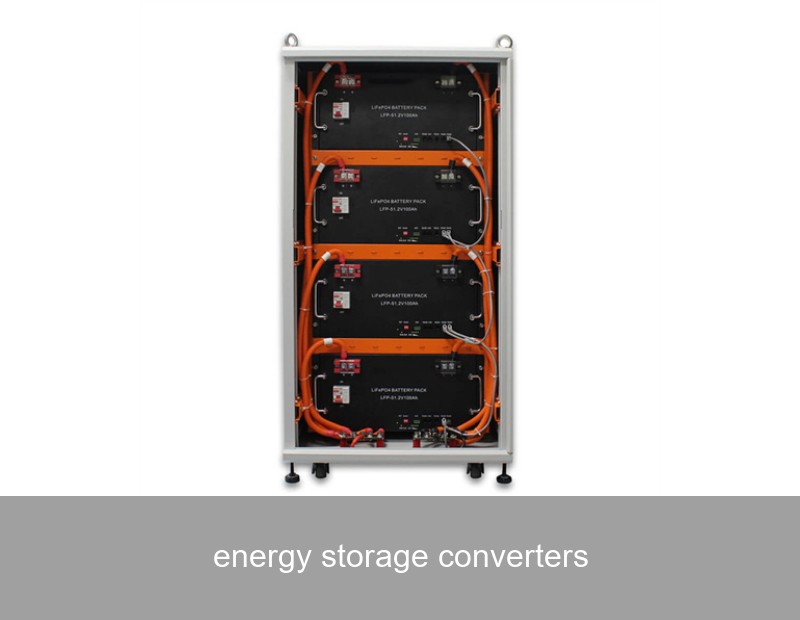
Have you ever wondered what makes a modern battery energy storage system truly "smart"? While we often focus on the batteries themselves, the real maestro orchestrating efficiency, safety, and grid interaction is a critical component: the energy storage converter. Often called the power conversion system (PCS), this device is the intelligent heart, seamlessly managing the flow of electricity between your batteries, your premises, and the wider grid. For businesses and homeowners navigating the energy transition, understanding this key technology is the first step towards unlocking true energy independence and resilience.
Table of Contents
- What is an Energy Storage Converter?
- The Phenomenon: From Simple Backup to Grid Partner
- Why the Converter Matters: Data-Driven Performance
- Case in Point: A California Winery's Success Story
- The Highjoule Approach: Intelligent Conversion for Demanding Applications
- Choosing the Right Converter: A Quick Guide
- The Future Horizon: Converters as Grid Citizens
What is an Energy Storage Converter?
In essence, an energy storage converter is a sophisticated bi-directional inverter. Think of it as a highly intelligent, multilingual translator for electricity. Its primary functions are:
- DC to AC Conversion (Inverting): It converts the direct current (DC) electricity stored in your battery bank into the alternating current (AC) used by your home appliances, factory machinery, or the commercial grid.
- AC to DC Conversion (Rectifying): It can also convert AC power from the grid or your solar panels into DC power to charge the batteries efficiently.
- System Brain: Beyond simple conversion, modern converters like those in Highjoule's systems integrate advanced energy management. They decide when to charge, when to discharge, at what rate, and how to respond to grid signals or local load demands in milliseconds.

Image Source: Unsplash (Representative image of power electronics)
The Phenomenon: From Simple Backup to Grid Partner
A decade ago, energy storage was largely about backup power. The converter's job was straightforward: kick in during a blackout. Today, the landscape has transformed dramatically. With volatile energy prices and ambitious renewable targets, storage systems are now revenue-generating assets and essential grid stabilizers. This shift places immense new demands on the converter. It's no longer just a switch; it must be a grid-forming device, capable of creating a stable voltage and frequency "island" for microgrids, and a grid-supporting device, injecting power with precision to smooth out fluctuations from solar and wind farms.
Why the Converter Matters: Data-Driven Performance
The choice of converter directly impacts your system's bottom line and reliability. Let's break down the key metrics:
| Converter Metric | Typical Range | Impact on Your System |
|---|---|---|
| Round-Trip Efficiency | 94% - 98% | For every 100 kWh you put in, a 96% efficient converter delivers 96 kWh out. A 2% difference can mean thousands in lost revenue annually for C&I projects. |
| Response Time | <100 milliseconds to full power | Critical for frequency regulation services. Faster response means better grid compensation and higher asset value. |
| Power Density | Varies by design | Higher density means a smaller footprint, saving valuable commercial or industrial space. |
| Grid Code Compliance | UL, IEC, VDE, etc. | Essential for safe interconnection and eligibility for incentive programs in markets like the U.S. or Europe. |
As you can see, the converter is where engineering excellence translates directly into financial and operational performance.
Case in Point: A California Winery's Success Story
Let's make this tangible. A premium winery in Napa Valley, California, faced two major challenges: crippling peak demand charges from their utility and an unreliable grid that risked spoiling sensitive fermentation processes. They installed a 500 kW / 1 MWh battery energy storage system. The heart of this system was a high-performance, grid-interactive energy storage converter.
The converter was programmed for intelligent peak shaving. It would discharge the battery during the winery's short periods of highest electricity use (e.g., during bottling operations), avoiding massive demand charges. More importantly, its sub-100ms response time meant it could provide seamless backup power during grid outages, switching to island mode without disrupting a single fermentation tank. The result? Annual energy cost savings of over $72,000 and complete protection for their core production. The converter's ability to precisely follow load curves and form a stable microgrid was the unsung hero of this success.

Image Source: Unsplash (Representative image of agri-solar application)
The Highjoule Approach: Intelligent Conversion for Demanding Applications
At Highjoule, we've been designing and integrating advanced energy storage converters since our founding in 2005. We understand that a one-size-fits-all approach doesn't work for the complex needs of commercial, industrial, and microgrid applications. Our HPC-Series Power Conversion Systems are engineered from the ground up for durability, intelligence, and seamless integration.
What sets our technology apart is its native Grid-Following and Grid-Forming capability. This means our systems don't just passively connect to the grid; they can actively support it by providing essential inertia and voltage stability, a feature becoming crucial as thermal power plants retire. For a factory manager in Germany or a hospital administrator in Texas, this translates to a system that not only saves money but also enhances the local grid's resilience.
Furthermore, our converters are the core of the Highjoule Energy Operating System (EOS). This software layer enables sophisticated strategies like predictive peak shaving based on weather and usage forecasts, automated participation in utility demand-response programs, and elegant management of hybrid systems combining solar, wind, and multiple storage units. We provide a complete, intelligent solution, not just hardware.
Choosing the Right Converter: A Quick Guide
When evaluating energy storage converters for your project, ask these key questions:
- Efficiency at Partial Load: Systems don't always run at full power. How efficient is the converter at 30% or 50% load? Highjoule's designs prioritize high efficiency across the entire operating range.
- Thermal Management: How is heat dissipated? Liquid-cooled converters often offer higher reliability and longevity in demanding, 24/7 industrial environments compared to air-cooled units.
- Software and Control API: Can the converter's operation be easily integrated into your building management system or SCADA? Open, secure APIs are vital for future-proofing.
- Service and Support: Does the provider offer global technical support and firmware updates? The converter's intelligence is software-driven, and ongoing support is critical.
The Future Horizon: Converters as Grid Citizens
The role of the energy storage converter is evolving from a component to a grid citizen. With the rise of virtual power plants (VPPs), thousands of distributed storage systems will be aggregated. Their converters will need to communicate and respond to grid signals in real-time, providing services like frequency regulation and voltage support at a massive scale. The intelligence embedded in the converter will be the key enabler. This isn't just theory; it's happening now in pilot programs worldwide.
So, as you consider an energy storage investment, look beyond the battery's kilowatt-hour rating. Ask about the brain of the operation. Is your system's heart intelligent enough to meet today's challenges and adapt to tomorrow's opportunities?
What specific energy challenge—be it demand charges, resilience, or renewable integration—could a smarter, more capable energy storage converter solve for your operation?
 Inquiry
 Online Chat